 QIDAMT
QIDAMT | GALVANIZED TUBE SERIES
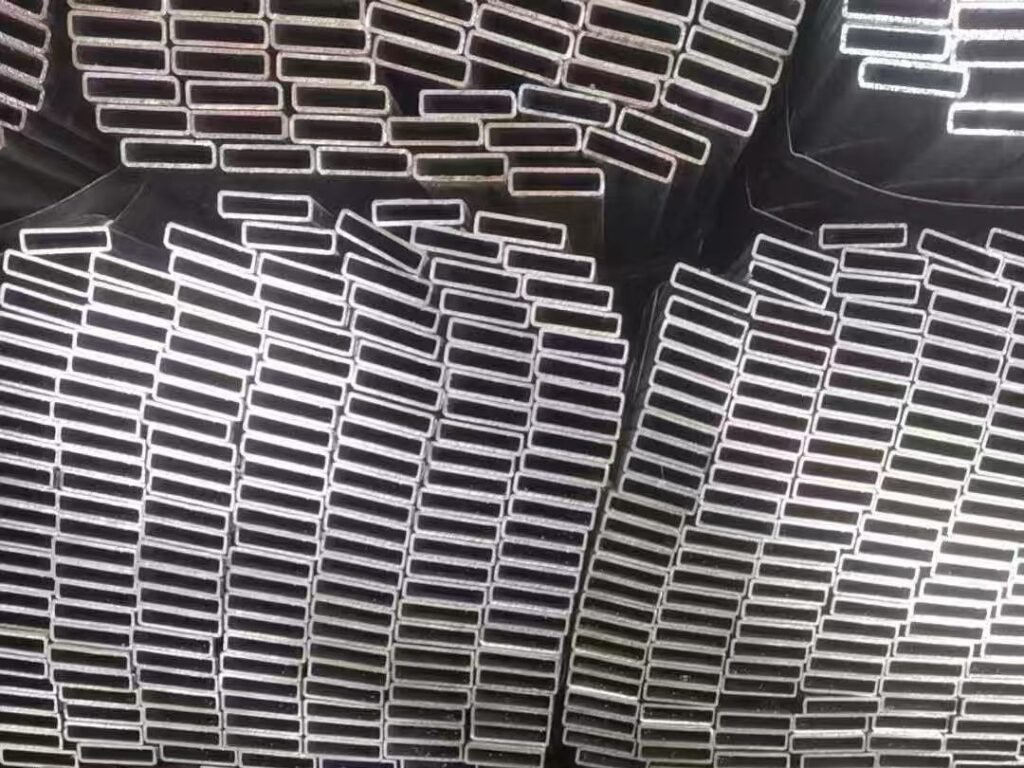
Galvanized Flat Rectangular Steel Tube
A broad fixing face. A compact section depth. Zinc protection for practical metal fabrication.
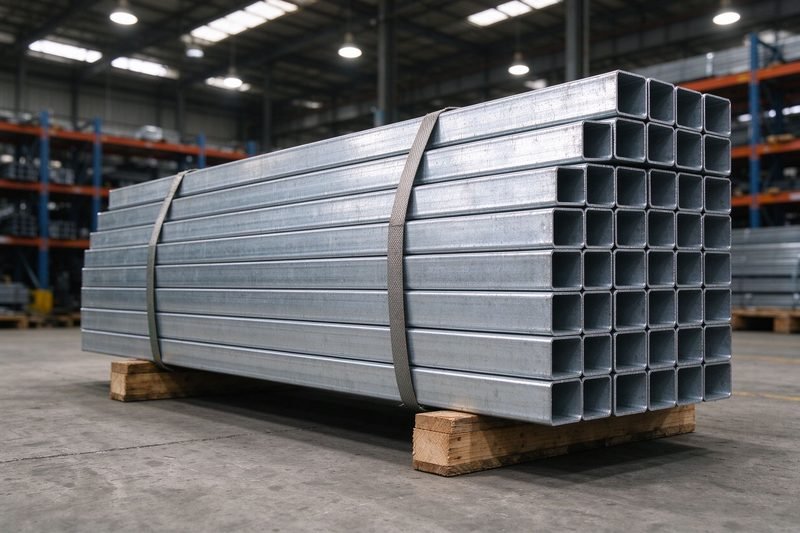
QIDAMT galvanized flat rectangular steel tube combines a hollow carbon steel section with a zinc-coated surface. Its shallow rectangular profile is suited to furniture components, display frames, partitions and fabricated metal assemblies where space, appearance and assembly dimensions matter.
Product Advantages at a Glance
Compact Flat Profile
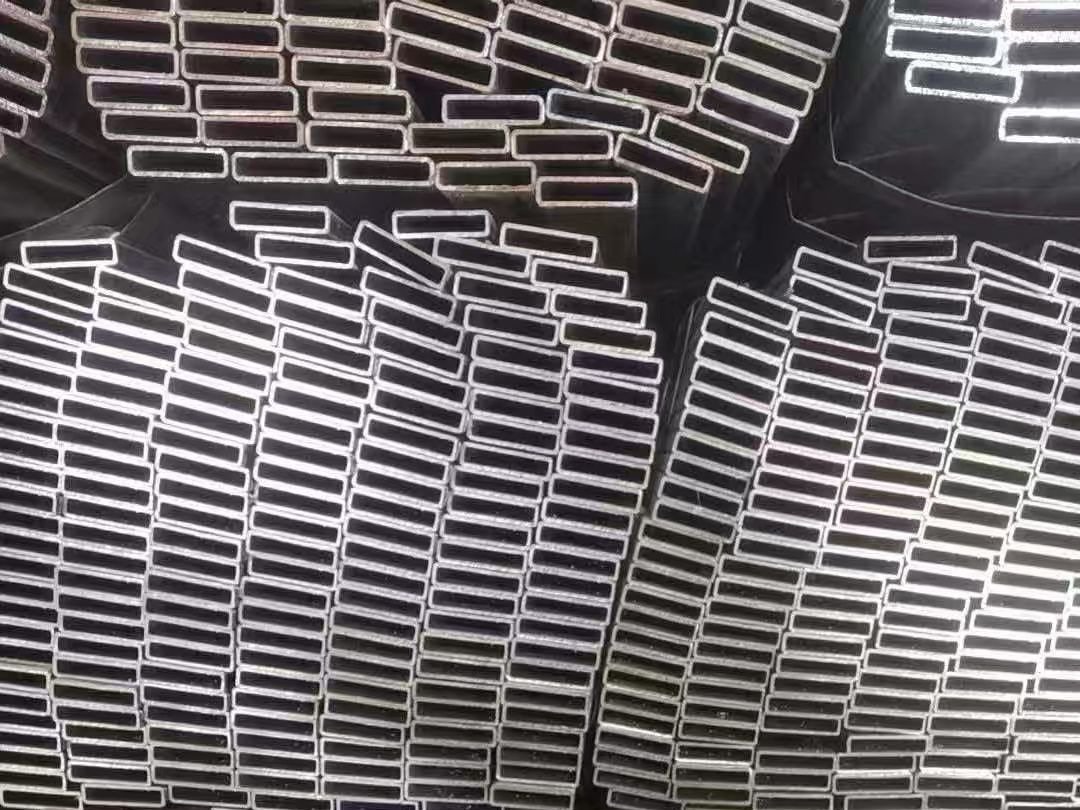
The unequal sides provide a broad attachment face while keeping the section depth small. This helps designers fit panels, furniture frames and infill components within a limited assembly space.
Zinc-Coated Surface
Zinc provides corrosion protection to the steel surface. Coating route, coverage and thickness can be specified to match the intended service environment and finishing requirements.
Efficient Hollow Geometry
The hollow centre reduces material compared with a solid bar of the same outside dimensions. Flat faces also make alignment, joining and mounting easier to plan during fabrication.
Galvanized Tube Range
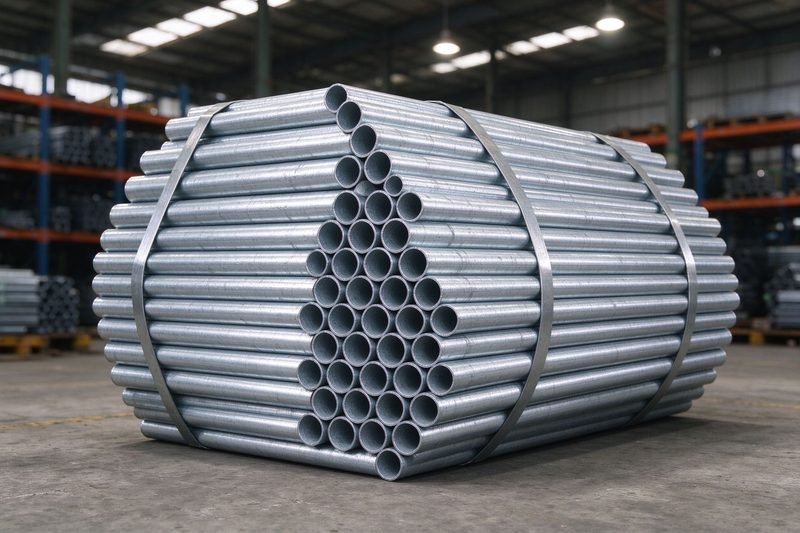
QIDAMT supplies flat rectangular tube for compact fabricated assemblies alongside pre-galvanized square and rectangular steel tube and hot-dip galvanized round steel tube. The range provides different section shapes for panel frames, furniture components, partitions and general metalwork.
Shandong Qida Metal Technology Co., Ltd. is based in Liaocheng, Shandong, China. Product selection covers section dimensions, steel grade, zinc coating and delivery requirements, with each combination defined in the agreed order specification.
Technical Product Parameters
| Parameter | Description |
|---|---|
| Product name | Galvanized flat rectangular steel tube / flat GI tube / rectangular hollow section (RHS) |
| Base material | Carbon steel; grade and mechanical properties according to the agreed material specification |
| Section shape | Closed hollow rectangular section with unequal outside sides and formed corners |
| Dimension notation | B × H × t × L: outside broad side × outside shallow side × nominal wall thickness × length |
| Flat profile size references | 40 × 10, 60 × 10 and 60 × 20 mm; larger outside side listed first |
| Wall thickness | Specify nominal steel thickness in mm and the applicable tolerance; published market examples appear in the size table below |
| Length | 5 m and 6 m occur in the referenced market catalogue; QIDAMT order length and cutting tolerance are agreed individually |
| Galvanized finish | Define pre-galvanized or galvanized after fabrication, coating specification, interior coverage and treatment of the weld area and cut ends |
| Coating measurement | Coating mass in g/m² or coating thickness in µm, using the specified test method and acceptance criteria |
| End condition | Open-ended tube; cutting, deburring and end protection to the agreed order specification |
| Dimensional controls | Outside dimensions, thickness, length, straightness, twist, corner geometry and end squareness |
| Delivery identification | Bundle size, piece count, material identification, packing and documentation defined in the order |
Size combinations, grade, coating, tolerances, documentation and delivery availability are subject to the confirmed QIDAMT order specification.
Flat Rectangular Section Details
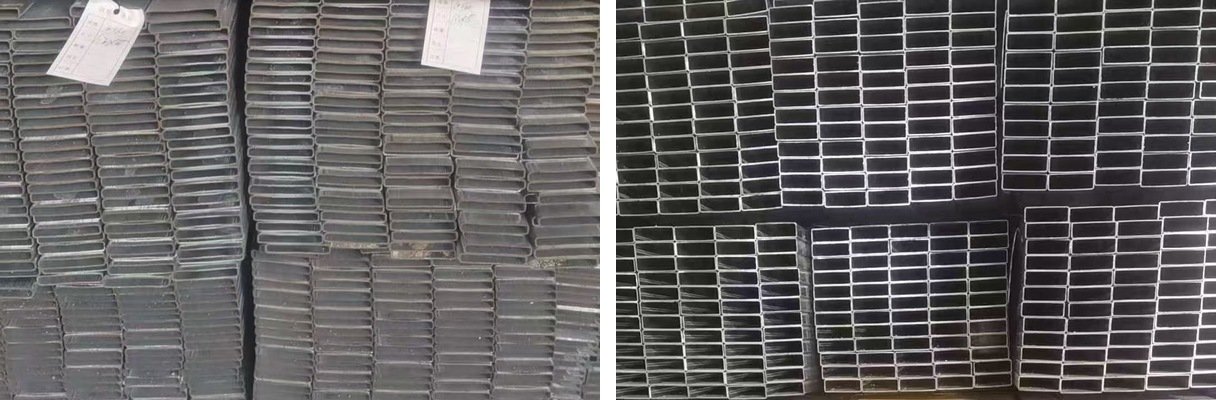
The wide face provides a flat interface for panels and fittings. The narrow side keeps the assembly depth compact, while the hollow centre reduces mass compared with a solid bar of the same outside dimensions.
Common Galvanized Rectangular Tube Size Chart
The following selection summarizes rectangular sizes listed in a published galvanized hollow-section catalogue. It helps compare commonly catalogued proportions and wall thicknesses; it is an industry reference rather than a QIDAMT stock list. All dimensions are outside dimensions in millimetres.
| Outside size B × H (mm) | Catalogued wall thickness t (mm) |
|---|---|
| 30 × 15 | 1.1 / 1.3 |
| 30 × 20 | 1.1 / 1.3 / 1.8 |
| 40 × 20 | 1.1 / 1.3 / 1.8 |
| 40 × 30 | 1.1 / 1.3 / 1.8 |
| 50 × 20 | 1.1 / 1.3 |
| 50 × 30 | 1.1 / 1.3 / 1.8 |
| 50 × 40 | 1.3 / 1.8 |
| 60 × 20 | 1.1 / 1.3 |
| 60 × 30 | 1.3 / 1.8 |
| 60 × 40 | 1.3 / 1.8 |
| 80 × 20 | 1.1 / 1.3 |
| 80 × 30 | 1.3 / 1.8 |
| 80 × 40 | 1.3 / 1.8 |
| 100 × 40 | 1.3 / 1.8 |
| 120 × 40 | 1.3 / 1.8 |
| 120 × 60 | 1.8 |
Reference: Georgantas, Galvanized Hollow Sections, checked 29 October 2026. That catalogue lists 5 m lengths for its 1.1 / 1.3 mm series and 6 m for its 1.8 mm series. Its grades, tolerances and packing arrangements are not QIDAMT specifications.
How to Read Dimensions and Estimate Weight
Example: 60 × 20 × 1.5 × 6000 mm describes a 60 mm broad outside face, a 20 mm outside side, nominal 1.5 mm steel wall thickness and 6000 mm piece length. The inner opening is smaller than the outside size, and the corners have a formed radius.
For a preliminary mass estimate, a sharp-corner rectangular steel tube model gives kg/m ≈ 0.0157 × t × (B + H − 2t), with B, H and t in mm and steel density 7850 kg/m³. The example above is approximately 1.81 kg/m, or 10.88 kg per 6 m piece. This calculation excludes zinc, actual corner radii, weld geometry and manufacturing tolerances; use the approved section data or measured shipment weight for final calculations.
Coating Selection and Surface Performance
Pre-galvanized tube is formed from zinc-coated strip. The weld area and exposed cut ends need their own agreed protection details. Galvanizing after fabrication applies zinc to an already fabricated item; coating access, internal surfaces and drainage requirements depend on the component geometry. These routes should be specified separately rather than inferred from surface brightness.
Zinc protection and the shallow section geometry serve different purposes: the coating addresses corrosion, while grade, dimensions, wall thickness and orientation determine the section’s structural behaviour. For exterior assemblies, select the coating system for the exposure conditions. Welding and cutting require suitable procedures and restoration of damaged coating where specified.
Application Guide
| Application | Useful product characteristic | Design consideration |
|---|---|---|
| Furniture and display frames | Compact depth and flat attachment surfaces | Connection design, appearance and dimensional fit |
| Partitions and panel frames | Broad fixing face for panel interfaces | Fastener position, panel spacing and deflection |
| Gate and fence infill | Regular rectangular appearance and zinc protection | Exposure, drainage and protection after fabrication |
| General fabricated assemblies | Hollow section with unequal sides | Bending orientation, wall thickness and joint access |
Load-bearing and safety-critical assemblies require approved engineering design and the appropriate certified material. This page describes fabrication tube and does not designate it as pressure pipe.
Quality Inspection and Packing Details
A complete product specification covers more than the outside size. The following inspection points help define consistent acceptance between the drawing, the material records and the delivered tube.
- Dimensions: verify both outside sides, steel wall thickness and piece length using the agreed measurement locations and tolerances.
- Shape: inspect straightness, twist, corner profile, end squareness and any processing features that affect assembly.
- Surface and weld area: evaluate coating condition, handling marks, weld-area finish and cut-edge treatment against the specified acceptance criteria.
- Identification: match section size, piece count, bundle marks and agreed material or inspection records.
- Packing: define bundle weight, size separation, strapping, handling protection and label information for the transport method.
Keep galvanized tube dry and ventilated during storage. Support bundles off the ground, prevent trapped water between close surfaces and inspect wet deliveries promptly. Good handling protects both the visible finish and the condition of the material before fabrication.
Product Questions
What is the difference between flat rectangular tube and flat bar?
Flat rectangular tube is hollow; flat bar is solid. Compare outside dimensions, wall thickness, mass and the intended connection rather than substituting one for the other.
Does a larger zinc coating value mean stronger tube?
No. Zinc coating specifications describe surface protection. Steel strength depends on the material grade, section geometry and applicable test requirements.
Are all rectangular tube sizes covered by the same thickness range?
No. Size and thickness combinations depend on the production route and product specification. The chart gives specific published combinations rather than implying that every thickness is available for every outside size.
Which information determines whether a section fits my assembly?
Outside dimensions, wall thickness, corner geometry, tolerances, piece length, hole positions and joint design all affect fit. Where the shallow side is particularly small, check the internal clearance and fastener arrangement on the drawing.