 پیشرفت
PPGI Coil Ordering: Coating System, Colour and Substrate Requirements
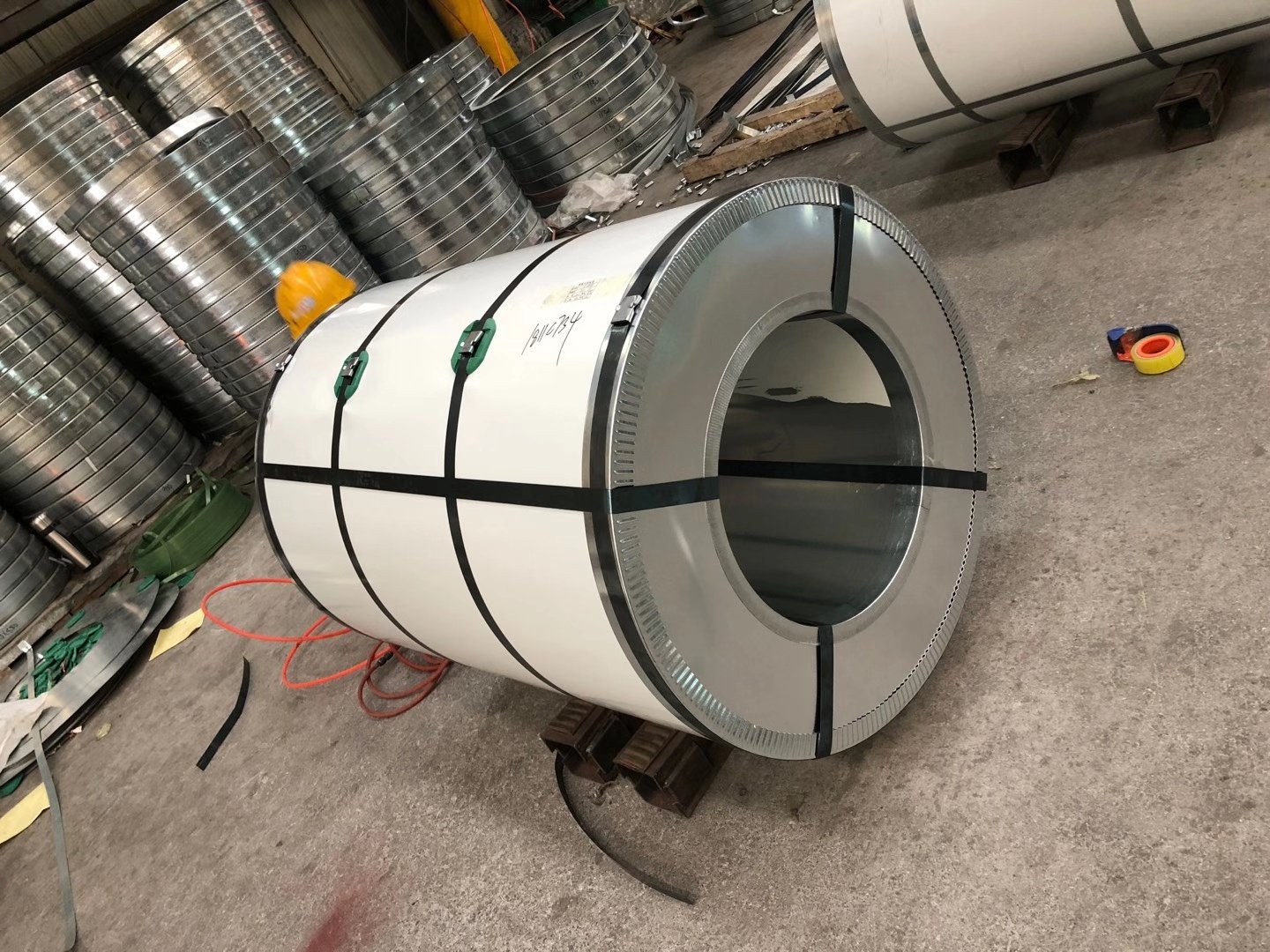
PPGI coil ordering can become confusing when quotations describe a product only by colour and thickness. Two coils with a similar appearance may have different substrates, metallic coatings, paint systems or intended uses. Those differences matter during forming, installation and service. A complete RFQ should explain the application and define each layer of the required product. This guide provides a practical sequence for buyers preparing an order, reviewing samples and comparing offers for prepainted galvanized steel coil.
Describe where and how the product will be used
Begin with the finished application: سقف سازی, پانل های دیواری, equipment housings or another component. Explain whether the painted surface will be exposed outdoors, sheltered, used indoors or subjected to regular cleaning. Include the location and any known industrial, coastal or other demanding exposure. A supplier needs these details to propose a relevant coating option; a colour reference alone cannot describe the required performance.
Identify the subsequent processing as well. Roll forming, bending, punching and other operations can influence the requirements for the substrate and coating system. Where the customer has an existing approved specification, provide it with the RFQ. If the material is replacing a previous product, state which characteristics must remain compatible rather than assuming that a visually similar coil will behave in the same way.
Separate the substrate from the painted finish
Specify the steel grade and required product standard before listing the paint colour. State the metallic coating type and designation separately. PPGI normally refers to prepainted galvanized steel, but purchasing documents should identify the actual substrate instead of relying on an abbreviation. If an alternative coated substrate is proposed, review and approve the change as a technical difference.
Clarify what the quoted thickness represents. Ask whether it refers to the steel substrate or a total coated measurement, and identify the agreed method and tolerance. This is particularly important when comparing offers from different suppliers. The same nominal number can be misleading if the quotations use different definitions. Keep the accepted definition in the purchase order and receiving instructions.
Define the coating system and both faces
Ask the supplier to identify the primer, topcoat and reverse-side coating included in the offer. Specify the required paint system and thickness requirements where the application calls for them. Do not assume that the back face has the same coating as the visible face. The reverse side may also need to satisfy a functional or appearance requirement, especially where the finished panel has an exposed underside.
Producer guidance describes prepainted steel as a layered product in which pretreatment, primer and paint contribute different functions. For procurement, the useful step is to make the required system explicit. Ask what tests, documentation and limitations apply to the proposed product. Keep a marketing description such as premium coating separate from the measurable requirements that will govern acceptance.
Approve colour using an agreed reference
Provide the colour code where one is specified, but also agree how the supplied colour will be assessed. A screen image is affected by display settings and lighting, so it should not be the sole acceptance reference for a critical architectural colour. Ask whether a physical sample, approved panel or another controlled reference will be used. Record the reference and the person authorized to approve it.
Include gloss, texture and the appearance of both faces where relevant. Colour matching should be considered alongside batch planning, especially when panels from different deliveries will be installed beside one another. If continuity is important, explain the project phasing before the order is split. Ask how identification will help the fabricator keep material groups organized during production and installation.
Match the coil to the customer's equipment
State the coil width, required quantity, maximum coil weight, inside diameter and any outside diameter limit. These details affect handling and feeding arrangements. Confirm whether the quantity is ordered by net weight, another weight basis or a defined number of coils. Ask how permissible variation will be handled so that a delivery fits the customer’s capacity and production plan.
Specify any requirement for protective film and confirm its suitability for the planned operations. Film can introduce its own storage and removal instructions, which should be provided with the order. Identify restrictions on coil joints, edge condition or marking where they affect the line. The supplier should confirm these items rather than leaving production teams to discover a mismatch when the first coil is loaded.
Agree inspection and documentation
List the documents required for substrate identification, coating information and any project-specific tests. Agree the inspection stage, method and acceptance criteria before ordering. If samples are required, define whether they are appearance samples, trial material or production samples. These have different purposes and should not be treated as interchangeable evidence.
At receipt, compare labels and package references with the packing list. Inspect for transport damage and record any concern before the coil is processed. Keep the coil identity linked to finished panels where the project needs traceability. When reporting a coating or appearance concern, include lighting conditions, photographs, coil references and the process stage at which it became visible.
Review guarantees and delivery conditions carefully
Any warranty or service-life statement should be supported by written conditions covering the actual product and exposure. Do not infer a guarantee from a generic description of the paint chemistry. Review the scope, exclusions and required maintenance with the relevant supplier or coating producer. Where no project-specific guarantee has been agreed, avoid adding an assumed number of years to the order documents.
Compare delivery terms, بسته بندی, available coil sizes and lead time on the same basis. Note every exception to the requested specification. A quotation with a different substrate, coating weight or paint system should be identified as an alternative rather than presented as an equivalent price for the original requirement. Resolve those differences before commercial approval.
Prepare your PPGI coil enquiry
Send QIDAMT the application, substrate grade, thickness definition, dimensions, metallic coating, paint system, colour reference, gloss, quantity and coil presentation. Add inspection, film, packing and destination requirements for confirmation. Contact sales@qidamt.com or WhatsApp +86 139 6951 8618. For background on coating layers, see Acesco's producer guidance on painted steel. ما zinc coating guide also helps distinguish metallic coating requirements from the painted finish.