 ความคืบหน้า
Stainless Steel Tube Surface Protection: An Ordering and Receiving Checklist
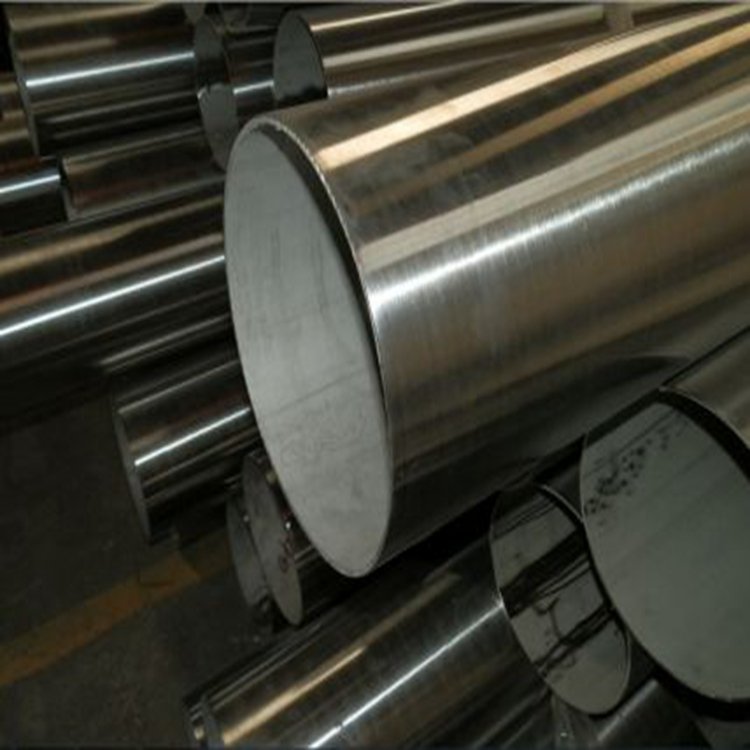
Stainless steel tube surface protection should be specified according to what the tube will do and how it will be handled. A decorative tube, a fabricated frame and a process line do not necessarily need the same finish or inspection. Buyers can avoid many misunderstandings by separating material identity, external appearance, internal condition and packing requirements. This guide explains what to agree before ordering and what to record when the tubes arrive, with special attention to preserving a finish through subsequent fabrication.
Identify the functional and visible surfaces
State the application and explain whether the outside, inside or both surfaces are critical. For exposed architectural work, appearance may be a major acceptance requirement. For a process application, cleanliness, material specification or internal surface requirements may be more important. Do not infer suitability for a regulated or hygienic application from a polished outside surface alone.
Provide the material grade, product standard, dimensions and required delivery condition separately from the finish. If the drawing describes a pressure or process duty, include the applicable code and documentation requirements. A surface-protection discussion should complement the material specification rather than replace it. Obtain approval for any alternative before ordering, even when the proposed tube looks similar to an existing sample.
Describe finish using a clear reference
Use the finish designation required by the application and add a measurable roughness requirement where needed. Identify the direction of polishing and whether consistency between adjoining components is important. A request for mirror finish or brushed finish can still be ambiguous without an agreed reference. Where appearance is critical, establish a sample and define how the production material will be compared with it.
Include viewing conditions if they affect the inspection decision. Distance, lighting and the orientation of a polished surface can change how marks appear. Keep these conditions practical for both the supplier and receiving team. Photographs are useful records but should not become the only basis for acceptance when they were taken under inconsistent lighting or do not show the relevant surface clearly.
Agree protection for the actual handling route
Discuss individual sleeves, separation materials or other protection as quotation requirements for confirmation. The choice should suit the tube dimensions, finish, route and unloading process. Protection that works for short local handling may not suit several transfer points or prolonged storage. Explain the destination and anticipated storage conditions so that the proposed packing can be reviewed realistically.
If protective film is requested, confirm its suitability for the planned fabrication process and exposure. Obtain the relevant storage and removal instructions. Do not assume that film intended for transport can remain during every cutting, heating or finishing operation. Record the instructions with the material and make sure the team responsible for fabrication receives them.
Specify end condition and identification
State the required tube ends, length tolerance and any restrictions relating to burrs or deformation. If end caps are needed, ask the supplier to confirm their type and purpose. A cap can protect an opening during a defined handling stage, but it should not be interpreted as proof of a particular internal cleanliness level. Special cleanliness requirements need their own preparation and acceptance specification.
Ask how individual tubes or bundles will be identified against the packing list. Decide whether labels may contact a visible face and whether adhesive residue is restricted. If tubes are cut into components, maintain the traceability needed by the project. Similar appearance is not a dependable way to distinguish grades or delivery conditions after the original bundle identification has been removed.
Check the package before removing protection
On arrival, photograph the bundle, identification and any displaced protection. Inspect the exposed ends and contact points for signs of impact or movement. Compare quantities and references with the delivery documents. Record observations before unpacking changes the evidence. If only one part of a bundle is affected, identify that location rather than treating the whole delivery as a single untraceable group.
Use the approved lifting and unpacking procedure for the actual load. Avoid creating surface damage by dragging tubes across contaminated supports or one another. Keep unpacked tubes in a suitable clean location while inspection is completed. Protection should not be removed earlier than the agreed process requires, but storage and film instructions should always take precedence over a general habit of leaving everything wrapped.
Preserve the finish during fabrication
Identify the visible face or orientation in the job instructions. Check contact surfaces, fixtures and tools for material that could mark or contaminate the tube. Explain how finished components will be separated after cutting or welding. A receiving inspection is only one stage of protection; later handling can introduce damage that was not present when the material arrived.
Where stainless and carbon steel are processed in the same facility, manage the contamination risk through appropriate workshop practices. Surface care should be included in the fabrication plan rather than addressed only after discoloration appears. Outokumpu’s guidance also notes that cleaning the inside of a pipe can be more difficult than cleaning an open sheet surface, making prevention especially useful.
Report concerns with traceable evidence
Describe the location and type of observation: scratch, dent, residue, staining or another feature. Include a wide view, close photographs and the relevant tube or bundle reference. State when the concern was found and whether the material had already been cut, welded, cleaned or stored elsewhere. These details make the report more useful than a photograph with no connection to the shipment.
Seek suitable guidance before applying an unapproved cleaner or refinishing a critical surface. A treatment can alter both the component and the evidence needed for investigation. If a concession is agreed, record its scope and the quantity covered. Keep accepted samples and inspection records where they will remain available for subsequent orders or project questions.
Prepare a clear tube enquiry
Send QIDAMT the grade, มาตรฐาน, outside dimensions, ความหนาของผนัง, ความยาว, quantity, finish, critical surfaces and inspection requirements. Add protection, end condition, identification and destination details. Contact sales@qidamt.com or WhatsApp +86 139 6951 8618. ดูของเรา seamless and welded pipe guide for related purchasing considerations and Outokumpu's surface-care guidance for contamination prevention background.