 ຄວາມຄືບໜ້າ
3003 Aluminium Coil: ອາລົມ, Grain and HVAC Fin Stock
3003 aluminium coil is the workhorse alloy of the HVAC and ducting industry. It is an Al-Mn alloy with modest strength, excellent formability and better corrosion resistance than 1100 ຫຼື 1060, and it is available in tempers that range from fully soft to stiff enough for fin presses. The coil looks simple: a wound strip of silvery metal. The specification is not. ອາລົມ, grain size, thickness tolerance, coil eye and surface condition all decide whether the material runs through a fin press without tearing or ends up as scrap. This guide explains the alloy, the tempers, the dimensional rules and the selection logic for coil buyers.
ແມ່ນຫຍັງ 3003 Aluminium Coil Is and Where It Is Used
3003 is a manganese-bearing aluminium alloy standardised in ASTM B209 and EN 573-3. The manganese addition raises strength by solid-solution and dispersion hardening without the corrosion penalty of copper-bearing alloys. It is not heat-treatable, so strength comes from strain hardening (the H tempers) or from the annealed O condition. The coil is produced by rolling a cast ingot to the required thickness and slitting to width.
The largest use is heat-exchanger fin stock: the thin strip stamped into fins for air conditioners, refrigerators and automotive radiators. The second largest is duct and general sheet for HVAC equipment, kitchen hoods, dryers and ventilation housings. Other uses include roofing and wall cladding, ການຫຸ້ມຫໍ່, ປ້າຍ, electrical shielding and marine panels where 5052 is not required.
The alloy is often supplied with a brazing clad layer (3003 + 4045 ຫຼື 3003 + 4343) for heat exchangers, or with a conversion coating for corrosion protection. Those variants are separate products; this guide deals with the bare 3003 ມ້ວນ, because most specification errors start there.
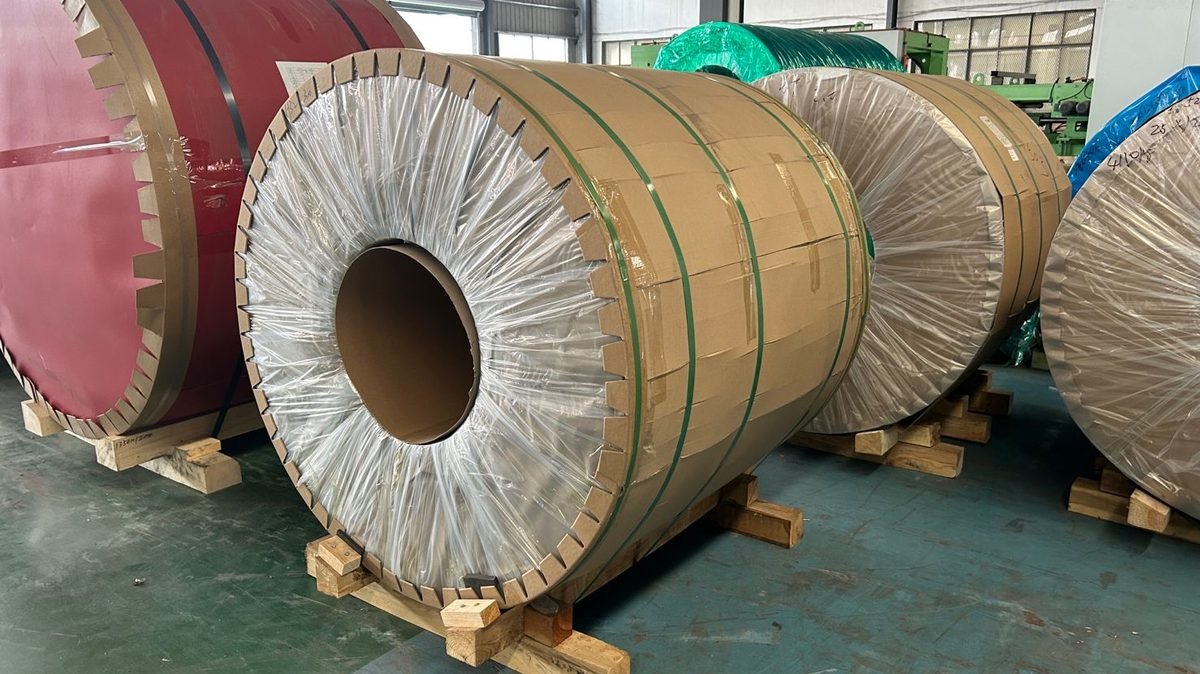
Grade and Chemical Composition
The chemistry of 3003 is narrow enough that most mills hit it without difficulty, but the manganese range is the part that matters. Too little manganese gives a soft coil with low strength; too much can produce coarse constituents and poor surface. Iron and silicon are the main impurities, and they form intermetallic particles that affect grain structure, earing and corrosion behaviour.
| ອົງປະກອບ | 3003 ຊ່ວງ (%) | Typical target (%) | Effect |
|---|---|---|---|
| ມັງການີສ (ມ) | 1.0–1.5 | 1.20 | Solid-solution strengthening; controls grain |
| ຊິລິໂຄນ (ແລະ) | ≤ 0.60 | 0.20 | Impurity; affects constituents and brazing |
| ທາດເຫຼັກ (ເຟ) | ≤ 0.70 | 0.40 | Impurity; coarse particles reduce formability |
| ທອງແດງ (Cu) | 0.05–0.20 | 0.10 | Small addition improves strength |
| ສັງກະສີ (Zn) | ≤ 0.10 | 0.02 | Impurity; keep low for corrosion |
| Titanium (ຂອງ) | ≤ 0.10 | 0.01 | Grain refinement if added |
| Other, each | ≤ 0.05 | — | ທັງໝົດ ≤ 0.15 |
| ອາລູມີນຽມ (ອັນ) | ຍອດເງິນ | ຍອດເງິນ | Matrix |
Limits to ASTM B209 / IN 573-3. Ask for the actual heat analysis, not a generic data sheet.
The copper range deserves attention. ກ 3003 with copper at the low end is slightly softer and easier to braze; at the high end it is stronger but marginally less corrosion-resistant. For fin stock the mill usually targets the middle of the range to balance press performance and sag resistance.
Mechanical Properties by Temper
3003 is supplied in O (ຕົ້ມແລ້ວ), H14 (quarter hard), H24 (half hard), H22 and H18 tempers. The temper designation is not decorative: it determines the yield strength, the elongation and the springback in the fin press. A coil ordered in the wrong temper may either tear at the fin die or fail to hold the fin shape after release.
| ອາລົມ | ຄວາມແຮງ tensile (MPa) | ຄວາມເຂັ້ມແຂງຂອງຜົນຜະລິດ (MPa) | ການຍືດຕົວ (%) | ການນໍາໃຊ້ປົກກະຕິ |
|---|---|---|---|---|
| ອ (ຕົ້ມແລ້ວ) | 110–145 | ≥ 40 | ≥ 25 | ການແຕ້ມເລິກ, duct work, severe forming |
| H14 (quarter hard) | 145–185 | ≥ 125 | ≥ 10 | Fin stock, ຮູບແບບທົ່ວໄປ |
| H24 (half hard) | 170–210 | ≥ 150 | ≥ 6 | Fin stock, stiff panels |
| H22 | 150–195 | ≥ 135 | ≥ 8 | Intermediate forming |
| H18 | ≥ 200 | ≥ 175 | ≥ 4 | Structural panels, low forming |
Typical ranges; exact values depend on thickness and mill practice. Minimums to ASTM B209 apply to the ordered temper.
For fin stock the relevant property is not only strength but sag resistance after brazing. A fin must stay in shape through a brazing cycle at about 600 °ຄ, where the clad layer melts and the core softens. Grain size and temper both influence sag. A coil with coarse grains sags more; a coil that is too hard cracks in the press. That is why fin stock is usually specified with a grain size range and a temper window rather than a single tensile number.
ຂະຫນາດແລະຄວາມທົນທານ
Coil dimensions are defined by thickness, ຄວາມກວ້າງ, ເສັ້ນຜ່າສູນກາງພາຍໃນ (eye), ເສັ້ນຜ່າສູນກາງນອກແລະນ້ໍາຫນັກ. Thickness tolerance is the most important for fin stock, because the fin height and the press clearance are set for a nominal gauge. A strip that is 0.02 mm thick at the start and 0.015 mm at the end changes the fin pitch and can jam the die.
| ພາລາມິເຕີ | Common range | ຄວາມທົນທານປົກກະຕິ | ຄໍາເຫັນ |
|---|---|---|---|
| ຄວາມຫນາ | 0.2–3.0 ມມ | ±0.03 ມມ (t < 0.5); ±0.05 ມມ (t 0.5–1.5) | Measure at the coil ends and middle |
| ກວ້າງ | 100–1500 ມມ | +1.0/0 ມມ | Slit edge quality affects die wear |
| ເສັ້ນຜ່າສູນກາງພາຍໃນ | 150, 405, 505 ມມ | ±5 ມມ | Must match the uncoiler mandrel |
| Outer diameter | ເຖິງ 1800 ມມ | ±50 ມມ | Limited by coiler and shipping frame |
| ນ້ຳໜັກຂອງທໍ່ | 2–8 t | ±5% | Crane and uncoiler capacity |
| Camber | ≤ 3 ມມ/ມມ | Measured on a flat table | Causes strip wander in the press |
| Edge burr | ≤ 0.05 ມມ | Visual and touch | Burrs damage the fin die |
| ດ້ານ | ໂຮງງານສໍາເລັດຮູບ, no scratches | Visual sample | Ink marks and oxides cause press marks |
Indicative commercial tolerances. Fin stock is often held to tighter thickness and camber limits by the converter.
Coil eye is not a trivial detail. ກ 505 mm eye coil is standard for large uncoilers; ກ 150 mm eye is common on smaller slitting lines. If the eye is wrong, the coil cannot be mounted, and re-winding adds cost and risk of edge damage. State the uncoiler mandrel diameter in the purchase order, not just the coil weight.
How 3003 Coil Is Made
Casting and homogenisation
The alloy is cast into rolling ingots, usually by direct chill casting. The ingot is homogenised at about 580–600 °C to dissolve the manganese and equalise the distribution of constituents. Without homogenisation, the manganese remains segregated, the grain structure is uneven, and the finished coil behaves inconsistently in the press. Homogenisation is a mill process that buyers cannot see, which is why the mill’s process control matters more than the certificate alone.
Hot rolling
The homogenised ingot is hot rolled to a transfer gauge, typically 3–6 ມມ. Rolling temperature and pass schedule control the recrystallised grain size and the texture. A hot mill that runs too cold produces a harder, less formable strip with a strong directionality.
Cold rolling and annealing
The hot-rolled strip is cold rolled to final gauge, with intermediate annealing as required. The final anneal determines the O temper grain size; the H tempers are produced by controlled cold reduction after the final anneal. For fin stock, the final grain size is usually specified in the range of 20–60 micrometres, because coarse grains reduce sag resistance and fine grains increase press load.
Slitting and packing
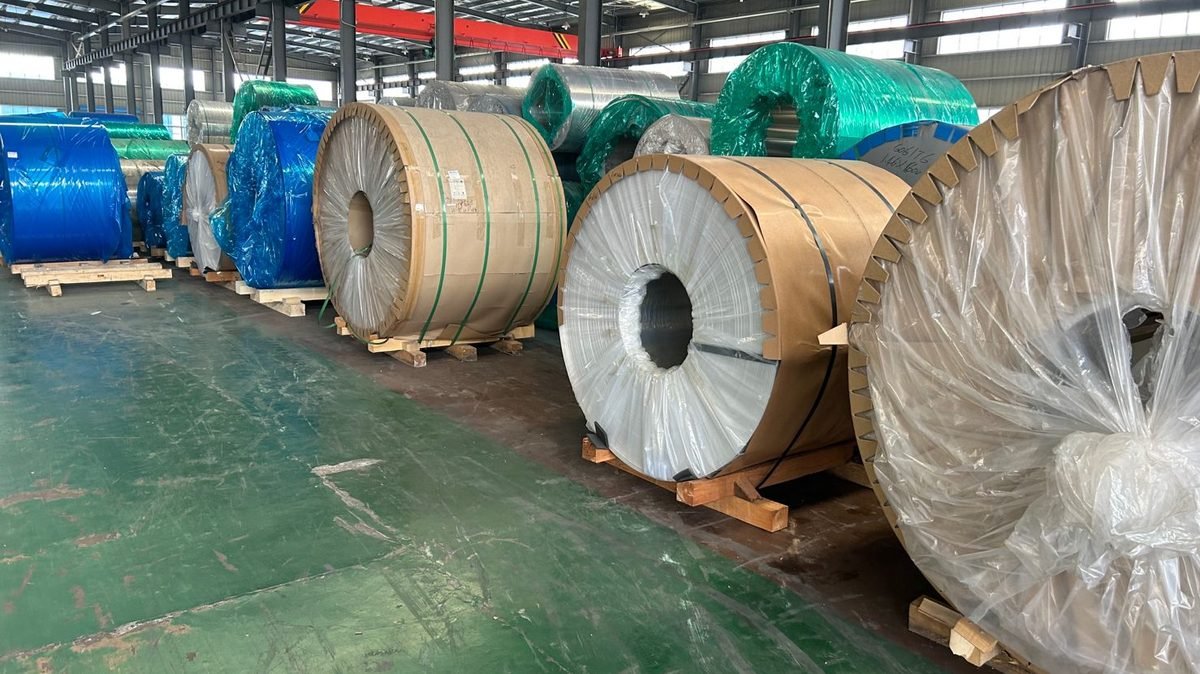
The wide coil is slit to customer width. Slitting introduces edge burr and residual stress; a well-set slitter produces a square edge with minimal burr. The coil is then wound on a mandrel, wrapped with paper or film, and packed vertically or horizontally depending on weight. Eye collapse and edge damage in transit are common complaints, so the packing specification should include a wooden or steel eye protector.
Selection Rules
- Start with the forming operation. Deep drawing and severe bending need O temper; fin pressing needs H14 or H24; flat panels can use H18. Do not order H24 because it is “stronger” if the die was set for H14.
- Specify grain size for fin stock. Temper alone does not control sag. Ask for the grain size range and the brazing simulation result if the coil will be clad and brazed.
- Match thickness to the fin die. ກ 0.02 mm deviation is small in absolute terms but large relative to a 0.10 mm fin strip. Hold the thickness tolerance tight and check it at both ends of the coil.
- State the coil eye and weight. The uncoiler mandrel, crane capacity and coil car all depend on these dimensions. A coil that is too heavy for the line is a delivery problem, not a bargain.
- ເລືອກ 5052 ຫຼື 3004 when strength or marine corrosion matters. 3003 is not a marine alloy. For salt-water exposure, 5052 ຫຼື 5083 is the correct family, ແລະ 3003 should not be substituted on price.
- ຢືນຢັນສະພາບຫນ້າດິນ. Fin stock needs a clean, oil-free surface for brazing. Ink marks, oxidation or residual rolling oil cause voids in the brazed joint.
Processing and Handling Rules
3003 coil is easy to handle compared with harder alloys, but it scratches easily and deforms if lifted incorrectly.
- Lift with a coil hook or a proper coil lifter. A forklift tine under the wrap will crush the edge and create a burr that runs through the entire press run.
- Keep the coil dry. Water between wraps produces a white oxide stain that is difficult to remove and can interfere with brazing. Store under cover, off the floor, with ventilation.
- Do not remove the wrap until the coil is on the uncoiler. The wrap holds the outer wraps and protects the surface. A coil that has been opened and re-wrapped on site often has edge damage.
- Check the strip before the first pass. A burr or a bent edge will damage the fin die. Run a short length through by hand and inspect the edge.
- Control tension on the uncoiler. Too much tension stretches the strip and changes the fin height; too little causes wander and miss-feed.
- Keep the slit edge away from the die. If the strip has a burr on one side, orient it away from the working face where possible, and replace the slitter blade rather than accept a permanent burr.
ຄວາມເຂົ້າໃຈຜິດທົ່ວໄປ
“3003 is a marine aluminium”
3003 has good resistance to atmospheric and fresh-water corrosion, but it is not a seawater alloy. Chlorides pit it, especially in crevices and under deposits. Marine service belongs to 5052, 5083 ຫຼື 5086, and the price difference is the reason those alloys exist.
“H14 cannot be bent”
H14 bends, but with less elongation and more springback than O temper. It is routinely roll-formed and press-formed. The limitation is the minimum bend radius and the amount of cold work the part can take, not the ability to bend at all.
“Thicker coil is always better”
Thicker strip raises press load, reduces fin density and adds weight and cost. Fin stock is thin for a reason: heat transfer depends on surface area per unit mass. The correct thickness is the one the thermal and mechanical design calls for, not the thickest the mill can roll.
“Aluminium does not oxidise”
Aluminium oxidises immediately in air; the oxide is thin, stable and protective. That is different from rust. The oxide layer can still be damaged by strong alkalis, chlorides and mercury, and a stained coil surface is a sign of moisture or contamination, not of a defective alloy.
Inspection and Receiving Checks
On receipt, check the coil label against the certificate: ໂລຫະປະສົມ, ອາລົມ, ຕົວເລກຄວາມຮ້ອນ, ຄວາມຫນາ, ຄວາມກວ້າງ, weight and eye. Measure thickness at the start, middle and end of the coil with a micrometer, and check width at three points. Inspect the outer wrap for damage, the eye for collapse, and the strip edge for burr. Look for water stains, ink marks and oxidation. If the coil is clad for brazing, confirm the clad layer thickness and alloy on the certificate, and keep the coil dry and cool until use.
For fin stock, ask for a grain size report and a sample of the actual coil for a trial press run. A coil that meets the certificate but tears in the die is a process compatibility problem, and it is cheaper to find out on a sample than on a full production run.
FAQ
What is the difference between 3003 ແລະ 1100?
1100 is commercially pure aluminium with very low alloy content; it is softer, more conductive and weaker. 3003 adds manganese and a little copper, giving higher strength and better formability at a small cost in conductivity. For fins and duct work, 3003 is the stronger choice.
Which temper should I order for fin stock?
H14 or H24 is typical, depending on fin geometry and press capability. The mill and the fin-press supplier should agree the temper and grain size together, because the die was designed around a specific strip behaviour.
Can 3003 be brazed?
ແມ່ນແລ້ວ. ເປົ່າ 3003 can be brazed with aluminium filler alloys, and clad 3003 with a 4045 ຫຼື 4343 layer is the standard heat-exchanger material. Surface cleanliness and joint design matter more than the alloy choice.
What coil eye diameter should I specify?
Match the uncoiler mandrel: 150 ມມ, 405 ມມ ແລະ 505 mm are common. Give the mandrel diameter and the coil weight in the enquiry, and state whether the coil will be mounted vertically or horizontally.
How should 3003 coil be stored?
Indoors, off the ground, dry, with the wrap intact. Avoid temperature swings that cause condensation, and do not stack coils on their edges without a cradle. Water stains and edge damage are the two most common storage failures.
Is 3003 suitable for roofing?
ແມ່ນແລ້ວ, in non-marine atmospheres, provided the coil is supplied in a suitable temper and the roof detail avoids ponding. For coastal roofing, 5052 is the better choice.
ຕ້ອງການ 3003 aluminium coil for fin stock or duct work?
Send alloy, ອາລົມ, ຄວາມຫນາ, ຄວາມກວ້າງ, coil eye, weight and grain size requirement to sales@qidamt.com. ທີ່ກ່ຽວຂ້ອງ: 1060 aluminium sheet and plate for plain sheet, ຫຼື request a quotation.
QIDAMT supplies aluminium coil and sheet from Shandong, ລວມທັງ 3003, 1060 ແລະ 5052 ຊັ້ນຮຽນ. Send the press or forming process with the enquiry; temper and grain size are process decisions, not catalogue numbers.

