 ຄວາມຄືບໜ້າ
Colour-Coated Aluminium Coil: ໂລຫະປະສົມ, Coating and Forming Guide
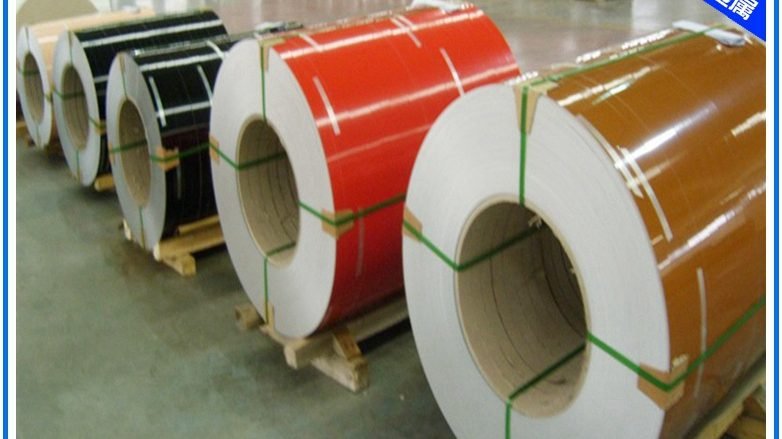
Colour-coated aluminium coil is a factory-finished coil in which a cleaned and conversion-coated aluminium substrate carries a primer and a topcoat of polyester or PVDF. The coil is later roll-formed into roofing, ຝາຜະໜັງ, ceiling strips, gutter and fascia profiles, so the coating has to survive bending, profiling and decades of weather. Buyers who treat it as “painted aluminium” usually discover the difference at the first T-bend test or at the first coastal installation.
What Colour-Coated Aluminium Coil Is
The product is a continuous coil of aluminium sheet, ໂດຍປົກກະຕິ 0.2 mm ເຖິງ 1.5 mm thick and 600 mm ເຖິງ 1,500 mm wide, wound on a core and delivered with an interleaving film or paper. It differs from post-painted sheet in three ways. The substrate is coil-coated on a continuous line, so primer and topcoat are applied before any forming operation. The coating is cured in an oven rather than air-dried, which gives a controlled cross-link density. And the coil is slit to the exact width the roll-forming line needs, so the finished panel has no cut edge exposing bare metal.
A coil-coated line runs in one pass: alkaline degreasing, rinsing, a conversion coating such as chromium-free titanium or zirconium, a primer of 5 ກັບ 8 micrometres, an optional back coat, the topcoat, and a short flash-off followed by a peak metal temperature cure. Because the strip never stops moving, the film build is uniform along the length, which is what allows a coil to be profiled at 30 ກັບ 60 metres per minute without cracking the paint at the bend radii.
Where the Product Is Used
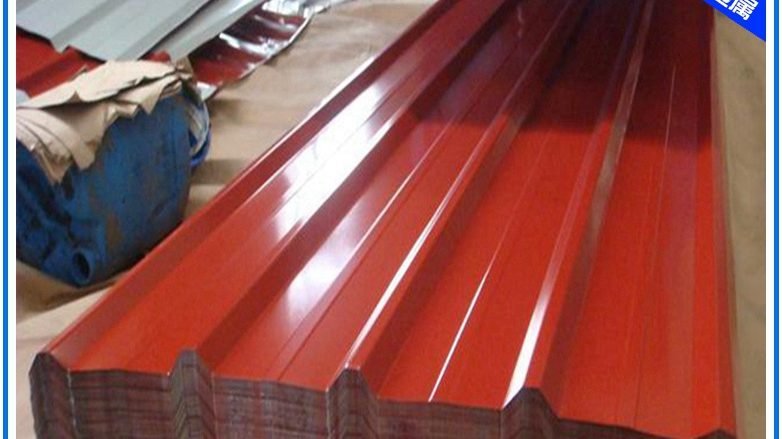
The largest volume goes into metal roofing and wall cladding: trapezoidal, standing-seam, wave and tile-effect profiles for industrial sheds, warehouses, agricultural buildings and residential roofs. A second group covers architectural trim: fascia, barge board, gutter, downpipe, ridge cap, corner and flashing, where the coil is slit narrow and profiled on site or in a workshop. A third group is interior and transport: ceiling strips, acoustic baffle faces, cold-store walls, truck body panels and signage blanks.
The service environment decides the coating system more than the alloy does. A rural roof in a temperate climate is a polyester job. A coastal facade, a chemical plant roof or a project with a 20-year colour warranty is a PVDF job, usually on a 3003 ຫຼື 3105 substrate. Interior ceilings with no UV load can use a thinner polyester system, but the same coil should not be moved outdoors later without checking the warranty.
Alloy Grades and Chemical Composition
Three alloys cover almost all coil-coated architectural work. 3003 is the workhorse: manganese at 1.0 ກັບ 1.5 percent gives moderate strength with excellent formability and good corrosion resistance. 3105 adds a little magnesium for higher strength in long-span profiles. 5052 is the marine and industrial choice, ກັບ 2.0 ກັບ 2.8 percent magnesium and the best fatigue and corrosion performance of the three, at a higher price. 1100 ແລະ 1050 are used for signage and interior trim where strength is irrelevant.
| ໂລຫະປະສົມ | ແລະ | ເຟ | Cu | ມ | ມກ | Cr | Zn | ຂອງ | Other |
|---|---|---|---|---|---|---|---|---|---|
| 3003 | 0.6 ສູງສຸດ | 0.7 ສູງສຸດ | 0.05-0.20 | 1.0-1.5 | — | — | 0.10 ສູງສຸດ | — | 0.15 ສູງສຸດ |
| 3105 | 0.6 ສູງສຸດ | 0.7 ສູງສຸດ | 0.30 ສູງສຸດ | 0.30-0.80 | 0.20-0.80 | 0.20 ສູງສຸດ | 0.40 ສູງສຸດ | 0.10 ສູງສຸດ | 0.15 ສູງສຸດ |
| 5052 | 0.25 ສູງສຸດ | 0.40 ສູງສຸດ | 0.10 ສູງສຸດ | 0.10 ສູງສຸດ | 2.0-2.8 | 0.15-0.35 | 0.10 ສູງສຸດ | — | 0.15 ສູງສຸດ |
| 1060 | 0.25 ສູງສຸດ | 0.35 ສູງສຸດ | 0.05 ສູງສຸດ | 0.03 ສູງສຸດ | 0.03 ສູງສຸດ | — | 0.05 ສູງສຸດ | 0.03 ສູງສຸດ | 0.03 ສູງສຸດ |
Composition limits in mass percent, typical of ASTM B209 / IN 485-2 for the corresponding grades. Single values are maximum unless a range is shown.
Coating Systems and Film Build
Polyester (PE) systems dominate volume work. A typical build is 5 ກັບ 8 micrometres of primer plus 15 ກັບ 20 micrometres of topcoat, giving a total dry film of 20 ກັບ 28 micrometres. PE offers a wide colour range, good flexibility and a 10-year performance expectation in AAMA 2604 terms. It is less resistant to chalking and colour shift under strong UV, and it softens earlier under sustained heat.
PVDF systems, based on 70 percent polyvinylidene fluoride resin, are the premium option. Total dry film is usually 23 ກັບ 30 micrometres, with a primer matched to the fluoropolymer. PVDF holds colour and gloss far better, resists chalking, and meets AAMA 2605 when applied at the specified film build on a qualified substrate. ມັນຄ່າໃຊ້ຈ່າຍປະມານ 30 ກັບ 60 percent more than PE, which is why specifiers reserve it for visible facades, coastal sites and projects with long colour warranties.
| ຊັບສິນ | Polyester (PE) | PVDF (70% resin) |
|---|---|---|
| Total dry film | 20-28 µມ | 23-30 µມ |
| Typical primer | Epoxy or PU, 5-8 µມ | Epoxy, 6-9 µມ |
| Gloss at 60° | 20-60 units | 25-40 units |
| T-bend rating | 2T-3T | 0T-1T |
| Salt spray, ASTM B117 | 500-1,000 h | 1,000-2,000 h |
| Humidity, ASTM D2247 | 1,000 h | 2,000 h |
| Expected colour life | 8-12 ປີ | 20 ປີ + |
| ຄ່າໃຊ້ຈ່າຍທີ່ກ່ຽວຂ້ອງ | 1.0 | 1.3-1.6 |
Indicative values for qualified coil-coated systems; the actual figures must come from the coater’s test report for the specific colour and film build.
Mechanical Properties of the Substrate
The coating is only a few microns thick, so the mechanical behaviour of a profiled panel is decided by the aluminium temper. Coil for roofing is normally supplied in H14, H24 or H34 strain-hardened tempers, or in the annealed O temper where the profile needs deep draws. The table below gives the typical room-temperature range for the three common alloys in the tempers used for cladding.
| ໂລຫະປະສົມ / ອາລົມ | ຄວາມແຮງ tensile | ຄວາມເຂັ້ມແຂງຂອງຜົນຜະລິດ | ການຍືດຕົວ | ການນໍາໃຊ້ປົກກະຕິ |
|---|---|---|---|---|
| 3003 H24 | 150-200 MPa | 130-170 MPa | 6-10% | General roofing, ຝາຜະໜັງ |
| 3105 H24 | 170-220 MPa | 150-190 MPa | 5-9% | Long-span roof, structural deck |
| 5052 H32 | 215-275 MPa | 170-215 MPa | 7-12% | ຝັ່ງທະເລ, ອຸດສາຫະກໍາ, transport |
| 3003 ອ | 95-130 MPa | 35-60 MPa | 25-35% | Deep-drawn trim, complex profiles |
Indicative longitudinal properties at 20 °C. Confirm the temper designation and the mill certificate before releasing a structural profile.
Coil Dimensions and Tolerances
Coil dimensions matter more than they look. The inner diameter must fit the uncoiler mandrel, the outer diameter must fit the cradle, and the weight must stay inside the crane or forklift limit. Width is normally slit to the developed width of the profile, with a small allowance for edge trim. Thickness tolerance is governed by the substrate standard, while width tolerance is governed by the slitting line.
| ພາລາມິເຕີ | ຂອບເຂດປົກກະຕິ | ຄວາມທົນທານ | Remark |
|---|---|---|---|
| ຄວາມຫນາ | 0.20-1.50 ມມ | ±0.02 to ±0.05 mm | Per ASTM B209 / IN 485-2 |
| ກວ້າງ | 600-1,500 ມມ | ±1.0 mm | ແຂບ, burr height ≤ 0.05 ມມ |
| Inner diameter | 150 / 405 / 508 ມມ | ±2 mm | Mandrel fit |
| Outer diameter | 1,000-1,500 ມມ | ±20 mm | Cradle and crane limit |
| ນ້ຳໜັກຂອງທໍ່ | 1,000-3,000 ກິໂລ | ±5% | ສູງສຸດ 3 t for standard packing |
| Camber | ≤ 1 ມມຕໍ່ແມັດ | — | Measured on a flat table |
| ຄວາມຍາວ | Continuous | — | Weld joint flagged on request |
Values are commercial practice for architectural coil; exact limits follow the purchase order and the coater’s capability sheet.
How the Coil Is Manufactured
Step 1: Substrate preparation
The aluminium coil is first degreased in an alkaline bath at 50 ກັບ 60 °C, rinsed in two stages, and conversion coated. Modern lines use a chromium-free titanium or zirconium treatment at a coating weight of 20 ກັບ 40 milligrams per square metre. The conversion layer is not decorative: it bonds the primer to the aluminium and slows filiform corrosion at cut edges. Skipping or thinning it is the most common hidden cause of delamination in service.
Step 2: Primer and topcoat application
Roll coaters apply the primer and the topcoat in separate heads, with flash-off ovens between them. Wet film thickness is controlled by roll speed and gap, and dry film is checked by eddy-current or weight-per-area methods at the start and end of each coil. Colour is matched against a master panel under D65 light, and the batch is held until the cure is confirmed.
Step 3: Curing and quality control
Peak metal temperature for PE is typically 216 ກັບ 232 °C and for PVDF 240 ກັບ 254 °C, held for the time needed to reach full cross-link. Under-cure shows up as poor MEK double rubs and low T-bend; over-cure shows as reduced flexibility and cracking at tight bends. The line tests T-bend, adhesion after cross-hatch, gloss, colour and film build on every shift, and a full AAMA 2604 ຫຼື 2605 panel set is run for new colours or new substrate lots.
Coating Tests That Predict Field Performance
A coil-coated panel fails in service for four reasons: the coating did not cure, the conversion layer was too thin, the film build was below specification, or the profile was formed on too tight a radius. Each of those has a bench test. MEK double rubs at 25 strokes show under-cure within minutes. Cross-hatch adhesion after a boiling-water dip shows a weak conversion layer. T-bend at 0T, 1T and 2T shows whether the coating survives the fold the profile will actually make. Impact and mandrel tests show the same thing at higher strain rates.
Weathering is tested rather than guessed. QUV-A at 340 nm for 2,000 ກັບ 4,000 hours gives a colour-shift and gloss-loss curve; salt spray at 1,000 hours gives a scribe-creep number; humidity at 2,000 hours gives blister ratings. A coater who can show these curves for the exact colour, alloy and film build is a safer supplier than one who only offers a colour chip. Keep the test panel with the coil batch number so a later dispute can be traced.
| ການທົດສອບ | Method | Typical acceptance |
|---|---|---|
| Cure | MEK double rub, 25 strokes | No coating removal |
| Adhesion | Cross-hatch + boiling water 2 h | 0-1 rating |
| ຮູບແບບ | T-bend, 0T-3T | Agreed rating, no cracking |
| Colour | Spectrophotometer, D65 | ΔE ≤ 1.5 against master |
| Gloss | 60° gloss head | Within ±5 units of master |
| ການກັດກ່ອນ | Salt spray 1,000 h, scribe | Creep ≤ 2 ມມ |
| Humidity | ASTM D2247, 2,000 h | No blistering |
Acceptance values are commercial benchmarks; the contract should quote the coater’s qualified limits for the specific system.
Selection Rules
- Match the coating system to the warranty: PE for 10-year decorative work, PVDF for 20-year facade or coastal work.
- Specify the alloy by span and exposure: 3003 for general profiles, 3105 for long spans, 5052 for marine and industrial atmospheres.
- Set the T-bend requirement before ordering: 2T is normal for roofing, 1T or 0T for sharp architectural folds.
- State the film build in micrometres, not in “ໄມຄຣອນ” ຫຼື “coats”, so the coater cannot substitute a thinner system.
- Ask for the primer type and the conversion coating type; a chromium-free conversion is now standard in Europe and North America.
- For coastal work, add a back coat and specify cut-edge protection for the profile ends.
- Confirm the colour standard under D65 and keep a physical master panel; digital swatches do not control metamerism.
ກອບເປັນຈໍານວນ, Installation and Handling
Roll-forming bends the coating on the outside of the bend and compresses it on the inside. A tight radius concentrates tensile strain in the topcoat, so the T-bend rating and the film build decide whether the panel survives. Keep the forming rolls clean and free of swarf, because a single metal particle embedded in a roll will mark every metre of coil after it.
On site, store coils and sheets under cover, on edge, on a dry surface, with the interleaving film left in place until the panel is fixed. Water trapped between leaves causes white rust on the aluminium edge and blistering of the coating. Cut sheets with a guillotine or a fine-tooth saw; plasma and grinding expose a bare edge that must be treated with a repair coat if the detail is visible.
Fix roofing with the fastener specified for the profile. Over-tightening deforms the pan and cracks the coating at the washer; under-tightening allows fretting and elongation of the hole. Leave the correct thermal movement at fixings on long runs, and never walk on a profile in the pan between ribs.
ຄວາມຜິດພາດທົ່ວໄປ
- Buying on colour alone. Two coils can match visually and differ by 10 micrometres of topcoat, which shows up as chalking in year four.
- Using PE on a coastal facade because the budget was tight. The saving is smaller than the repaint.
- Specifying 1100 for a structural deck. It has no useful yield strength and will oil-can between purlins.
- Accepting a coil without a T-bend value. The first sharp fold will tell you what the coater already knew.
- Cutting with an angle grinder and leaving the burr. The burr rubs through the coating on the adjacent sheet during expansion.
- Storing coils flat on the ground. Edge damage and water ingress follow.
- Mixing coils from two lines in one elevation. Metamerism and gloss difference appear at the joint.
- Assuming a 20-year warranty covers the fixings and the cut edges. Read the exclusion list.
FAQ
Can colour-coated aluminium be welded?
Only with the coating stripped back at least 10 mm each side, and even then the heat damages the surrounding film. Architectural panels are mechanically fixed, not welded. If a welded frame is required, use mill-finish aluminium for the frame and colour-coated sheet as a cover.
How long does the coil last in storage?
PE coil is normally used within six months and PVDF within twelve months of coating. Store below 35 °C, out of direct sun, with the interleaving film intact and no condensation on the wraps. Old coil shows up as poor T-bend and inconsistent gloss.
Is PVDF worth the price for an inland warehouse?
Usually not. A 10-year PE system on 3003 will outlast a shed that is repainted or re-roofed at year twelve. PVDF earns its premium on visible facades, coastal sites and projects with a contractual colour warranty.
What alloy should I use for a 12-metre roof span?
3105 H24 is the usual answer, with a profile depth that meets the load table. 3003 works for shorter spans and lower snow loads. Ask for the profile’s load-span table rather than extrapolating from thickness alone.
Why does the coating crack at the ridge?
Most ridge cracks come from forming the cap on a radius tighter than the T-bend rating, or from fixing through the bend line. Re-form on a larger radius and keep fasteners out of the bend zone.
Can I get a matched gutter and roof from the same coil?
ແມ່ນແລ້ວ, if both profiles are ordered against the same colour batch and the same film build. Ask the coater to reserve one batch and slit it to both developed widths.
For the flat sheet and plate side of the same aluminium family, see the 1060 aluminium sheet and plate range. If you are profiling coil for a roof or facade package, send the developed width, ໂລຫະປະສົມ, ອາລົມ, coating system and colour target with your enquiry.
Send Your Coil-Coated Aluminium Specification
ກວ້າງ, ຄວາມຫນາ, ໂລຫະປະສົມ, ອາລົມ, coating system and colour target are enough for a first quotation.

