 ԱՌԱՋԸՆԹԱՑ
Չժանգոտվող պողպատից հարթ բար: 304 vs 316L for Machined Parts
Չժանգոտվող պողպատից հարթ բար: 304 vs 316L for Machined Parts
Stainless steel flat bar is the rectangular section that machine shops reach for when a part needs to be cut, milled, drilled or turned from solid stock rather than folded from sheet. It arrives annealed, pickled or cold drawn, with square or slightly rounded edges, and it is ordered by thickness × լայնությունը × length rather than by gauge. The grade decision usually comes down to 304 կամ 316լ, and that decision affects far more than a corrosion chart: it changes cutting speed, tool wear, weld procedure, dimensional stability after machining, and the price you pay per kilogram.
This guide compares the two grades as machining stock. It covers chemistry, մեխանիկական հատկություններ, corrosion limits, dimensional tolerances, shop-floor behaviour, and the selection rules that separate a part that lasts from a part that pits in its first month of service.
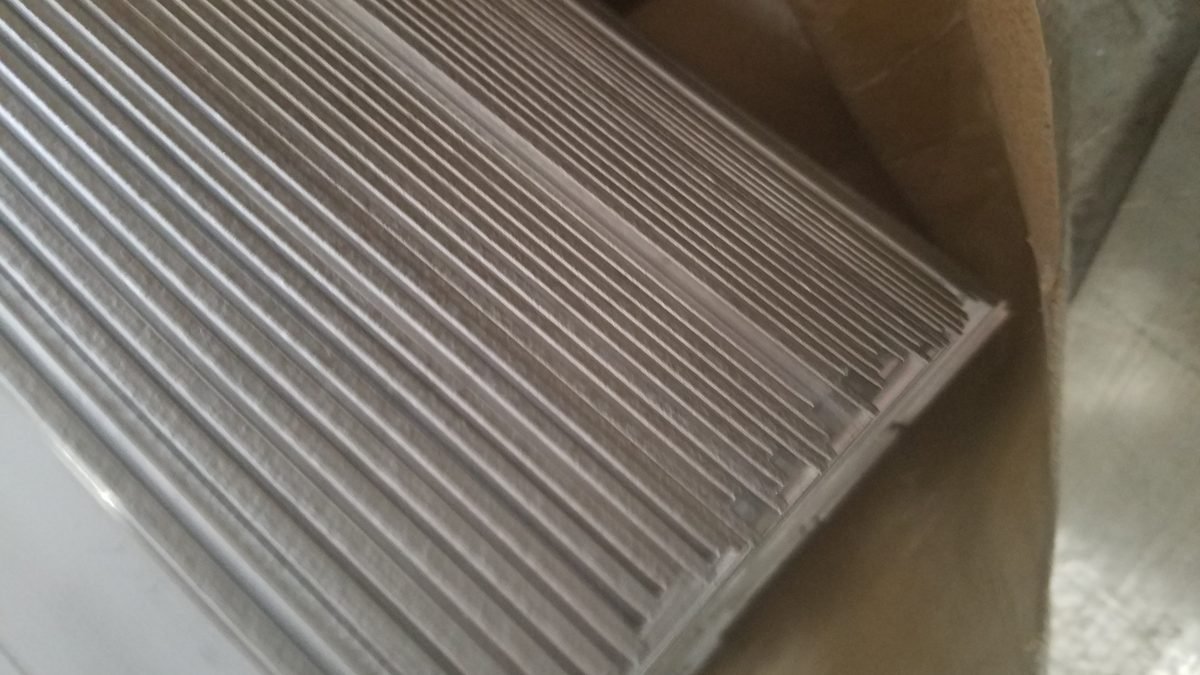
1. What Counts as Flat Bar
Trade language is loose, so it is worth fixing definitions before comparing grades. Flat bar is a solid rectangular section produced by hot rolling a billet or by cold drawing wire rod through shaped rolls, then straightening and cutting to length. Thickness typically runs from 3 մմ դեպի 20 մմ և լայնությունը սկսած 10 մմ դեպի 150 մմ; anything thinner in a coil is strip, and anything wider than about 150 mm with a thickness above 3 mm is usually sold as plate or sheet.
The distinction matters because the production route determines the surface and the internal stress state. Hot rolled flat bar is rolled at temperatures above the recrystallisation range, եփած և թթու դրած, and comes with a matte grey-white surface and relatively low residual stress. Cold drawn flat bar is pulled through dies at room temperature, giving tighter dimensional control, a brighter surface and significantly higher residual stress that must be relieved before precision machining.
Մշակված մասերի համար, flat bar offers three practical advantages over plate: the section is close to the finished part envelope, so less material is removed; the rolled edge is already square enough for most fixtures; and the stock is available in random lengths that suit bar-fed lathes and twin-spindle mill setups. Plate is better when the part is large and thin; flat bar is better when the part is long, narrow and thicker than 6 մմ.
2. Chemistry: Where the Two Grades Separate
Both grades are austenitic chromium-nickel stainless steels. The differences are carbon, nickel and molybdenum. 304 holds carbon at 0.08 % maximum, which is the standard single-stroke composition. 316L is the low-carbon variant of 316, capped at 0.03 %, and it carries 2.0–3.0 % մոլիբդեն. That molybdenum addition is the entire reason 316L exists as a separate purchasing line.
| Տարր (%) | 304 | 316Լ | Why It Matters |
|---|---|---|---|
| Ածխածին | ≤ 0.08 | ≤ 0.03 | Low carbon suppresses chromium carbide at weld seams |
| Chromium | 18.0–20.0 | 16.0–18.0 | Forms the passive oxide film |
| Նիկել | 8.0–10.5 | 10.0–14.0 | Stabilises austenite, improves toughness |
| Մոլիբդեն | — | 2.0–3.0 | Raises pitting resistance in chlorides |
| Մանգան | ≤ 2.00 | ≤ 2.00 | Austenite former; keeps cost down |
| Սիլիկոն | ≤ 0.75 | ≤ 0.75 | Deoxidation in melting |
| Ֆոսֆոր | ≤ 0.045 | ≤ 0.045 | Impurity; too high means brittle hot working |
| Sulphur | ≤ 0.030 | ≤ 0.030 | Impurity; deliberately raised only in free-machining grades |
| Ազոտ | ≤ 0.10 | ≤ 0.10 | Strengthens and stabilises austenite |
Two consequences follow from this table. Առաջին, 316L is not simply “better 304”. It has lower chromium than 304, so in oxidising acids with no chlorides the difference in general corrosion rate is small. Second, the low carbon in 316L is what makes it usable in welded assemblies without a post-weld solution anneal; 304 welded at the same heat input can sensitise at the weld toe and lose corrosion resistance in the heat-affected zone.
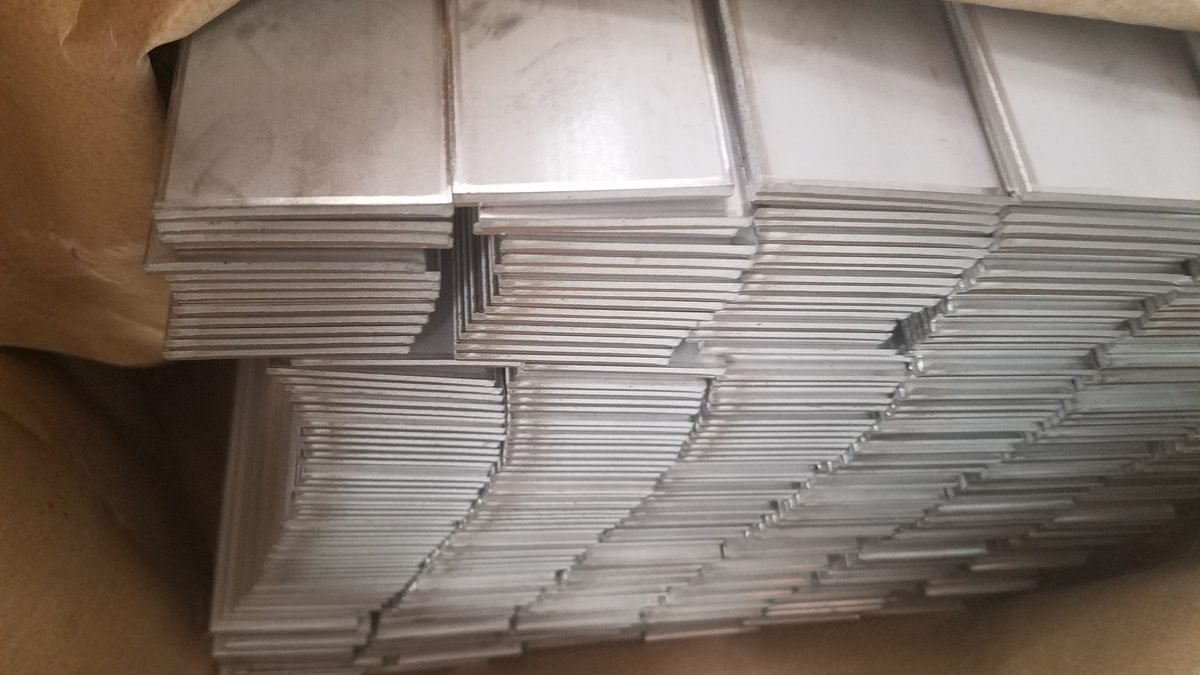
3. Mechanical Properties in the Annealed Condition
Both grades are supplied annealed unless the purchase order says otherwise. The values below are typical minimums for annealed bar to ASTM A479 / IN 10088-3 style specifications; mill certificates will normally show higher actual figures.
| Սեփականություն | 304 | 316Լ |
|---|---|---|
| 0.2 % proof stress | ≥ 205 ՄՊա | ≥ 170 ՄՊա |
| Առաձգական ուժ | ≥ 515 ՄՊա | ≥ 485 ՄՊա |
| Երկարացում, 50 մմ | ≥ 40 % | ≥ 40 % |
| Կարծրություն, առավելագույնը | 92 HRB | 95 HRB |
| Young’s modulus | 193 GPa | 193 GPa |
| Խտություն | 7.93 գ/սմ³ | 7.98 գ/սմ³ |
| Ջերմային հաղորդունակություն, 20 °Գ | 16 W/m·Կ | 15 W/m·Կ |
| Thermal expansion, 0–100 °Գ | 17.3 × 10⁻⁶/Կ | 16.0 × 10⁻⁶/Կ |
The yield strength gap is larger than most buyers expect. 304 is roughly 20 % stronger at proof load. For a machined bracket, a shaft collar or a clamp body, that difference can justify 304 even when corrosion conditions are mild. For a part that will be welded after machining, 316L’s lower strength is usually accepted in exchange for corrosion security at the joint.
Both grades work-harden rapidly. Their true stress-strain curve has no pronounced yield plateau, and the rate of hardening with strain is high compared with carbon steel. That is the single most important fact for machining: the material does not fail cleanly, it hardens where the tool rubs.
4. Կոռոզիա: Pitting Resistance Equivalent Number
The standard shorthand for comparing chloride resistance is the pitting resistance equivalent number, PREN = Cr + 3.3 Մո + 16 Ն. Using typical compositions, 304 scores about 18.1 and 316L about 25.3. A difference of seven points is the difference between “fine outdoors inland” և “fine on a coastal roof”.
In practice this means 304 flat bar is appropriate for indoor architecture, food-contact equipment in dry areas, dairy and brewery piping supports, mild industrial atmospheres, and fresh-water exposure up to roughly 200 mg/L chloride at ambient temperature. It is not appropriate for swimming pool halls, de-icing salt zones within 1 km of the coast, brine handling, or any part that will be periodically cleaned with hypochlorite and left wet.
316L flat bar handles coastal atmospheres, road-salt splash zones, pharmaceutical and food plants using chloride-bearing cleaning agents, marine deck hardware above the waterline, and chemical process equipment handling dilute chlorides at moderate temperature. It is still not a solution for hot concentrated brine, wet chlorine gas, or nitric-chloride mixtures where 904L or duplex grades are required.
A third consideration is crevice corrosion. Both grades are vulnerable under gaskets, lap joints and thread roots where oxygen cannot be replenished. 316L tolerates higher chloride levels in a crevice, but it does not eliminate the mechanism. Design details — sealed joints, ջրահեռացում, avoiding tight overlaps — matter more than the grade choice in those locations.
5. Machining Behaviour on the Shop Floor
Both grades are classified as difficult to machine, but not for the same reasons. Austenitic stainless steels have high work-hardening rates, low thermal conductivity and a strong tendency to built-up edge. Heat stays in the cut instead of leaving with the chip, so tool life is limited by temperature at the edge rather than by abrasion alone.
Recommended practice for 304 հարթ բար: sharp, honed carbide inserts with a positive rake and a light hone; cutting speed around 120–180 m/min for turning with coated carbide, 60–90 m/min for HSS in interrupted cuts; feed per revolution high enough to stay under the work-hardened layer (typically 0.15–0.25 mm/rev); climb milling for profile cuts; full-flood coolant at 8–10 % concentration, directed at the edge rather than the workpiece.
316L behaves almost identically, but the molybdenum addition slightly increases ductility and the low carbon reduces the risk of hard spots at weld repairs. Its thermal conductivity is about 1 W/m·K lower, so heat concentration in deep bores and small-diameter drilling is marginally worse. Peck drilling with through-coolant and a 130–140 ° point angle is the standard workaround.
Neither grade machines like 303. If the part is a high-volume turned component with no welding and mild corrosion duty, free-machining 303 flat bar can cut cycle time by 25–40 %. The trade-off is that sulphur addition drops corrosion resistance and makes the bar non-weldable in practice. Buying 316L and then complaining about chip control is a specification error, not a shop-floor problem.
Residual stress is the hidden variable. Cold drawn flat bar can carry enough stress to bow after a single roughing pass, especially when one face is removed asymmetrically. For parts with a flatness callout under 0.1 mm over 300 մմ, order annealed bar, rough machine, stress-relieve at 400–450 °C for two hours, then finish. Skipping that step produces parts that measure correctly on the machine and fail incoming inspection a day later.
6. Չափերը, Tolerances and Edge Condition
Flat bar is normally ordered to commercial tolerance unless the drawing needs better. The table below reflects common mill capabilities for 304 and 316L rectangular bar in the 3–20 mm thickness range.
| Առանձնահատկություն | Կոմերցիոն | Precision (սառը նկարված) |
|---|---|---|
| Հաստություն | ± 0.30 մմ | ± 0.10 մմ |
| Լայնությունը | ± 0.80 մմ | ± 0.20 մմ |
| Երկարություն | + 20 / − 0 մմ | + 5 / − 0 մմ |
| Ուղիղություն | 2 mm/m | 0.8 mm/m |
| Squareness of edge | 2° | 1° |
| Twist | 3 mm/m | 1.5 mm/m |
| Edge condition | Rolled, փչացած | Ground or peeled |
Edge condition deserves separate attention. A rolled edge carries a small radius and a decarburised skin that is removed during pickling, leaving a surface chemically identical to the faces. A sawn or sheared edge exposes fresh metal with embedded iron from the blade, and that iron becomes a rust nucleus within weeks outdoors. If the part is visible or exposed to weather, specify peeled or machined edges, or plan a passivation step after cutting.
7. Fabrication Notes: Եռակցում, Bending and Finishing
304 welds readily with TIG, MIG or resistance methods. Use 308L filler for TIG and MIG, keep interpass temperature below 150 °Գ, and avoid slow cooling through the 450–850 °C sensitisation band on thick sections. Parts thicker than about 6 mm benefit from a post-weld pickling paste or electrochemical cleaning to restore the passive film at the weld toe.
316L uses 316L filler and tolerates the same procedures with more margin, because its carbon level is already low enough that chromium carbide precipitation is limited. That is why welded 316L assemblies in food and pharmaceutical service are accepted without solution annealing, while the equivalent 304 assembly is not.
Bending flat bar on edge is limited by elongation. Both grades deliver 40 % elongation in the annealed state, but the practical minimum bend radius on edge is roughly 2.5 times the thickness for 304 և 3 times for 316L when bending across the thickness direction. Bending about the weak axis is far more forgiving. Cold drawn bar should be annealed before any tight bend, otherwise the residual stress plus bend strain exceeds the ductility reserve and the outer radius cracks.
Finishing choices are grade-independent. Pickled and passivated is the default for industrial parts. Electropolished surfaces raise corrosion resistance and reduce product adhesion in food service. Glass bead blasting produces a uniform matte that hides machining marks but can embed contamination if the media is not dedicated to stainless. Brushed finishes are cosmetic only, and a coarse brushed direction can trap cleaning residue.
8. Selection Rules That Actually Decide the Grade
Work through these questions in order; the first one that produces a “այո” usually settles the choice.
- Will the part be welded after machining? If yes, and the service environment includes moisture or chlorides, choose 316L. 304 can be used only with a full anneal and pickle afterwards.
- Is there any chloride in the environment, the process fluid or the cleaning chemicals? Coastal air, pool atmosphere, brine, dairy sanitisers and hypochlorite all count. Choose 316L.
- Does the part need maximum yield strength in a small section? 304 gives roughly 20 % more proof stress at the same size, which often allows a smaller section and lower weight.
- Is the part a high-volume turned item with no welding and mild duty? Consider 303 rather than paying for 316L you do not need.
- Is the surface critical for hygiene or product release? 316L with electropolishing is the standard answer in food, beverage and pharmaceutical equipment.
- Is cost the deciding factor in a dry indoor application? 304 flat bar typically costs 15–25 % less per kilogram than 316L, and the corrosion difference is irrelevant in that environment.
9. Common Mistakes in Flat Bar Specification
Buying 316L for a dry indoor part. The molybdenum premium buys nothing in an office or a dry warehouse. The money is better spent on a better edge finish or a passivation step.
Buying 304 for a welded coastal structure. The weld heat-affected zone sensitises, the chloride level is above the pitting threshold, and rust appears at the weld within a season. This is the most common field failure in stainless flat bar fabrication.
Assuming a mill certificate replaces a PMI check. Mixed stock happens. A positive material identification check on the first bar of each heat number costs minutes and prevents a whole batch of wrong-grade parts.
Machining cold drawn bar to a flatness callout without stress relief. The part moves after clamping is released. Rough machine, relieve, ավարտել — or buy annealed bar from the start.
Using a sheared edge outdoors. Iron contamination from the blade seeds rust. Peel, machine or passivate the edge if the part is visible.
Treating 316L as immune to crevice corrosion. Under a tight gasket in a chloride environment it will still pit. Design for drainage and sealed joints.
10. Հաճախակի տրվող հարցեր
Can 304 and 316L be welded to each other? Այո՛. Use 316L filler and treat the joint as 304 for corrosion purposes, because the lower-alloy side governs. In chloride service, this joint becomes the weak point and should be avoided or protected.
Is 316L magnetic? Annealed 316L is essentially non-magnetic, but cold drawing, straightening and machining introduce martensite and the bar can show slight attraction at cut ends. That is normal and not evidence of the wrong grade.
What is the difference between 316 and 316L flat bar? Carbon content: 0.08 % maximum for 316, 0.03 % for 316L. Mechanical strength is slightly higher in 316; weld corrosion resistance is markedly better in 316L. Most buyers standardise on 316L to avoid dual inventory.
Which grade is better for food contact? Both are acceptable under FDA and EU food-contact rules when finished to a hygienic surface. 316L is preferred where chloride sanitisers, brine or marine products are present.
How much does flat bar weight per metre? Weight per metre = thickness (մմ) × լայնությունը (մմ) × density (գ/սմ³) / 1000. Համար 304 ժամը 20 × 100 mm the figure is about 15.9 կգ/մ; for the same size in 316L it is about 16.0 կգ/մ.
Can flat bar be supplied cut to length? Այո՛. Saw-cut to ± 1 mm is standard for machining stock; laser or waterjet cutting is used where the edge must be ready to use without further machining.
11. Sourcing the Right Grade
QIDAMT-ը մատակարարում է 304 and 316L stainless flat bar in annealed, pickled or cold drawn condition, cut to length and edge-finished to your drawing. Standard sections run from 3 × 20 մմ դեպի 20 × 150 մմ, with mill certificates, PMI reports and third-party inspection available on request.
If you are specifying a machined component and are unsure whether the chloride exposure justifies 316L, send the drawing and the service environment. We will quote both grades with the weight, edge finish and lead time shown side by side, so the decision is made on data rather than habit.
Անհրաժեշտություն 304 or 316L flat bar cut to size?
Send your drawing, section and quantity for a quotation with mill certificates included.
Related specifications: 316L չժանգոտվող պողպատից ափսե, 304 2B cold rolled sheet, և 304 2B stainless coil.

