 ԱՌԱՋԸՆԹԱՑ
Galvanized Square Tube: Pre-Galvanized vs Hot-Dip for Structures
Galvanized Square Tube: Pre-Galvanized vs Hot-Dip for Structures
Galvanized square tube is used wherever a steel frame has to survive weather: ջերմոցային շրջանակներ, ցանկապատի սյուներ, gate frames, carport structures, փայտամած, solar mounting, signage and light structural work. The flat faces make it easy to bolt and weld, and the zinc coating provides the corrosion protection that black steel lacks.
The recurring problem is that “ցինկապատ” is used as a single word for two very different products. Pre-galvanized tube is formed from zinc-coated strip and has bare cut edges and a bare weld seam. Hot-dip galvanized tube is fabricated from black steel and then dipped, so every surface is coated. The two look similar when new and behave very differently after two winters outdoors.
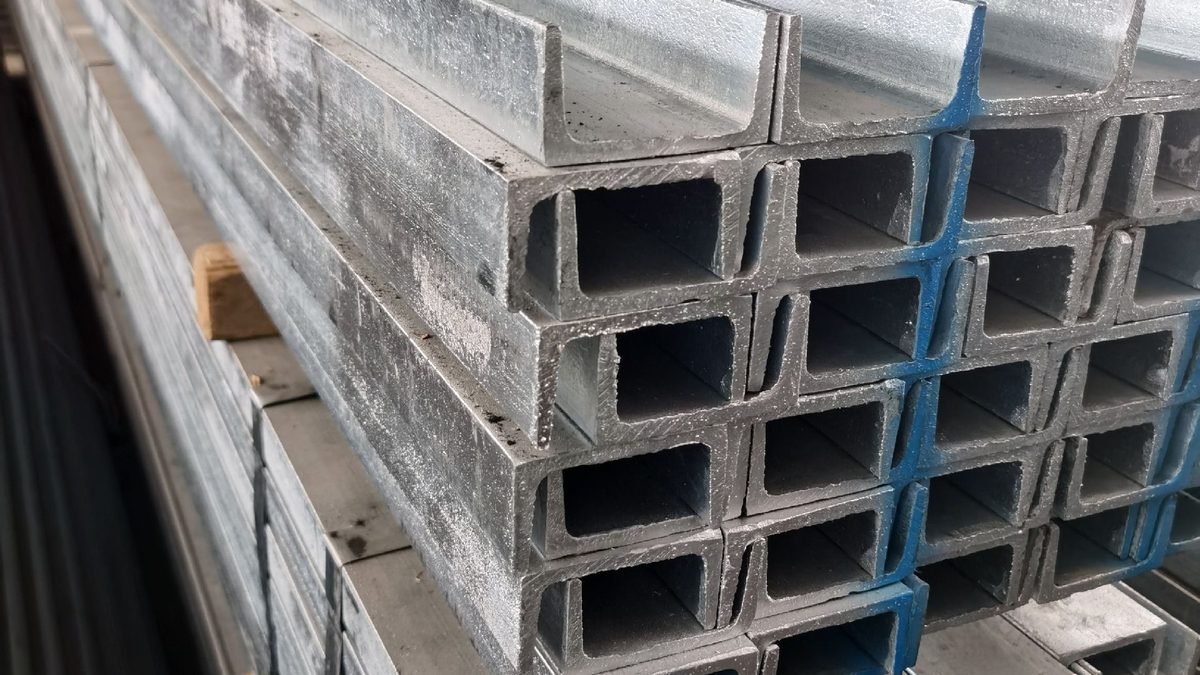
Pre-Galvanized Tube: How It Is Made and What It Cannot Do
Pre-galvanized tube starts with a zinc-coated steel strip, usually Z120 to Z275, which is roll-formed into a round tube and welded, then sized into square or rectangular form. The zinc coating survives the forming and sizing operation because the rolls are designed to minimise surface contact pressure.
The limitations follow directly from the process. The weld seam is made after coating, so the weld and its heat-affected zone have no zinc at all. The cut ends are bare steel. Any hole drilled after coating is bare steel inside. The result is a tube that is protected on its flat faces but vulnerable at every discontinuity.
In a dry indoor environment this is acceptable, because the zinc adjacent to a bare area provides sacrificial protection over a short distance — typically a few millimetres. Outdoors, where the bare end sits in a puddle or the weld seam collects condensation, the steel at the discontinuity corrodes and the corrosion creeps under the adjacent zinc, causing the coating to blister and flake.
Pre-galvanized tube is also limited in size and thickness. It is typically available up to about 100 × 100 mm and 3.0 mm wall, because the forming rolls and the strip width constrain it. Larger sections are normally hot-dip galvanized.
Hot-Dip Galvanized Tube: The Full Coating
Hot-dip galvanized tube is fabricated from black steel tube, cleaned by degreasing and acid pickling, fluxed, and immersed in molten zinc at about 450 °C. The zinc reacts with the steel to form a metallurgical alloy layer plus a pure zinc outer layer. The coating covers the outside, the inside (where accessible), the cut ends and the weld.
Coating thickness for hot-dip galvanizing is typically 60 դեպի 85 միկրոն, which corresponds to a zinc mass of 430 դեպի 610 գ/մ². That is substantially more than a Z275 pre-galvanized coating on the flat faces, and unlike pre-galvanized it is continuous.
The process has its own constraints. Long tubes must be handled on a jig that allows the zinc to drain, otherwise the coating is uneven at the lower end. Tubes with a small internal bore may not be coated inside, which is acceptable for structural use but not for conveying fluids. And the molten zinc bath can distort thin-walled tube if the dipping jig does not support it.
| Սեփականություն | Pre-galvanized | Hot-dip galvanized |
|---|---|---|
| Coating on flat face | Z120 – Z275 | 430 – 610 գ/մ² |
| Weld seam | Bare | Ծածկված |
| Cut ends | Bare | Ծածկված |
| Interior | Ծածկված (strip surface) | Coated where accessible |
| Բացօթյա կյանք | 5 – 12 տարիներ | 20 – 40 տարիներ |
| Հարաբերական արժեքը | 1.0 | 1.5 – 2.0 |
Wall Thickness and Sizing
Galvanized square tube is supplied in a standard range: 20 × 20, 25 × 25, 30 × 30, 40 × 40, 50 × 50, 60 × 60, 80 × 80 և 100 × 100 մմ, with wall thickness from 1.2 դեպի 4.0 մմ. Rectangular sections such as 40 × 80 և 50 × 100 are also common for frames and rails.
Wall thickness tolerance follows the strip tolerance, typically ±0.2 mm on hot-rolled substrate. Because the zinc coating adds 60 դեպի 85 microns on each surface, the outside dimension of a hot-dip tube grows by 0.12 դեպի 0.17 mm compared with the black tube. This matters if the tube must fit into a close-tolerance socket.
Weight is calculated from the nominal dimensions and the steel density, with the zinc added. Ա 40 × 40 × 2.0 mm tube weighs about 2.30 kg/m in black condition and about 2.45 kg/m after hot-dip galvanizing. For transport costing, use the galvanized weight.
Which Finish for Which Application
Use pre-galvanized tube for indoor frames, դարակաշարեր, temporary structures, and any application where the tube will be painted after fabrication. The paint covers the bare weld and cut ends, and the pre-galvanized surface provides a backup barrier if the paint is scratched.
Use hot-dip galvanized tube for outdoor structures that will remain unpainted: ցանկապատի սյուներ, ջերմոցային շրջանակներ, carport frames, signage supports, and coastal installations. The full coating means that cut ends and weld seams are protected, which is exactly where corrosion starts.
A third option is pre-galvanized tube with a zinc-rich repair coating applied to welds and cuts on site. This is a legitimate cost-saving approach for small fabricators, provided the repair coating is applied properly to a clean surface and is thick enough. It is not equivalent to hot-dip galvanizing, but it substantially extends the life of a pre-galvanized frame.
Fabrication: Եռակցում, Cutting and Drilling
Welding galvanized steel requires attention to two things: zinc vapour and coating damage. Zinc boils at 907 °C, well below the arc temperature, so welding produces zinc oxide fume that must be extracted. Welders should wear respiratory protection and work in a ventilated area; metal fume fever from zinc oxide is a real occupational hazard.
The weld itself will be bare steel, so every weld on a galvanized structure must be repaired with a zinc-rich cold galvanizing compound. The repair should be applied after the weld has cooled and has been cleaned of slag and spatter, and it should be at least 50 microns dry film thickness to match the surrounding coating life.
Cutting should use a cold saw, a band saw or a shear. Abrasive cutting burns the coating back 10 դեպի 20 mm on each side, which is a large bare area on a 40 mm tube. If abrasive cutting is unavoidable, the cut zone must be repaired.
Drilling removes coating from the hole wall and from the surface around the hole. For outdoor structures, drill before galvanizing if the part is hot-dipped; for pre-galvanized tube, apply repair coating to the hole and to the surrounding 5 մմ.
Coating Defects to Reject
Hot-dip galvanized tube can show several defects. A grey, ձանձրալի, mottled surface is usually caused by a thick alloy layer from excessive immersion time or by steel chemistry with high silicon; it is cosmetic but indicates a less ductile coating that may crack on bending.
Bare patches occur where the flux failed or where the zinc did not wet the surface. Any bare patch larger than a few square millimetres must be repaired. White rust — a powdery white deposit of zinc oxide and hydroxide — forms when newly galvanized surfaces are stacked wet or exposed to condensation without free air circulation. It is not a defect of the coating itself but of storage, and it consumes zinc.
Dross inclusions are hard zinc-iron particles embedded in the coating, usually on the inside of the tube or at the bottom of a dipped part. They are abrasive and can interfere with fitting. A heavy dross line on the outside surface is a reject for visible work.
Storage and Handling
Store galvanized tube under cover, off the ground, with air circulation between bundles. Stacking wet bundles or covering them with a non-breathable tarpaulin traps condensation and produces white rust within days, particularly in a humid climate or after sea transport.
If white rust does appear, it can usually be removed with a stiff brush and water, or with a dilute acetic acid wash followed by thorough rinsing. Do not use hydrochloric acid, which attacks the zinc coating. After cleaning, dry the tube and restore air circulation.
Avoid dragging bundles across each other; the zinc coating is soft and scratches easily, and a deep scratch through to steel becomes a corrosion initiation point. Lift bundles with a spreader or forks positioned under the bundle, not through the tubes.
Specification Checklist
| Նյութ | What to write |
|---|---|
| Բաժին | Outside dimension and wall thickness in mm, with tolerance |
| Դասարան | Q235B or Q355B, with mill certificate |
| Coating process | Pre-galvanized Z-mass or hot-dip with μm minimum |
| Երկարություն | Fixed length with tolerance, or random mill lengths |
| Weld repair | Zinc-rich compound, minimum DFT |
| Փաթեթավորում | Bundled, strapped, breathable wrap, desiccant for export |
Life-Cycle Cost: The Comparison Buyers Get Wrong
Pre-galvanized tube is cheaper per tonne, and the difference is visible on the purchase order. The comparison that matters is cost per year of service, and on that basis the two products often converge or reverse.
A pre-galvanized outdoor frame that fails at the welds in year six requires repair: cutting out the affected section, re-welding, and re-coating. The repair cost is not just material and labour; it includes access, disruption and the risk that the repair fails again in the same place. A hot-dip frame that lasts thirty years requires no repair and, in most cases, no repainting.
The calculation should include the cost of the initial purchase, the expected life, the maintenance cost and the replacement cost, discounted to present value. On a greenhouse frame that is expected to last fifteen years, pre-galvanized with weld repair may be the cheaper option if the structure is dismantled before corrosion becomes structural. On a coastal fence or a permanent sign structure, hot-dip is clearly cheaper over life.
There is also a hidden cost in pre-galvanized material: the site repair coating depends on the applicator. A properly applied zinc-rich compound at 50 microns is durable; a thin spray from an aerosol can is not. The variability of site work is a risk that the factory coating does not have.
The practical decision rule is simple: if the structure will be painted, pre-galvanized is adequate because the paint provides the barrier. If the structure will remain bare and outdoors, hot-dip galvanizing is the right choice. If the structure will be bare, դրսում, and in a coastal or industrial atmosphere, hot-dip is mandatory and a thicker coating should be specified.
Practice Notes for Greenhouse and Solar Frames
Two applications account for a large share of galvanized square tube, and each has a specific requirement.
Greenhouse frames. The tube carries the roof load and the wind load, and it is exposed to condensation and to fertilizer salts. The condensation issue is important: the inside of a greenhouse frame is wet for much of the year, and the tube interior is often uncoated in pre-galvanized material. Hot-dip galvanizing coats the interior where the bore is accessible, which is why it is preferred for greenhouse structures. The frame should also be designed so that water does not sit in the bottom of a closed section; a drain hole at the lowest point prevents a permanent puddle inside the tube.
Solar mounting frames. The tube carries wind uplift and the weight of the modules, and it is exposed for twenty-five years. The structural design is usually governed by wind uplift at the corners, and the connections are usually bolted rather than welded, which reduces the coating damage. The galvanizing requirement is hot-dip with a minimum 65-micron coating, and the bolt holes should be drilled before galvanizing so that the bore is coated.
Both applications share a detail that is often missed: the tube should be closed at the ends, or fitted with a cap, to prevent water and insects entering the bore. An open tube collects water, and the interior corrodes from the inside out, which is invisible until the tube perforates.
Հաճախակի տրվող հարցեր
How can I tell pre-galvanized from hot-dip? Look at a cut end. Hot-dip has zinc on the end face and inside the bore; pre-galvanized shows bare steel at the cut. Look at the weld seam; pre-galvanized shows a dark line without zinc.
Can hot-dip galvanized tube be painted? Այո՛, after proper surface preparation. Newly galvanized surfaces can be painted directly with a system compatible with zinc; weathered surfaces need cleaning and often a primer.
Is galvanized tube suitable for structural columns? It is suitable for light structures. For primary structural members, the design must account for the section properties of the tube and the connection details, and the galvanizing must not be used to compensate for an inadequate section.
Why did my galvanized frame rust in the first year? Almost always because the welds and cut ends were left bare and were never repaired. The coating on the flat faces was fine; the discontinuities failed.
Does galvanizing affect the strength of the tube? Ոչ. The zinc bath is at about 450 °C, far below any temperature that would change the steel’s microstructure. The coating adds a small amount of weight but does not change the mechanical properties.
View hot-dip galvanized tube specifications կամ Request a galvanized tube quote

