 ԱՌԱՋԸՆԹԱՑ
Hot Rolled Steel Coil: Pickling, Scale and Downstream Processing
Hot Rolled Steel Coil: Pickling, Scale and Downstream Processing
Hot rolled coil is the starting point for almost every flat steel product in the supply chain. It is rolled at temperatures above the recrystallisation point, coiled while still hot, and then either sold as-is (black coil) or pickled and oiled (HRPO) for further cold rolling, cutting or forming.
The confusing part for buyers is that “hot rolled coil” covers a wide family of products that behave very differently: black coil with mill scale, pickled and oiled coil, pickled and dry coil, and hot rolled coil that has been skin passed or temper rolled. Each has a different surface, a different corrosion behaviour and a different downstream route. This guide explains the distinctions and the specification points that matter.
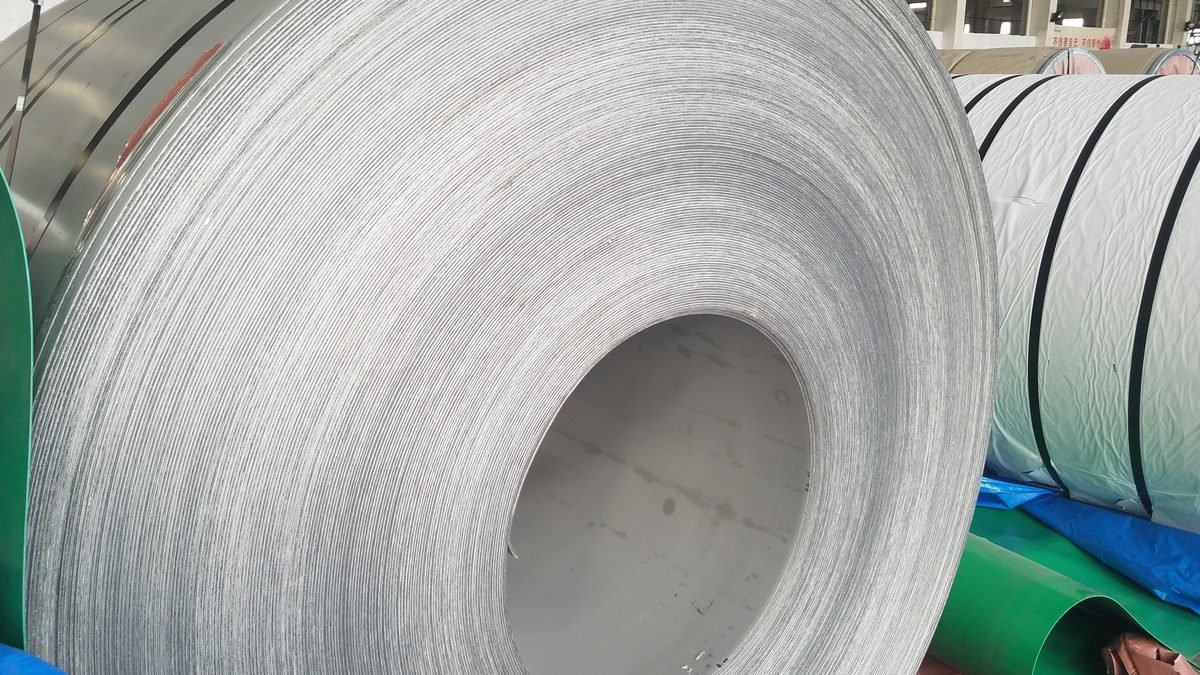
How Hot Rolled Coil Is Produced
Steel is cast into slabs, reheated to around 1200 °C, and rolled through a roughing mill and then a finishing train. The finishing temperature is typically 850 դեպի 900 °C, and the coil is then cooled by water sprays on a run-out table before being coiled at 550 դեպի 700 °C.
The coiling temperature controls the microstructure. A low coiling temperature produces finer grains and higher strength; a high coiling temperature produces coarser grains and better ductility. That is why the same grade can arrive with noticeably different mechanical properties depending on the mill’s thermal practice.
The cooling pattern also determines the scale. Fast cooling produces a thin, adherent, grey-blue scale. Slow cooling produces a thicker, multi-layered scale that spalls during handling and leaves patches of bare steel that rust in storage. If the coil will be stored for months before use, a thin uniform scale is preferable.
Mill Scale: What It Is and Why It Matters
Mill scale is a layered oxide of iron — mainly magnetite, haematite and wustite — formed on the surface during hot rolling. It is tightly adherent on the as-rolled coil but becomes brittle and cracks when the coil is bent, which is why black coil handled roughly sheds scale flakes that rust underneath.
Mill scale must be removed before most downstream processes:
Before painting, because paint applied over scale adheres to the oxide rather than to the steel, and the oxide layer eventually spalls and takes the paint with it.
Before welding, because scale promotes porosity and slag entrapment in the weld.
Before cold rolling, because scale would be pressed into the strip surface and destroy the finish.
Before galvanizing, because the zinc will not alloy with an oxidised surface.
The exception is structural application where the coil is cut into beams or plates that will be allowed to weather or will be painted after blasting. In that case black coil is perfectly acceptable, and paying for pickling would be wasted.
Pickling: The Chemistry and the Product
Pickling removes scale by immersion in acid. Hydrochloric acid pickling is the most common route, operating at 60 դեպի 80 °C in a continuous line. The coil is uncoiled, passed through the acid bath, rinsed, dried and recoiled.
The result is HRPO — hot rolled pickled and oiled. The surface is clean, grey and slightly rough, with a roughness that helps paint adhesion. Oil is applied immediately after drying to prevent rerusting; the oil film is typically 0.5 դեպի 2 գ/մ².
The pickling line also performs edge trimming. The slit edges of the hot rolled coil carry the rolled-in edge defects, so the line trims 10 դեպի 20 mm from each side. This is why a pickled coil is always slightly narrower than the black coil it came from, and why the width must be specified after trimming, not before.
| Ապրանք | Մակերեւութային | Downstream use | Storage life |
|---|---|---|---|
| Black coil | Ջրաղաց մասշտաբ, grey-blue | Կառուցվածքային, blasting then painting | 6 – 12 months under cover |
| HRPO | Clean grey, յուղած | Cold rolling, ձևավորելով, զոդում | 3 – 6 months |
| Pickled dry | Clean, unoiled | Immediate processing only | Days |
| Skin passed HR | Improved flatness | Precision cutting, լազերային | 3 – 6 months |
Thickness and Width: Realistic Tolerances
Hot rolled coil is produced in thicknesses from about 1.2 մմ դեպի 25 մմ. Thickness tolerance is wider than cold rolled: typically ±0.10 mm for 1.5 դեպի 3.0 մմ, widening to ±0.5 mm above 10 մմ. Crown is also larger, because the work rolls deflect under the rolling load; a 1500 mm wide coil may carry 0.05 դեպի 0.10 mm crown.
Width tolerance for hot rolled coil is typically 0 դեպի +20 mm on the mill edge, և 0 դեպի +5 mm after edge trimming. If the coil will be slit or cut into precise blanks, specify trimmed width and the tolerance after trimming.
Coil weight is normally 10 դեպի 30 tonnes for wide material. For buyers without heavy handling equipment, specify a maximum coil weight; a 28-tonne coil cannot be unloaded by a small forklift, and splitting it requires a decoiler that most small fabricators do not have.
Mechanical Properties and Grade Selection
Common structural grades include Q235B and Q355B in Chinese practice, S235JR and S355JR in European practice, and A36 and A572 Gr.50 in American practice. The naming reflects minimum yield strength: 235, 355, 235, 355, 250 և 345 MPa respectively.
For forming applications, grades such as S275JR or Q345B offer a compromise between strength and ductility. For bending and roll forming, the ductility matters more than the yield; a high-strength coil with low elongation will crack at tight bend radii.
The mill certificate should report yield strength, առաձգական ուժ, elongation and chemical composition, plus the heat number. For pressure or safety-critical applications, require impact testing at a specified temperature; this is the difference between a commercial certificate and a qualifying certificate.
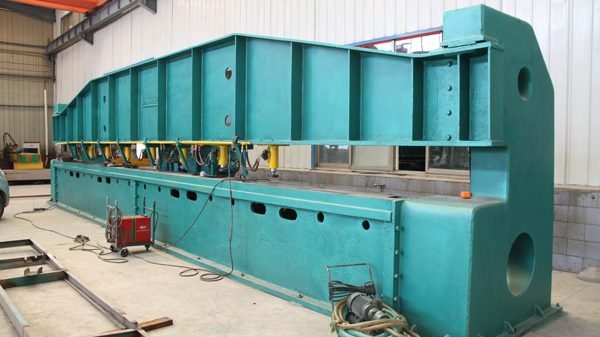
Cutting and Processing Routes
Hot rolled coil is converted into usable stock by three main routes. Cut-to-length lines decoil, level and shear the strip into flat sheets. Slitting lines cut the coil into narrower coils. Laser or plasma cutting produces profiled blanks directly from the coil or sheet.
For cut-to-length sheets, the levelling quality determines flatness. A coil that has been poorly levelled will produce sheets with a coil set — a longitudinal curvature that makes the sheet rock on a flat surface. Specify flatness in millimetres per metre, and specify whether the sheet must be stress-relieved after cutting, because shearing introduces residual stress that causes the sheet to bow after machining.
For laser cutting, the surface condition matters more than for shearing. Mill scale reflects the laser beam unpredictably and produces inconsistent cut quality, so HRPO or pickled material is preferred. A black coil can be laser cut, but the operator will need to adjust parameters and the cut edge will be rougher.
Storage and Rust Prevention
Black coil can be stored outdoors for a limited period if it is raised off the ground and covered, but the scale will crack and rust will start at the edges of the coil and at any spalled patch. HRPO is far more vulnerable because the surface has no oxide protection and only a thin oil film.
Store HRPO indoors, on dunnage, with the coil axis horizontal, and keep it away from sources of moisture. Re-oil if the coil will be stored beyond the oil’s life; the original oil film degrades and loses effectiveness after a few months. A VCI wrap extends storage life substantially for export shipments.
Never store a pickled coil in the same area as a black coil being blasted or ground; airborne grit and scale dust will embed in the clean surface and cause defects in the next process.
Incoming Inspection
Check the coil tag, certificate and heat number. Measure thickness at the centre and edges at both ends. Check width. Inspect the outer wrap for scale spalling, rust spots and edge damage. On HRPO, check that the surface is uniformly grey with no residual scale patches and no water stains.
Check the coil for ovality of the bore; a deformed bore will not fit the decoiler mandrel. Check for telescope and for edge waviness. Take a sample and perform a bend test and, if the application is structural, a tensile test on a coupon.
For pickled material, check oil weight on a weighed sample and check for residual acid by pH testing a swab from the surface. Residual acid from inadequate rinsing causes delayed rust that appears weeks after delivery and is hard to attribute.
Application Map: Where Each Product Goes
Understanding the downstream route makes specification much easier, because each application imposes a different requirement on the coil.
Cold rolling substrate. HRPO coil feeds a cold rolling mill, which reduces it to 0.2 դեպի 1.0 մմ. The requirement is a clean, scale-free surface with uniform thickness and no edge defects, because any defect in the hot rolled coil propagates through the cold mill and becomes a surface defect in the finished product.
Welded pipe and tube. HRPO strip is roll-formed into pipe and welded along the seam. The requirement is consistent width and good edge quality, because the strip edges become the weld seam. A ragged or work-hardened slit edge produces weld porosity and a raised bead. For API or pressure pipe, the coil must also meet a specified carbon equivalent and impact toughness.
Cut-to-length sheet. HRPO or black coil is levelled and sheared into sheets for fabrication. Flatness after cutting is the key requirement, and the leveller setting matters more than the coil itself. A coil with residual coil set will produce sheets that rock on a surface plate.
Structural sections. Black coil is slit and roll-formed into beams, channels and hollow sections. The requirement is consistent mechanical properties, because the section’s load capacity depends on the yield strength of the strip, and the mill certificate must be traceable to the coil.
Automotive and appliance. HRPO is the substrate for cold rolled and coated products used in body panels and housings. The requirement is tight control of surface defects and of mechanical properties, plus a documented traceability chain from heat number to finished part.
| Դիմում | Key requirement | Common failure |
|---|---|---|
| Cold rolling | Clean surface, uniform gauge | Residual scale marks |
| Welded pipe | Edge quality, consistent width | Weld porosity, high bead |
| Կտրված երկարությամբ | Հարթություն, low residual stress | Coil set, bow after cutting |
| Roll-formed sections | Consistent yield strength | Section distortion, ճեղքվածք |
| Coated substrate | Surface cleanliness, հարթություն | Coating defects at inclusions |
The map also explains why “թթու դրած” is not a single specification. Pickling for cold rolling requires a different residual oil and a different surface roughness than pickling for direct painting. The pickling line can vary acid concentration, line speed and rinse quality, and the resulting product differs. If the coil is going to a paint line, specify the surface roughness and the oil type that the paint system requires, ոչ միայն “HRPO”.
Cost Logic: Where the Money Goes
Hot rolled coil is priced from the slab and the rolling cost, and the pickling operation adds a defined increment. The economics of buying pickled versus black are straightforward: pickling adds cost but removes the need for the customer to blast or pickle before use. If the customer has no blasting line, pickled is the only practical option; if the customer has a blast line and the parts are thick, black coil plus blasting may be cheaper.
Yield is the hidden cost. Pickling trims the edges, so buying 1250 mm pickled means receiving about 1230 mm usable. Buying 1250 mm black and trimming in-house gives the same result but transfers the trim scrap to the customer. For high-volume users, the trim scrap has value and should be accounted for in the comparison.
Transport cost also matters. Coils are heavy, and freight is charged by weight, not by value. A pickled coil and a black coil of the same size weigh nearly the same, so the freight penalty of buying pickled is small relative to the processing benefit. The exception is very long distances, where the freight becomes a significant fraction of the coil value and local processing may be preferable.
Հաճախակի տրվող հարցեր
What does HRPO stand for? Hot rolled pickled and oiled — the coil has had its mill scale removed by acid pickling and has been oiled to prevent rust.
Can I paint directly onto black hot rolled coil? Not reliably. The paint adheres to the scale, which eventually spalls. Blast or pickle first.
Is hot rolled coil cheaper than cold rolled? Այո՛, typically by 15 դեպի 25 percent, because it skips the cold rolling and annealing steps. The trade-off is wider tolerance, rougher surface and lower formability.
Why does my HRPO coil rust in storage? Because the oil film is thin and the surface has no oxide protection. Moisture condensation, ground contact and long storage all defeat a light oil.
Can hot rolled coil be galvanized? Այո՛, after pickling and after the surface is confirmed clean. Galvanizing over residual scale produces bare spots and poor zinc adhesion.
View Q345D steel product specifications կամ Request a hot rolled coil quote

