 PROGRÈS
Stainless Steel Coil Slitting: Width Tolerance, Burrs and Coil Weight
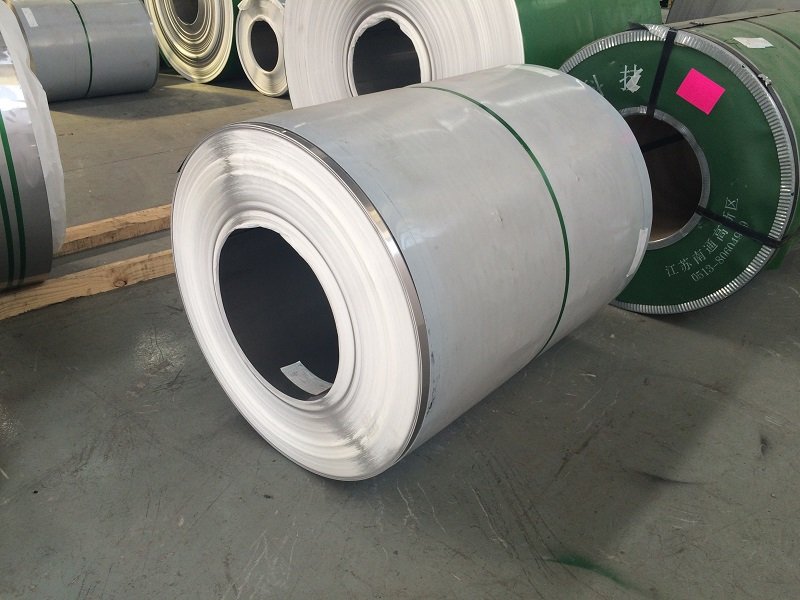
Ordering slit stainless steel coil involves more than dividing a wide coil into narrower strips. The resulting material must fit the customer’s feed equipment, forming operation and handling limits. Largeur, état des bords, coil diameter and winding quality can all affect how smoothly a production line runs. A clear slitting enquiry connects these requirements before material is processed. This guide focuses on the information buyers should agree with a supplier, without assuming that every grade, thickness or width can be supplied from stock.
Explain the downstream operation
Begin with the process that will use the strip. A roll former, stamping press and tube mill may require different combinations of strip width, edge quality and coil presentation. State whether the material will be fed automatically or handled as short lengths. Explain any known sensitivity to burrs, surface scratches or strip tracking. This helps the quotation address the actual production requirement rather than only the nominal dimensions.
If a previous coil caused difficulties, describe the observed problem using measurements or photographs. Distinguish between a strip that is outside its ordered tolerance and one that meets the order but does not suit the machine. That distinction matters because tighter material requirements should be agreed before the next order, not applied retrospectively after processing has begun.
Confirm grade, thickness and material condition
Provide the stainless grade, product standard and required delivery condition. Include nominal thickness and its permitted variation. The temper or mechanical condition can influence subsequent forming, so avoid treating all stainless strip with the same grade name as interchangeable. If test certificates are required, identify the certificate type and the traceability expected for each slit coil.
Surface finish also belongs in the specification. State whether one face is cosmetic, whether protective film is required and whether there is a preferred rolling direction for visible parts. Where the material will be polished later, explain that process rather than specifying an unnecessarily expensive finished surface. The supplier should confirm that the proposed starting material and processing route match the order.
Define width tolerance in measurable terms
List each slit width and the quantity required at that width. Write the width tolerance beside the nominal value. A purchase order stating only accurate slitting leaves too much room for interpretation. If a recognized tolerance standard is being used, identify it and confirm that the proposed thickness and width fall within its applicable scope.
Ask how width will be measured, including the instrument, sampling frequency and treatment of edge irregularities. Where multiple widths will be produced from one parent coil, agree whether the order permits quantity variation by width. A supplier may need to consider trimming and material yield when proposing a slitting arrangement. Review that proposal against the quantities your production schedule actually needs.
Discuss burrs and edge condition
Burr requirements should relate to the application and include an agreed inspection method. The phrase burr free is often used casually but can be difficult to verify without a defined limit. State which edge or direction is critical and whether an additional edge treatment is required. Check whether the quoted price includes that treatment or only the normal slit edge.
Operators should handle strip edges using the site’s approved procedures and protective equipment. A purchasing description does not eliminate the hazards of sharp metal. Where the strip will contact tooling, seals or a cosmetic surface, explain the risk to the supplier and agree the necessary edge quality. Keep representative approved samples or inspection photographs where they help communicate expectations consistently.
Match coil weight and diameter to the equipment
Provide the maximum coil weight your uncoiler and handling equipment can accept. State the required inside diameter and any limit on outside diameter. These are related but separate requirements. A coil can satisfy the weight limit and still have an unsuitable diameter, particularly when strip thickness or width changes. Ask the supplier to confirm the proposed presentation rather than relying on an assumed standard coil size.
Identify winding direction, eye orientation and packaging restrictions where relevant. Explain whether the line needs individual coils, stacked coils or another arrangement. If coil joints are restricted, state the requirement and how any permitted joint must be marked. Do not leave an important production restriction buried in a general email attachment that may be missed during order entry.
Agree winding, identification and packing
Discuss how loose winding, edge misalignment or movement during transport will be assessed. Use an agreed description or photograph when a particular winding appearance is important. Avoid setting an acceptance rule from a single promotional photograph, since lighting and viewing angle can conceal details. The order should state the inspection criteria that matter to the customer’s process.
Each delivered coil should be identifiable against the packing list and material records. Ask for labels showing the information needed by your receiving team, such as grade, dimensions, poids, coil reference and heat or batch reference where applicable. Confirm how labels will remain readable after handling. Packing should protect the edges and faces without interfering with unloading equipment or creating avoidable unpacking damage.
Check the first delivery before full production
On arrival, inspect the package and labels before removing protection. Record any transport damage and compare the delivered dimensions with the order. When introducing a new material specification or slitting requirement, consider an agreed initial inspection or production trial before releasing the full quantity to the line. Define the trial quantities and acceptance responsibilities in advance.
Retain coil references when reporting a problem. A useful report links the observation to a specific coil, measurement location and process stage. This helps separate transport damage, material variation and machine setup issues. It also allows a supplier to investigate without guessing which part of the shipment was affected.
Send a complete slitting RFQ
Include grade, standard, épaisseur, slit widths, width tolerance, edge requirements, quantity per width, poids de la bobine, inside diameter and maximum outside diameter. Add surface, joints, identification and packing requirements. Ask QIDAMT to confirm the available processing arrangement, minimum order and delivery schedule against those details.
Email sales@qidamt.com or contact WhatsApp +86 139 6951 8618. You can also review our stainless steel finish guide when specifying the surface. A complete specification makes the quotation easier to compare and gives the receiving team a clear inspection reference.