 PROGRESSO
Checker Plate Base Thickness and Pattern: How to Avoid Ordering Errors
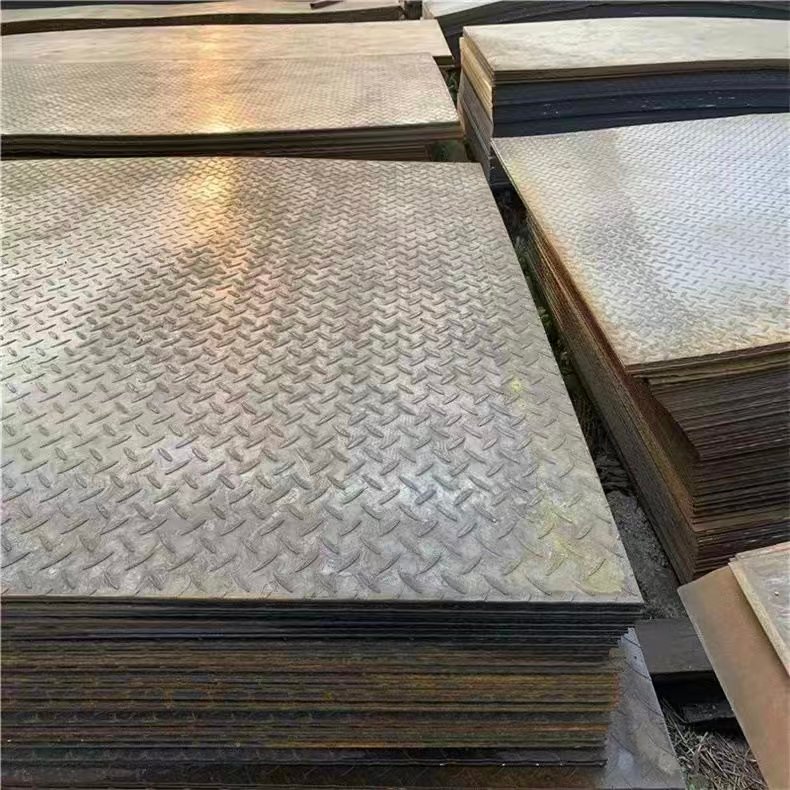
Checker plate base thickness is one of the first details to clarify when ordering patterned metal plate. A raised pattern changes the surface profile, so a thickness reading taken over a projection may not describe the underlying base metal. Buyers should agree what the ordered thickness means, how it will be measured and which pattern details matter. This guide focuses on purchase specifications and receiving checks. Structural capacity and slip performance require their own assessment for the actual installation.
Distinguish the base plate from the raised pattern
Ask whether the quoted thickness refers to the base material or an overall measurement including the pattern. Record the accepted definition in the RFQ and purchase order. Do not assume that different suppliers use the same commercial convention. A number such as four millimetres is incomplete if the buyer and supplier are measuring different parts of the surface profile.
Use a sketch or clearly labelled photograph where it helps explain the requirement. Identify the measurement position and relevant standard or agreed method. The receiving team should be able to repeat the same check. A photograph showing a measuring tool is useful only when the tool’s contact points and the requirement being assessed are clear.
Specify material grade and delivery condition
Identify whether the product is carbon steel, aço inoxidável, aluminum or another material. Include the grade, product standard and required condition. A checker pattern describes a surface form, not a complete material specification. Two plates with similar patterns may have different material properties, corrosion behaviour and fabrication requirements.
If the product will be galvanized, pintado, polished or otherwise processed, describe the required condition at delivery. Clarify whether thickness and appearance requirements apply before or after that processing. Ask the supplier to identify any proposed alternative explicitly. A commercial substitution should be reviewed against the component’s design and service conditions before it is approved.
Define pattern details that affect the component
State the required pattern type and identify any important height, spacing or orientation requirement. A general description such as diamond plate may cover different appearances in commercial supply. If the pattern must match existing panels, provide a reference and agree how matching will be assessed. Do not rely solely on a small catalogue photograph taken at an unknown scale.
Pattern orientation can matter when several plates are installed together or cut into visible parts. Mark the required direction on the drawing when necessary. Discuss whether a particular cut edge must begin or end at a defined pattern location. These special requirements may affect the available cutting layout, so they should be reviewed before the order fixes the plate dimensions and quantity.
State dimensions, tolerances and usable area
Provide width, comprimento, thickness definition and quantity in a consistent unit system. Identify whether these are parent plate dimensions or finished part dimensions. If edges will be trimmed or holes added, allow for those operations in the purchasing specification. A fabricator should confirm that the ordered blank leaves enough usable material for the final drawing.
Agree dimensional tolerances and the measurement arrangement for flatness or squareness where these are important. Avoid requesting perfect flatness without an applicable limit or method. For cut pieces, show critical dimensions and distinguish them from general tolerances. The supplier should confirm what is included in the quotation instead of leaving the receiving team to interpret an undefined expectation.
Compare weight on a defined basis
Clarify whether the quotation uses actual weight, calculated weight or another agreed commercial basis. A simple flat-plate calculation does not automatically include the raised pattern or every product-specific factor. Ask for the calculation basis if theoretical weight is used, and keep that basis consistent when comparing offers. Otherwise, different unit prices can conceal different assumptions about the quantity being sold.
Check piece count, ordered dimensions and the weight information together. Do not treat a weight difference alone as proof that a thickness requirement has or has not been met. Use the agreed inspection method to assess the material itself. Where weight is commercially critical, agree the weighing arrangement and permissible variation before the shipment is prepared.
Separate texture from verified slip performance
A raised pattern should not be treated as a universal guarantee of slip resistance. Água, oil, footwear, wear and the installation environment can change how a surface performs. If a project requires a slip-resistance classification or test result, specify that requirement and obtain appropriate evidence. Do not infer compliance from the visual presence of a pattern.
Likewise, do not select a plate thickness for a load-bearing floor solely from a general buying guide. Span, support conditions, loading and connection details belong to the structural design. The responsible engineer should approve the material and geometry for the installation. Purchasing should ensure that the delivered product matches that approved specification, with deviations reviewed before use.
Inspect incoming plates before fabrication
Photograph package labels and visible condition at receipt. Verify the material references, piece count and dimensions against the order. Measure thickness using the agreed definition and method. Record the locations checked so that another person can understand how the result was obtained. Keep surface marks, pattern irregularities and dimensional concerns separate in the report.
If a concern is found, identify the affected plates and avoid mixing them with another delivery. Include photographs with a scale where appropriate and cite the relevant order requirement. Seek clarification before removing material, applying a coating or completing fabrication that makes further inspection difficult. Any authorized concession should identify the quantity and application covered.
Prepare an unambiguous checker plate RFQ
Send QIDAMT the material grade, padrão, base-thickness definition, dimensões, pattern reference, quantity and delivery condition. Add tolerances, weight basis, cutting drawings, test documents and destination. Availability and processing requirements will be confirmed against the enquiry. Contact sales@qidamt.com or WhatsApp +86 139 6951 8618. Nosso floor plate selection guide discusses material choices; final loading and slip requirements should follow the project’s approved design and inspection specification.