 ຄວາມຄືບໜ້າ
304 Stainless Steel Precision Tube: OD/ID Tolerance, Surface and Instrument Use
ກ 304 stainless steel precision tube is a small-diameter, cold-drawn or cold-rolled seamless tube made to a close outside-diameter and wall-thickness tolerance, with a bright annealed or specially cleaned bore. It is used for instrument impulse lines, hydraulic control lines, medical gas, chromatography, semiconductor gas panels and small heat exchangers, where a standard pipe would be too rough, too loose in dimension or too dirty inside.
What Precision Tube Means in Practice
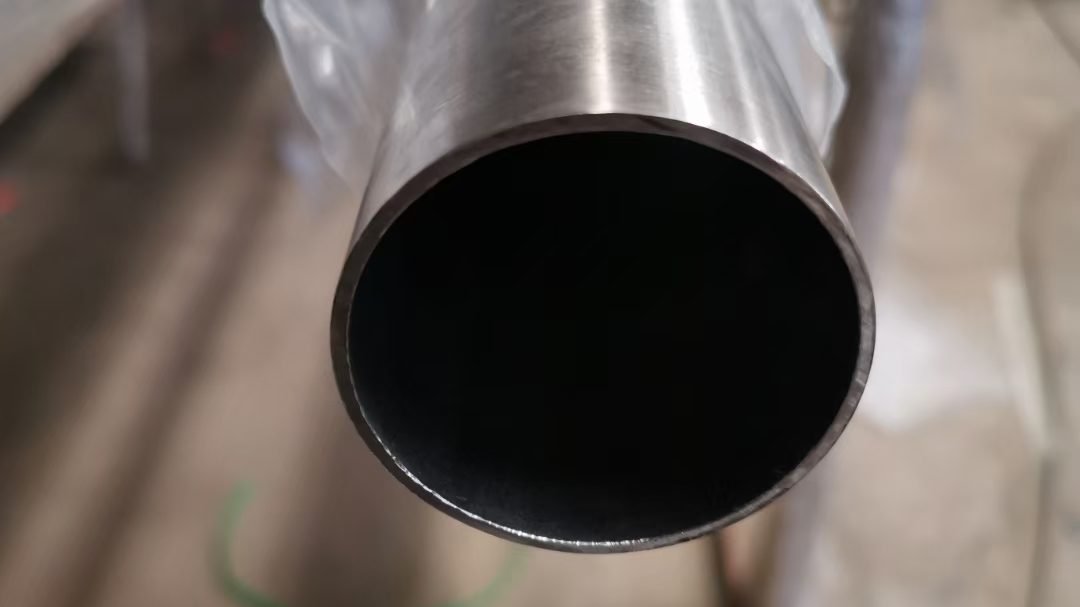
Precision tube is not simply a seamless tube that happens to be small. The product is defined by three things: a tightly controlled outside diameter, a controlled wall thickness, and a surface condition that is suitable for the application. A tube with an outside diameter of 6.35 mm and a wall of 1.0 mm may look like a pipe, but if the OD varies by 0.3 mm and the bore carries drawing lubricant, it will not seal reliably with a ferrule or hold a clean instrument signal.
The common sizes are 1.59 ມມ, 3.18 ມມ, 6.35 ມມ, 9.53 ມມ, 12.7 ມມ ແລະ 25.4 ມມ ເສັ້ນຜ່າສູນກາງນອກ, with walls from 0.5 mm ເຖິງ 3.0 ມມ. The inch sizes correspond to 1/16, 1/8, 1/4, 3/8, 1/2 ແລະ 1 inch. Metric sizes such as 6 ມມ, 8 ມມ, 10 ມມ ແລະ 12 mm are also common in European and Asian projects. The tube is normally supplied in coils or straight lengths, depending on diameter and the customer’s handling equipment.
Instrument impulse lines use precision tube because a small bore reduces response lag and because a consistent OD allows a repeatable compression fitting. Hydraulic lines use it because a smooth bore reduces pressure loss and because a tight wall tolerance allows a predictable burst rating. Medical and food lines use it because the bore can be cleaned and because the alloy resists the cleaning chemicals. Semiconductor gas panels use it because the internal surface must not trap particles or moisture.
ຊັ້ນຮຽນແລະອົງປະກອບທາງເຄມີ
The grade is the standard 304 ສະແຕນເລດ austenitic, also written 06Cr19Ni10, 1.4301 or UNS S30400. It is chosen for precision tube because it combines good corrosion resistance, excellent cold-forming behaviour and weldability without the cost of molybdenum-alloyed 316L. For chloride-bearing water, medical gas with halide exposure or coastal instrument lines, 316L is usually the better choice. The article deals only with 304; the selection section explains where it should not be used.
| ອົງປະກອບ | ປົກກະຕິ 304 ຊ່ວງ (%) | Effect on tube making | Purchasing note |
|---|---|---|---|
| ຄ | ≤ 0.08 | Weldability and anneal response | High carbon increases carbide precipitation |
| ແລະ | ≤ 0.75 | Deoxidation | Keep low for bright annealed surface |
| ມ | ≤ 2.00 | ສະຖຽນລະພາບ Austenite | Not a replacement for nickel |
| ປ | ≤ 0.045 | Impurity | High phosphorus hurts cold drawing |
| ສ | ≤ 0.030 | Impurity | Sulphur raises inclusion count in the bore |
| Cr | 18.0–20.0 | ຮູບເງົາຕົວຕັ້ງຕົວຕີ | ຂ້າງລຸ່ມນີ້ 18% reduces pitting resistance |
| ໃນ | 8.0–10.5 | Austenite and toughness | Low nickel can cause magnetic phase |
| ນ | ≤ 0.10 | Strength and austenite | Excess nitrogen can reduce ductility |
| ເຟ | ຍອດເງິນ | Matrix | Check residuals with PMI |
ປົກກະຕິ 304 window under ASTM A269 / IN 10357 / GB/T 14976. Confirm the standard and the heat analysis on the mill certificate.
Precision tube is often made from strip or from a hollow billet, and the starting material matters. A strip with a clean, uniform surface produces a better bore than a strip with rolled-in scale or a heavy oxide layer. The tube mill will cold draw or cold roll the strip over a mandrel, anneal between passes and clean the bore after the final pass. If the starting strip has a high inclusion count, the inclusions can string out along the bore and become leak paths or particle sources.
ຄຸນສົມບັດກົນຈັກ
Precision tube is normally supplied in the annealed condition so that it can be bent, flared and welded. Cold drawing without a final anneal raises strength and hardness but leaves the tube brittle and dimensionally unstable after cutting. The values below are typical for bright annealed 304 ທໍ່. For pressure design, use the allowable stress from the applicable code and the actual wall thickness, not the nominal wall.
| ຊັບສິນ | Typical annealed value | Test method | Fabrication note |
|---|---|---|---|
| ຄວາມເຂັ້ມແຂງຂອງຜົນຜະລິດ, Rp0.2 | ≥ 205 MPa | ASTM A370 / IN 10002 | Use for bend and collapse calculations |
| ຄວາມແຮງ tensile, Rm | ≥ 515 MPa | ASTM A370 | Actual values often 550–650 MPa |
| ການຍືດຕົວ, A50 | ≥ 40% | ASTM A370 | Needed for flaring and bending |
| ຄວາມແຂງ | ≤ 201 HB | ASTM E10 | Hard tube cracks when flared |
| ຄວາມຫຍາບຂອງພື້ນຜິວ, Ra | ≤ 0.8 µm bright annealed | Profilometer | Specify for instrument and medical lines |
| ຄວາມຫນາແຫນ້ນ | 7.93 g/cm3 | — | Used for coil weight |
| ການນໍາຄວາມຮ້ອນ | 15–16 W/m·K | — | Low compared with copper |
| Maximum service temperature | ກ່ຽວກັບ 800 °C in air | — | Strength falls above 500 °C |
Typical room-temperature values for annealed 304 precision tube. Pressure ratings must be calculated from the actual wall and the design code.
The combination of high elongation and moderate yield strength is what makes 304 precision tube easy to bend. A fully annealed tube can be bent to a radius of about two to three times the outside diameter without a mandrel, depending on wall thickness. A hard-drawn tube needs a larger radius or a mandrel, and it may still show ovality at the bend. If the tube will be bent in service, specify the annealed temper and the minimum bend radius on the purchase order.
ຂະໜາດ, Tolerances and Supply Forms
Precision tube is ordered by outside diameter, ຄວາມຫນາຂອງຝາ, length or coil length, ອຸນຫະພູມແລະຫນ້າດິນ. The inside diameter is a derived dimension: ID equals OD minus twice the wall. A change of 0.1 mm in wall thickness changes the ID by 0.2 ມມ, so a tube that is nominally 6.35 mm OD with a 1.0 mm wall has an ID of 4.35 ມມ, ບໍ່ 4.0 ມມ. Buyers who order by ID alone often receive a tube with the wrong wall and consequently the wrong pressure rating.
| ພາລາມິເຕີ | ຂອບເຂດທົ່ວໄປ | ຄວາມທົນທານປົກກະຕິ | Order description |
|---|---|---|---|
| ເສັ້ນຜ່າສູນກາງນອກ | 1.59–25.4 mm | ±0.05 mm up to 12.7 ມມ; ±0.10 mm above | Nominal OD, tolerance class and gauge |
| ຄວາມຫນາຂອງຝາ | 0.5– 3.0 ມມ | ±10% or ±0.05 mm | Minimum wall if pressure rating matters |
| Inside diameter | Derived | Depends on OD and wall | State only as a reference, not as the primary size |
| ຄວາມຍາວ | Coils or 3–6 m straight | +50 / 0 ມມ | Random or fixed length |
| ຄວາມຊື່ສັດ | — | ≤ 1 ມມຕໍ່ແມັດ | Critical for instrument rack tubing |
| ຮູບໄຂ່ | — | ≤ 0.5 × OD tolerance | Check at the bend and at the tube ends |
| ດ້ານ | ສົດໃສ annealed, pickled or polished | Ra ≤ 0.8 µm typical | Specify Ra and cleanliness |
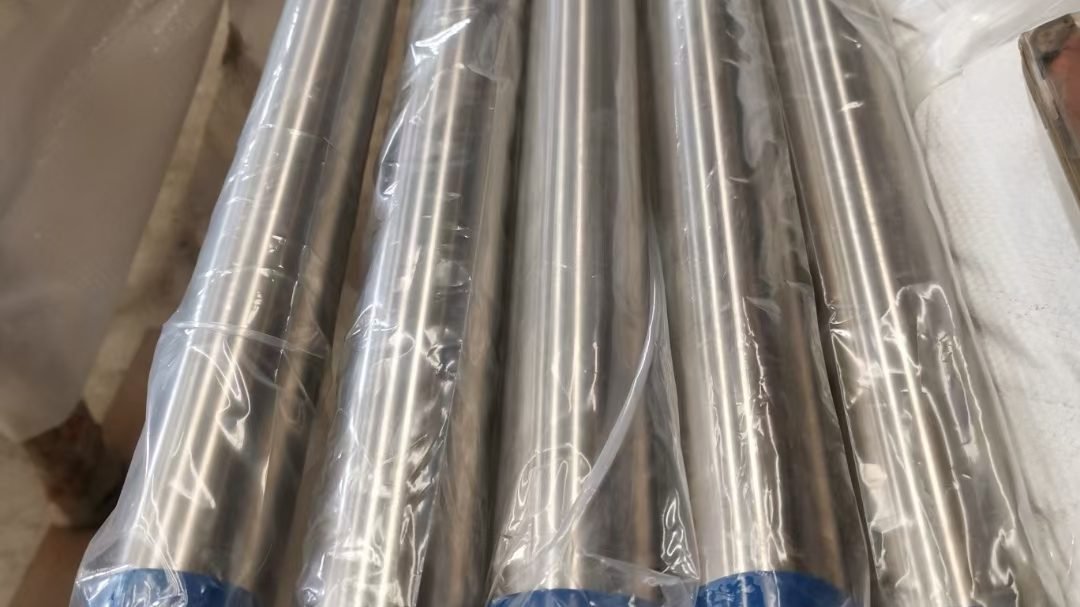
| End condition | Square cut, deburred or capped | — | Caps protect the bore in transit |
Typical commercial windows for 304 precision tube. For pressure or medical service, add the applicable standard and the inspection requirements.
The tolerance that matters most depends on the connection. A compression fitting with a ferrule grips the OD, so OD tolerance and ovality control whether the ferrule seals. An orbital weld joint depends on wall thickness and squareness of the cut, because a thin wall or a bevelled end can produce an incomplete fusion pass. A flared joint depends on annealed temper and wall thickness, because a hard tube cracks at the flare. Do not assume that one tolerance table covers all three connection types.
Supply form also changes the handling rules. A coil of 6.35 mm tube is easy to ship but difficult to straighten without a coil cradle. A straight length of 12.7 mm tube is easier to cut but costs more to pack. For instrument panels, straight lengths with capped ends are usually preferred because the bore stays clean and the tube can be measured before installation. For long impulse lines, a coil allows the installer to pull the tube through a route without joints.
How Precision Tube Is Made
The process starts with stainless strip that has been slit to the correct width. The strip is formed into a tube and welded longitudinally, or a hollow billet is extruded and then cold drawn. For small precision sizes, the welded tube is cold drawn over a mandrel to reduce the OD and wall, then annealed to restore ductility. The mandrel controls the bore and the die controls the OD. Multiple draws with intermediate anneals are needed to reach small sizes without cracking.
After the final draw, the tube is bright annealed in a hydrogen or cracked ammonia atmosphere. Bright annealing removes the drawing lubricant and leaves a clean, oxide-free surface. Pickled tube is cheaper but has a matte, slightly rough bore and may retain acid residues if the rinse is inadequate. For medical, food and semiconductor use, bright annealing followed by a high-purity rinse and a capped end is the standard route.
Inspection is more intensive than for a standard pipe. The tube may be eddy-current tested for longitudinal defects, hydrostatically tested or air-tested for leaks, measured by laser gauge for OD and wall, and checked for surface roughness. A dimensional check at the two ends is not enough because the tube can drift in wall thickness along the coil. Good mills chart the wall thickness continuously and mark the coil with the measured range.
The most common mill defects are eccentric wall, longitudinal scratches, die marks, residual lubricant, heat tint from a poor anneal and ovality at the coil ends. Eccentric wall means the bore is offset from the OD; it is caused by mandrel misalignment or uneven drawing. A scratch that runs along the tube can become a leak path after bending. Heat tint is a visible oxide that reduces corrosion resistance and should not be accepted on a bright annealed product.
Selection Rules for Instrument and Hydraulic Lines
Start with the pressure. The burst pressure of a thin-wall tube is approximately 2 × wall × tensile strength / OD for a simple estimate, but a design code will use a lower allowable stress and a corrosion allowance. ກ 6.35 mm OD tube with a 1.0 mm wall is much stronger than the same OD with a 0.5 mm wall, even though both look similar from outside. If the line will be pressure-tested at 1.5 ເວລາຄວາມກົດດັນໃນການເຮັດວຽກ, the wall must be selected for the test condition, not only the operating condition.
ຕໍ່ໄປ, choose the connection. Compression fittings need a clean, round OD and a consistent wall. Orbital welding needs a square cut, a clean bore and a wall that matches the weld schedule. Flared fittings need annealed tube and a flare that does not split. Threaded pipe connections are not suitable for precision tube because the wall is too thin for a pipe thread; use a welded or compression adapter.
Then consider the environment. 304 is adequate for dry air, nitrogen, argon, potable water and many process fluids. It is not the best choice for chlorinated water, seawater, hydrochloric acid or a marine atmosphere. In those cases, 316L or a higher-alloy tube is needed. 304 is also not recommended for service in the 450–850 °C sensitisation range if the tube will be welded and exposed to an electrolyte later; use 304L or a stabilised grade.
- Choose the OD from the fitting series, not from the nearest pipe size.
- Choose the wall from the pressure rating and the corrosion allowance.
- Specify bright annealed and capped for instrument, medical or gas service.
- Specify the minimum bend radius and the temper if the tube will be bent.
- ບອກມາດຕະຖານ, the test method and the acceptable surface roughness.
- For long runs, calculate the coil length plus 10% for cut-off and field losses.
ການຕັດ, Bending and Installation
Precision tube should be cut with a tube cutter that uses a thin wheel and a square guide, or with a band saw for larger diameters. A hacksaw leaves a burr and a crooked end. ຫຼັງຈາກການຕັດ, deburr the inside with a reamer or a deburring tool and blow the bore clean with dry nitrogen. Do not use compressed shop air that contains oil or water; it can leave a film that is difficult to remove after installation.
Bending is best done with a mandrel bender or a roll bender. For small OD, a hand bender with the correct shoe radius is acceptable if the tube is annealed. Fill the tube with clean dry sand or use a mandrel if the bend radius is tight. After bending, check ovality and wall thinning at the outside of the bend. A bend that is flattened on the inside restricts flow and can crack during pressure cycling.
Compression fittings require a clean OD and a ferrule that matches the tube material. Do not mix a ferrule designed for copper with a stainless tube; the hardness difference can prevent proper deformation. Tighten to the fitting maker’s torque, not to the point where the tube starts to collapse. ສໍາລັບການເຊື່ອມໂລຫະວົງໂຄຈອນ, use a purged, clean bore, a square end and a weld schedule qualified for the wall thickness. Heat tint must be removed after welding if the line will carry an electrolyte.
Support the tube along the run and allow for thermal expansion. Stainless tube expands more than carbon steel, and a long line that is clamped rigidly can buckle or crack at a fitting. Use supports that allow axial movement, and avoid sharp bends close to a ferrule. If the line is insulated, use a closed-cell insulation that does not contain chlorides, because chloride-bearing insulation can cause external stress-corrosion cracking on hot 304 ທໍ່.
ຄວາມຜິດພາດທົ່ວໄປ
| Mistake | Consequence | Correct approach |
|---|---|---|
| Ordering by ID instead of OD and wall | Wrong wall, wrong pressure rating | Specify OD, wall and standard |
| Using a hard-drawn tube for flaring | Split flare or cracked tube | Order annealed temper for flare fittings |
| Leaving drawing lubricant in the bore | Particle contamination and odor | Specify bright annealed, capped and cleaned |
| Cutting with a hacksaw | Burr, crooked end and poor weld | Use a tube cutter or band saw and deburr |
| Welding without purging | Heat tint and reduced corrosion resistance | Purge with argon and clean after welding |
| Using 304 in coastal or chloride service | Pitting and crevice corrosion | Use 316L or a higher-molybdenum grade |
| Ignoring ovality after bending | Leak at the ferrule and flow restriction | Check ovality and use a mandrel |
| Storing tube without caps | ຝຸ່ນ, moisture and insects in the bore | Keep caps on until installation |
Most precision tube failures are installation errors rather than mill defects. A clean cut, the right temper and a compatible fitting solve most of them.
Inspection and Acceptance
At receiving, check the heat number, ຊັ້ນຮຽນ, ຂອງ, ຝາ, ຄວາມຍາວ, temper and surface on the certificate and the label. Measure the OD with a micrometer at several points along the length and at 90 degrees to each other. Measure the wall with an ultrasonic gauge or a wall micrometer if the tube is large enough. Check the bore with a borescope or a white cloth pulled through a short sample; a clean bore should not show oil, dirt or scale.
For critical service, require an eddy-current test report, a hydrostatic test report and a roughness measurement. A pressure test on a sample is not a substitute for a wall measurement, because a tube with a thin wall can pass a low-pressure test and fail at the operating pressure. If the tube is for medical gas, require the cleanliness specification, the cap condition and the certificate of analysis.
- Verify the heat number and grade by PMI on the first length.
- Measure OD and wall at the head, middle and tail of the coil.
- Check ovality and straightness on a flat table.
- Inspect the bore for lubricant, scale, burrs and foreign matter.
- Confirm the temper, surface finish and test reports.
- Keep a sample length and the certificate for traceability.
FAQ
What is the difference between precision tube and seamless pipe?
Precision tube is made to a close OD and wall tolerance and a controlled surface, usually in small diameters. Seamless pipe is made to a pipe standard with a wider tolerance and is intended for fluid conveyance, not instrument fittings.
ສາມາດ 304 precision tube be bent?
Yes in the annealed condition. The minimum bend radius depends on OD and wall; a common starting point is 2.5–3 times the OD, with a mandrel for tighter bends.
Which temper should I order?
Order bright annealed for bending, flaring and welding. Hard drawn tube is stronger but less ductile and is not suitable for severe forming.
How is the pressure rating calculated?
Use the applicable design code with the actual wall thickness and allowable stress. A simple burst estimate is not a substitute for a code calculation.
Is 304 suitable for medical gas?
ມັນສາມາດເປັນ, if the tube is cleaned, capped and tested to the medical gas specification. Many medical systems use 316L for higher corrosion resistance.
Why does the tube have a blue end cap?
The cap keeps the bore clean and prevents moisture or particles from entering during transport and storage. Remove it only immediately before installation.
ຂ້ອຍສາມາດເຊື່ອມໄດ້ 304 tube to a 316L fitting?
Yes with a qualified procedure, but the weld metal and heat-affected zone will be 304-rich or mixed. For chloride service, use a matching 316L tube and fitting.
What surface roughness is normal?
Bright annealed tube is typically Ra ≤ 0.8 µມ. Precision polished tube can be lower, but the required value should be agreed before ordering.
ຕ້ອງການ 304 precision tube with a stated OD, wall and surface finish?
QIDAMT ສະຫນອງ 304 stainless tube, sheet and plate from Liaocheng. Send the OD, ຝາ, ອາລົມ, ຄວາມຍາວ, test standard and destination for a quotation. Email sales@qidamt.com or call +86 139 6951 8618 during working hours (GMT+8).