 PROGRESSO
Galvanized Coil White Rust: Receiving and Storage Checks for Buyers
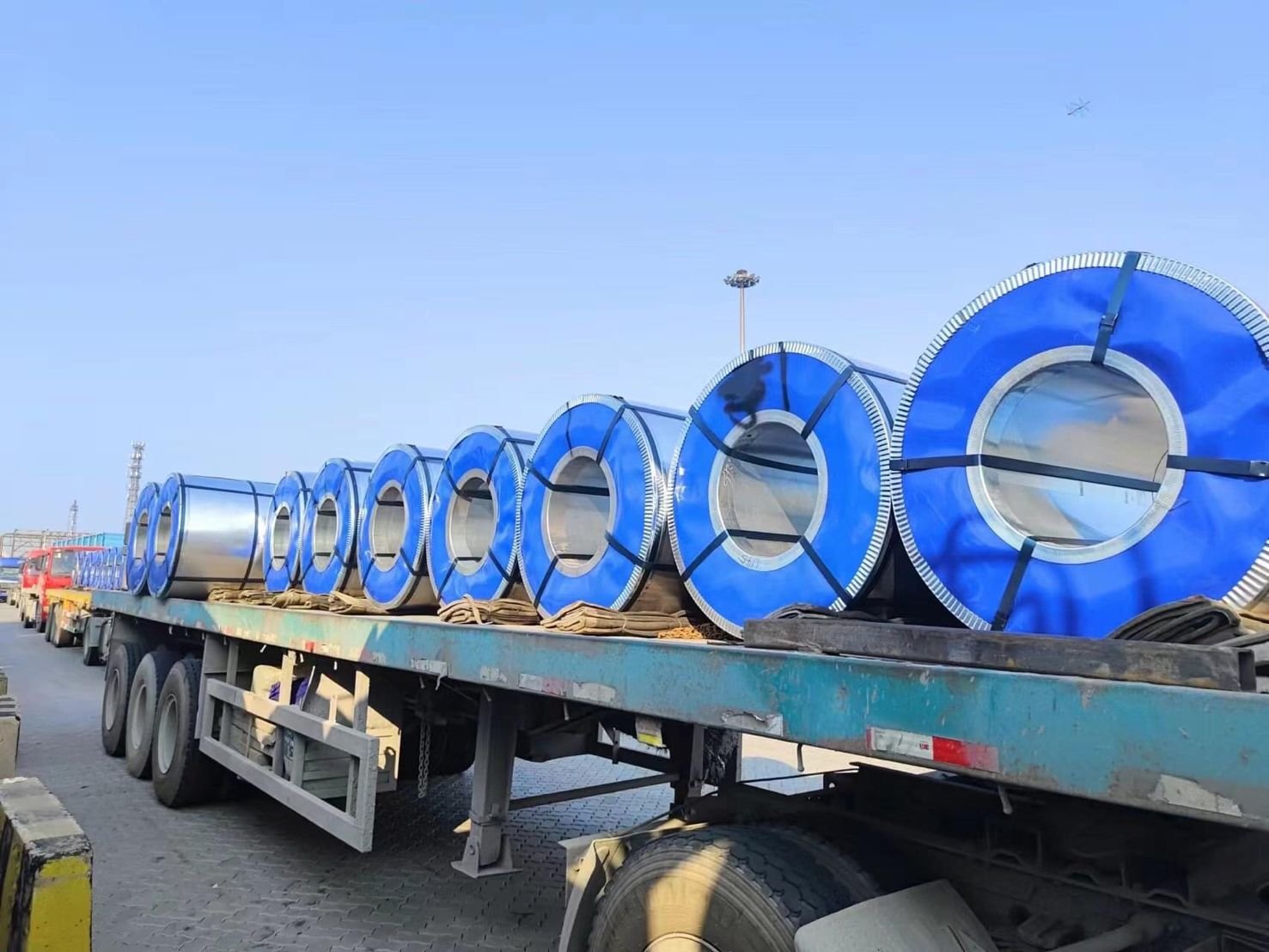
Galvanized coil white rust is a purchasing and warehouse concern because moisture can reach tightly contacting surfaces during transport or storage. A buyer may discover staining only when a coil is opened, making clear records especially valuable. Prevention starts with the delivery plan, but receiving inspection and prompt communication also matter. This guide explains how to organize those checks without assuming that every white mark has the same cause or that visual appearance alone establishes the remaining coating performance.
Understand the moisture problem
Wet storage stain can develop when galvanized surfaces remain wet in close contact with limited air circulation. Moisture may come from direct water entry or condensation. A package that looks dry from outside therefore does not prove that the material has experienced no moisture exposure. The relevant question is how water was excluded, detected and managed through the actual handling route.
The GalvInfo Center describes condensation as a risk when coil and surrounding air conditions change. Its guidance emphasizes keeping material dry throughout the supply chain. Use this as the basis for a coordinated plan between supplier, carrier and receiving warehouse, rather than assigning responsibility to one stage while leaving the other stages undefined. Protection applied at dispatch cannot compensate for every later storage condition.
Agree the protection before shipment
State the expected route, handling points and likely storage duration in the enquiry. Ask the supplier to describe the proposed wrapping, edge protection and any agreed surface treatment. Confirm compatibility with subsequent painting, bonding or forming operations. Do not assume that all passivated or oiled galvanized products are prepared in the same way, or that a treatment automatically satisfies the buyer’s process requirements.
Review whether the delivery arrangements protect the load from water during transit and at transfer points. Temporary unloading or overnight parking can become an important exposure stage. Clarify who will inspect packaging condition when custody changes. The order and transport instructions should describe the agreed protection, while practical loading and securing decisions remain with the competent parties responsible for the shipment.
Prepare the warehouse for the incoming coils
Choose a suitable dry storage area and avoid locations where incoming weather, leaks or condensation are recurring problems. Check the intended supports and handling route before arrival. Confirm that the receiving equipment is appropriate for the actual coil weight and orientation. The warehouse team should know the delivery schedule and be able to move the material promptly to the planned location.
Record the conditions relevant to the warehouse rather than applying a generic instruction to leave every shipment wrapped for a fixed number of hours. Temperature and humidity differences may require a specific receiving procedure. Ask the material and packaging supplier for guidance where the conditions are uncertain. Avoid opening protection simply to speed inspection if doing so would expose the material to an unmanaged moisture risk.
Document the unopened shipment
Take clear photographs of the load, coil labels, wrapping and any visible damage before unpacking. Record the delivery date and identify the vehicle or transport document using your normal receiving system. Note water marks, torn paper, displaced protection or damaged edges as observations. Avoid writing a conclusion about the material inside until that area has been inspected.
Match each coil reference to the order and packing list. If damage affects one package, keep its records distinct from unaffected coils. Photographs without a coil reference are harder to investigate later, especially after labels are removed or material is split between production lines. A simple numbered inspection record helps both parties understand the extent of a concern.
Inspect the material against agreed criteria
When conditions permit opening, examine the relevant surfaces and record the location and extent of any staining. Include an overall view and close photographs with a scale where useful. Keep white deposits, red corrosion, dirt and mechanical damage separate in the report. Appearance alone may not establish the cause or severity, so seek a technical assessment when the condition is uncertain.
Do not automatically accept or reject every stained coil using a universal rule. The agreed product standard, coating requirement, intended use and assessment of the affected material should guide the decision. Where further checks are required, agree the measurement method and sampling plan with the responsible parties. Record any authorized concession and the quantity to which it applies.
Respond promptly to suspected moisture exposure
Notify the supplier and relevant transport party through the agreed reporting process. Include coil references, delivery records and photographs. Seek instructions before applying a cleaning treatment that could change the evidence or affect subsequent processing. The receiving team should also take appropriate steps under its approved procedures to prevent further exposure while the material is being assessed.
Keep affected material identifiable and avoid mixing it with another shipment. If production must continue, obtain a documented decision on which coils may be released and for what use. Maintain the inspection record after material is consumed, since it may help explain later coating, painting or forming questions. Prompt, specific communication is more useful than a general complaint without traceable details.
Improve the next delivery using the findings
Review where the protection system worked and where it was insufficient for the actual route. Consider wrapping damage, transfer points, warehouse conditions and the time between arrival and use. Update the next purchase specification with the relevant requirement rather than simply asking for more packaging. Additional material around a coil does not automatically solve water entry or condensation.
Discuss any proposed change in surface treatment with the processing team. An option that helps one handling stage may create a new cleaning or painting requirement later. Confirm those consequences before the supplier changes the preparation. Purchasing, logistics and production should work from the same accepted order details so that a storage improvement does not become a process compatibility problem.
Request galvanized coil with clear delivery requirements
Include grade, spessore, larghezza, coating designation, surface treatment, coil presentation, quantity and destination in the RFQ. Add packing and receiving requirements for confirmation. Contact QIDAMT at sales@qidamt.com or WhatsApp +86 139 6951 8618. For coating terminology, vedi il nostro zinc coating weight guide. Moisture and condensation background is available in GalvInfoNote 3.2.1.