 ԱՌԱՋԸՆԹԱՑ
Չժանգոտվող պողպատից շերտ: Խառնվածք, Width Tolerance and Stamping
Չժանգոտվող պողպատից շերտ: Խառնվածք, Width Tolerance and Stamping Performance
Stainless steel strip is a cold rolled product supplied in coils or cut lengths, with a width typically below 600 mm and a thickness typically below 3 մմ. It is the material behind stamped parts, աղբյուրներ, hose reinforcement, blade edges, electronic connectors, kitchen utensils and conveyor belts. What separates strip from sheet is not only the width: strip is made to a much tighter thickness and width tolerance, and it is usually ordered by temper rather than by grade alone.
That distinction is where most buying mistakes happen. Երկու պարույր 304 strip can carry the same certificate and the same thickness, and still behave completely differently in a press because one is annealed and the other is quarter hard. The temper decides yield strength, երկարացում, springback, burr formation and tool wear. A buyer who specifies only “304, 0.5 մմ, 100 mm wide” has specified perhaps half of what the press needs.
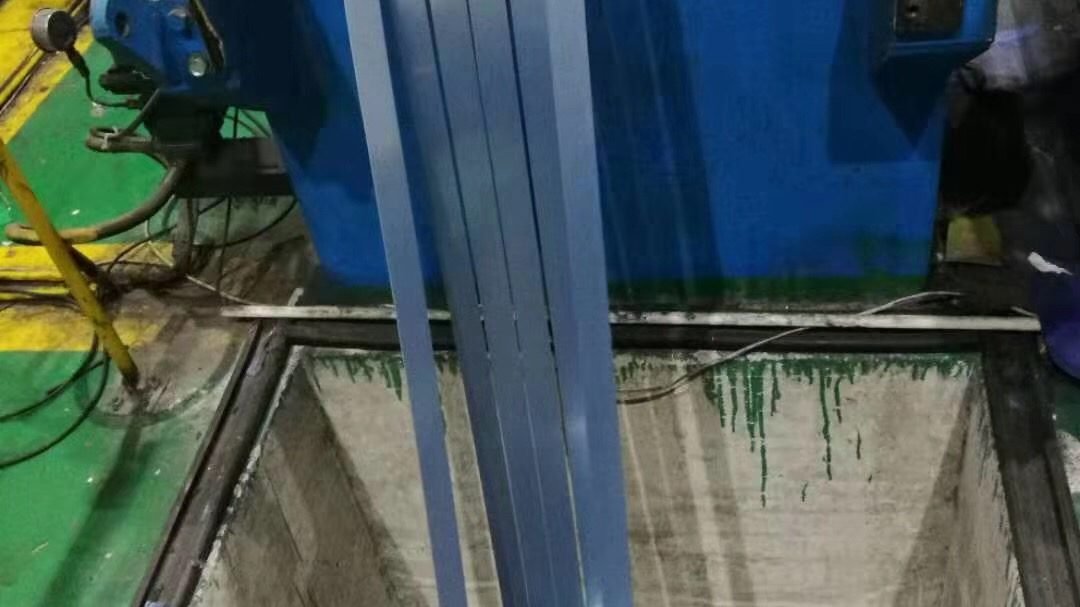
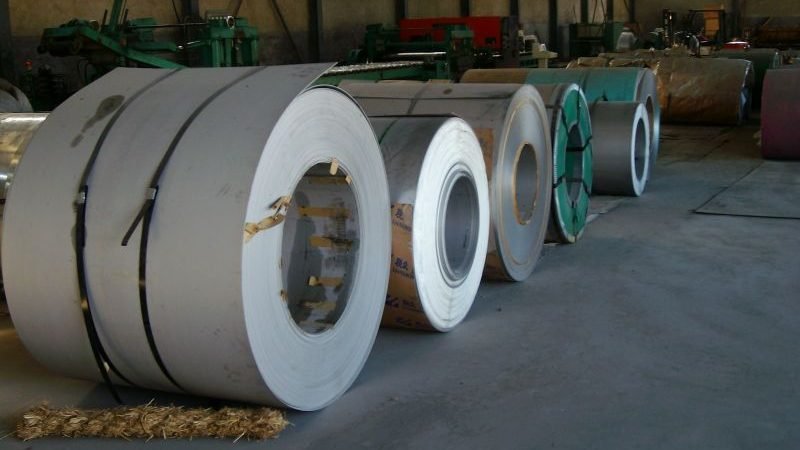
The photographs in this article show a slitting line producing narrow strip from a wide coil, and a row of stainless coils with protective wrapping in a warehouse. The slitting line is where the width tolerance and the edge condition are created, and the coil row is where the temper and surface are preserved or lost, depending on how the material is stored.
1. What Strip Is and How It Is Used
Strip is produced by cold rolling a hot rolled coil down to the required gauge, annealing to restore ductility, then either skin passing to a specified temper or cold rolling further to a harder temper. It is then slit to width. The result is a product with a controlled thickness profile, a controlled surface, and a controlled mechanical property set.
The applications divide into three families. Stamping and forming: միակցիչներ, տերմինալներ, մարտկոցի ներդիրներ, sensor housings, cutlery, խոհարարական սպասք, լվացարաններ. Spring and elastic parts: clips, retaining rings, spring contacts, գուլպաներ սեղմիչներ, watch bands. Functional and decorative: razor blades, saw blades, cable armour, փոխակրիչ գոտիներ, ճարտարապետական հարդարում, hose reinforcement wire.
Each family needs a different balance. Stamping needs consistent thickness and controlled burr, so that the die clearance stays correct over a long run. Spring parts need a high yield strength and low relaxation, which means a hard temper and a stable alloy. Decorative parts need a uniform surface and a consistent grain, which means a controlled anneal and a clean slitting edge.
2. Դասարաններ և քիմիական բաղադրություն
Four grades dominate stainless strip. 304 is the general purpose austenitic grade, with good formability and corrosion resistance. 316L adds molybdenum for chloride resistance and is used in medical, marine and chemical parts. 430 is a ferritic grade used for domestic appliances and automotive trim where deep drawing is moderate and cost matters. 301 is a high work hardening austenitic grade used for springs, because it reaches very high strength after cold rolling.
| Տարր | 304 | 316Լ | 430 | 301 |
|---|---|---|---|---|
| Chromium | 18.0 դեպի 20.0 | 16.0 դեպի 18.0 | 16.0 դեպի 18.0 | 16.0 դեպի 18.0 |
| Նիկել | 8.0 դեպի 10.5 | 10.0 դեպի 14.0 | 0.5 առավելագույնը | 6.0 դեպի 8.0 |
| Մոլիբդեն | not specified | 2.0 դեպի 3.0 | not specified | not specified |
| Ածխածին, առավելագույնը | 0.08 | 0.030 | 0.12 | 0.15 |
| Մանգան | 2.0 առավելագույնը | 2.0 առավելագույնը | 1.0 առավելագույնը | 2.0 առավելագույնը |
| Կառուցվածք | Աուստենիտիկ | Աուստենիտիկ | Ferritic | Աուստենիտիկ, meta-stable |
The low carbon content of 316L is not a small detail. Strip is often welded or laser cut, and a low carbon grade resists sensitisation in the heat-affected zone. Ա 316 strip with 0.08 percent carbon can precipitate chromium carbides at the grain boundaries after welding and then corrode intergranularly in a chloride environment, even though the surface looks perfect.
3. Temper and Mechanical Properties
Temper is the controlled amount of cold work left in the strip after the final rolling pass. The O temper is fully annealed and soft. The H tempers are work hardened, and the number indicates how far along the hardening curve the material sits. For strip, the common designations are quarter hard, կես կոշտ, three quarter hard and full hard.
| Խառնվածք | Առաձգական ուժ (ՄՊա) | Ելքի ուժ (ՄՊա) | Երկարացում (%) | Տիպիկ օգտագործում |
|---|---|---|---|---|
| Հալեցված, 304 | 520 դեպի 720 | 205 ր | 40 ր | Խորը նկարչություն, severe forming |
| Քառորդ դժվար, 304 | 780 դեպի 900 | մասին 600 | 20 դեպի 25 | General stamping, կռում |
| Կես դժվար, 304 | 930 դեպի 1050 | մասին 760 | 12 դեպի 18 | Stiff parts, light spring |
| Լրիվ կոշտ, 304 | 1100 դեպի 1300 | մասին 950 | 4 դեպի 8 | Blades, high strength parts |
| Հալեցված, 316Լ | 485 դեպի 680 | 170 ր | 40 ր | Medical, ծովային, քիմիական |
| Հալեցված, 430 | 450 դեպի 600 | 205 ր | 22 ր | Appliance panels, կտրել |
| Լրիվ կոշտ, 301 | 1400 դեպի 1800 | 1100 դեպի 1400 | 2 դեպի 5 | Աղբյուրներ, clips, retaining rings |
These values are typical ranges for strip thicknesses in the common range. They are not a substitute for the mill certificate, and they shift with thickness, լայնությունը, rolling direction and the exact chemistry. The important relationship is the trade-off: as temper rises, yield strength rises and elongation falls. A full hard strip is not a better version of a quarter hard strip; it is a different product for a different job.
Springback follows the same relationship. A harder temper bends less for the same punch radius and springs back more when released. A die set up for quarter hard material will produce a different bend angle when it runs full hard, and the difference can be several degrees on a 90 degree bend. This is why a press shop should lock the temper, not just the grade and thickness, before a production run is released.
4. Հաստություն, Width and Edge Tolerance
| Պարամետր | Typical range or tolerance | Comment |
|---|---|---|
| Հաստություն | 0.05 դեպի 3.0 մմ | Below 0.1 mm is foil; tolerance is a percentage of gauge |
| Thickness tolerance | plus or minus 5 դեպի 10 տոկոսը | Tighter bands are available by negotiation |
| Լայնությունը | 10 դեպի 600 մմ | Slit from wider coil; narrower widths cost more per tonne |
| Լայնության հանդուրժողականություն | plus or minus 0.1 դեպի 0.3 մմ | Depends on width, thickness and slitter condition |
| Burr height | 0.05 mm max, 0.02 mm on request | Burr direction matters for stamping and for safety |
| Քեմբեր | 1 դեպի 3 mm per 2 մ | Camber causes strip to run off-centre in a press |
| Coil inner diameter | 508 մմ կամ 610 մմ | Must match the uncoiler mandrel |
| Կծիկի քաշը | 1 դեպի 3 տոննա | Small coils suit small presses and short runs |
| Edge condition | ճեղքված եզր, rolled edge, փչացած | Rolled edge is rounded and safer to handle |
The width tolerance deserves more attention than it usually gets. A strip ordered at 100 mm with a plus or minus 0.3 mm tolerance can be 99.7 կամ 100.3, and a stamping die that uses the strip edge as a datum will produce a part that shifts by 0.3 mm from coil to coil. If the part has a tight edge-to-feature dimension, the strip edge should not be the datum; the strip should be guided by a roller or a pilot, and the tolerance should be tightened to plus or minus 0.1 մմ.
Burr direction is another detail that decides success. Slitting produces a burr on one side of the strip, and the burr direction is set by the knife arrangement. In a progressive die, the burr can affect stacking, welding and coating. For a part that will be painted or laminated, the burr should be on the side that will not be visible, and the coil should be fed with the correct orientation.
5. How Strip Is Made
Production starts with a wide hot rolled coil, which is pickled to remove mill scale and then cold rolled on a reversing mill or a tandem mill. Cold rolling reduces thickness and work hardens the metal. The coil is then annealed, either in a batch furnace or in a continuous bright annealing line. Bright annealing is the process used for strip that must have a clean, oxide-free surface: the coil passes through a controlled hydrogen-nitrogen atmosphere at about 1050 դեպի 1150 degrees Celsius and cools without contact with air.
After annealing, the strip is skin passed on a temper mill. A small reduction, սովորաբար 0.5 դեպի 2 տոկոսը, flattens the strip, sets the surface finish and stabilises the mechanical properties. The skin pass is also where the surface texture is created: a matte roll gives a dull finish, a bright roll gives a reflective finish, and a patterned roll gives a textured finish.
Slitting is the last step. The wide coil is unwound, passed through a set of circular knives, and rewound into narrow coils. The knife clearance and the knife overlap decide the cut quality. Too much clearance produces a torn edge and a large burr; too little clearance produces excessive knife wear and a rolled-over edge. A well set slitter produces a square edge with a burr under 0.05 մմ, and the strip runs true without camber.
For very narrow strip, the material may be slit from a coil that was already slit, which is called double slitting. Each slitting pass adds a little camber and a little burr, so the number of passes should be minimised for precision parts.
6. Selection Rules
Start from the forming operation. Խորը նկարչություն, severe stretching or spinning needs the annealed O temper. General stamping and bending needs quarter hard. A part that must hold a shape without a spring needs half hard or full hard, and a spring needs 301 in a hard temper.
Match the die clearance to the temper. A hard temper shears differently from a soft one. The die clearance should be about 5 դեպի 8 percent of thickness for annealed 304, and slightly more for hard tempers. Using a die set up for soft material on full hard strip produces a larger burr, a higher punching force and faster tool wear.
Specify thickness tolerance, not just nominal thickness. Ա 0.5 mm strip with a plus or minus 10 percent band is 0.45 դեպի 0.55 մմ, which is a 20 percent spread. For a precision stamping, that spread is the difference between a good part and a rejected part. Tighten the band and expect to pay for it.
Specify the edge. Կտրվածքի եզր, deburred edge and rolled edge are three different products. A rolled edge is safer to handle and better for a part that will be touched, but it costs more and cannot hold a sharp dimension.
Consider the corrosion environment. 304 is adequate for indoor and fresh water service. 316L is the grade for chlorides, medical instruments and marine parts. 430 is for dry indoor appliances and should not be used outdoors or in wet service.
Consider magnetic response. Austenitic strip is nominally non-magnetic, but cold working makes it slightly magnetic. A full hard 304 strip will attract a magnet at the slit edge. If the part must be non-magnetic, the temper and the amount of cold work must be specified, and the part should be annealed after forming.
7. Handling and Storage
Strip is easily damaged and the damage is often invisible until the part is formed. A coil that has been dropped can have a deformed edge that will not run true through a press. A coil that has been stored without wrapping can have a water stain that will show through a brushed or polished finish. A coil that has been stored on its side can have a flat spot that produces a periodic thickness variation.
Coils should be stored on their edge, on a dry, flat floor, with the original wrapping intact. They should not be stacked on top of each other without a cradle, because the weight of the stack deforms the lower coils. They should be kept away from condensation, which means away from external walls and away from areas where the temperature swings across the dew point.
When a coil is opened, it should be used within a reasonable period. The protective film or paper is there to prevent mechanical damage and moisture contact, and once it is removed the strip is exposed. A part-finished coil that sits open for weeks in a humid shop will develop edge staining, particularly on 430 and on 304 with a bright finish.
In the press shop, strip should be fed from a decoiler with a proper loop and a straightener. Feeding directly from a coil without a straightener puts a bend set into the strip, and the part will be bowed even though the blank was flat. The straightener setting should be checked on the first piece, not assumed from the last job.
8. Ընդհանուր սխալներ
Ordering by grade and size only. Temper is a required specification, not an optional extra. Two coils with the same certificate and the same dimensions can behave differently in the press.
Using annealed strip for a spring. The yield strength is too low, and the part will take a permanent set. Օգտագործեք 301 in a hard temper or a precipitation hardening grade.
Using full hard strip for a bend. The elongation is only a few percent, and the bend will crack at the outside radius. Bend in a softer temper or increase the radius.
Ignoring burr direction. Burr on the visible side ruins the finish; burr on the tool side can damage the die. Specify the direction and control the slitter setup.
Treating width tolerance as a formality. Ա 0.3 mm variation is enough to shift a part that is guided by the strip edge. Use a roller guide and tighten the tolerance.
Storing coils on their side. The coil takes a flat spot, and the strip will not run true. Store on edge, in a cradle.
Using 304 in a chloride environment. Pitting appears at the slit edge and in the weld zone. Use 316L.
Ենթադրելով 304 is non-magnetic. Cold work makes it slightly magnetic. If the part must be non-magnetic, specify the condition and anneal after forming.
9. Հաճախակի տրվող հարցեր
What is the difference between strip and sheet? Width and tolerance, mainly. Strip is narrower, usually under 600 մմ, and is made to tighter thickness and width tolerances with a controlled edge. Sheet is wider and is usually specified by gauge and surface rather than by temper.
What does quarter hard mean? It means the strip has been cold rolled to about a quarter of the way along the work hardening curve. It is stronger than annealed and still formable, and it is the common temper for general stamping.
Can I anneal hard strip myself? Այո՛, in a controlled atmosphere furnace, but the surface will oxidise unless the atmosphere is right, and the strip may distort. Bright annealing is a mill process, and re-annealing in a shop usually degrades the finish.
Why does my stamped part crack at the edge? The burr from slitting is a stress raiser, and a hard temper has little ductility left. Deburr the strip, increase the die clearance, or use a softer temper.
What is the standard coil inner diameter? 508 մմ և 610 mm are the two common sizes. The coil must match the uncoiler mandrel, and an adapter is needed if it does not.
How tight can the width tolerance be? Plus or minus 0.1 mm is achievable on a well maintained slitter for moderate widths. Below that, the cost rises sharply and the edge quality becomes the limiting factor.
Է 430 strip magnetic? Այո՛. It is a ferritic grade and is magnetic in all conditions. That is an advantage for some appliance parts and a problem for others.
Can 316L strip be used for medical parts? Այո՛, and it is common. The low carbon content and the molybdenum addition give good corrosion resistance and weldability, and the surface can be passivated or electropolished.
What causes camber in slit strip? Uneven knife clearance, a worn slitter, or a coil with an uneven edge. Camber makes the strip run off-centre and is measured over a two metre length.
How is strip packed for export? Usually on a wooden pallet or in a cradle, wrapped in VCI paper and plastic film, with edge protectors and steel strapping. The packing must keep the coil off the floor and keep moisture out.
Need stainless strip in a specific temper and width?
Send the grade, բնավորություն, հաստությունը, լայնությունը, եզրային վիճակ, coil size and quantity. We will confirm the slitting programme, the tolerance band and the mill certificate, and quote against the temper your press actually needs.
Related reading: 304 2B stainless steel coil · 304 2B stainless sheet · 316L stainless plate

