 ԱՌԱՋԸՆԹԱՑ
316L Stainless Steel Tube: Պատի հաստությունը, Pickling and Marine Service
316L stainless steel tube is the molybdenum bearing austenitic tube grade used where chlorides, brackish water, coastal atmosphere or process chemicals would attack a 304 tube within a few months. It is a small chemical change, roughly two to three percent molybdenum against a lower carbon ceiling, and a large commercial one: the tube costs more, welds differently, and cannot be judged by the same surface rules that apply to ordinary stainless tube.
Buyers usually arrive at 316L tube through a failure. Ա 304 tube on a seaside project starts to show tea coloured stains along the weld, a heat exchanger bundle pits at the tube sheet, or a handrail on a coastal walkway rusts at the fixings. This guide explains what 316L tube is, which wall thickness and tolerance the standards actually control, why pickling and passivation matter more than the surface finish, and how to specify tube for marine and process service without overpaying for a grade that the environment does not need.
1. What 316L Stainless Steel Tube Is and Where It Is Used
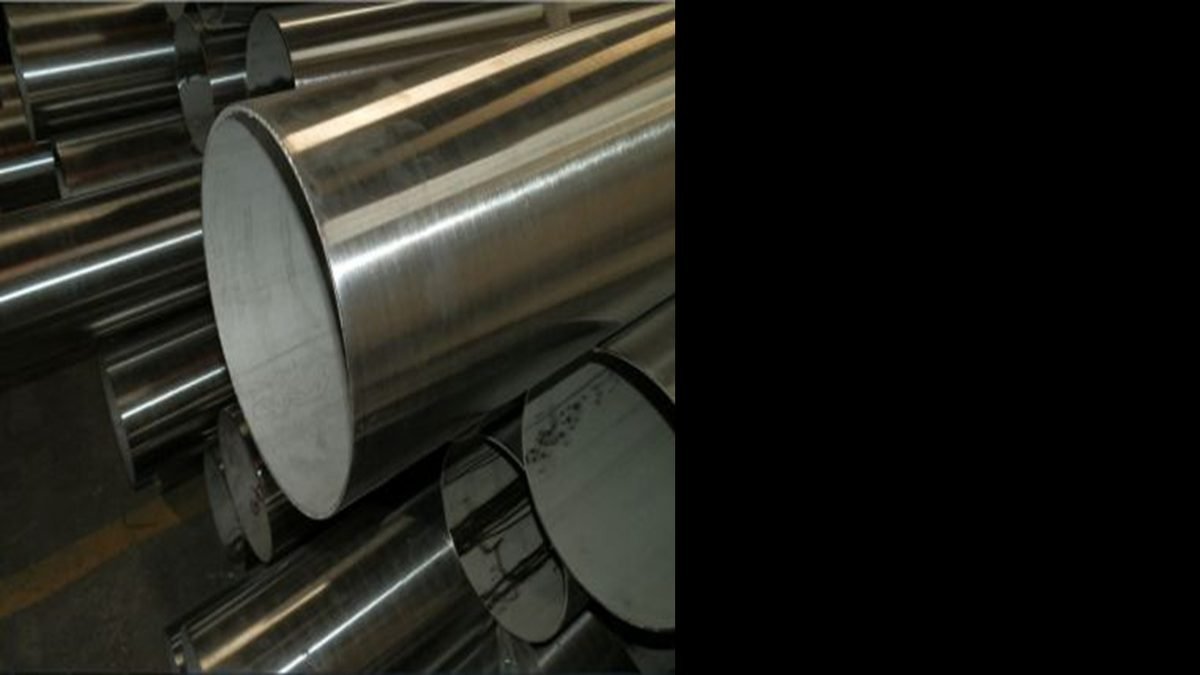
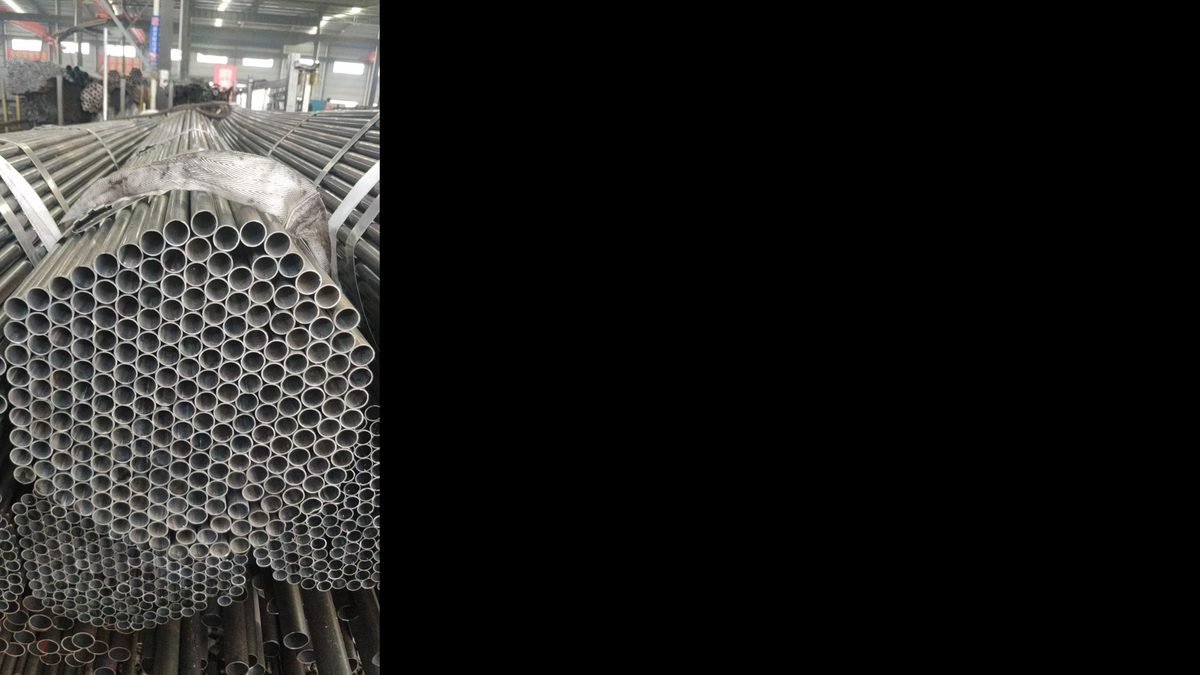
316L tube is a hollow section produced either by welding strip into a round or square tube and drawing or sizing it, or by piercing and rolling a solid billet into a seamless tube. Both routes exist for 316L, and both are usually supplied in the annealed and pickled condition, because the welding and rolling operations leave oxide scale and a chromium depleted layer that must be removed before the tube can passivate properly.
The grade designation breaks down simply: 316 is the base austenitic grade with molybdenum, and the L suffix means low carbon, with a maximum of 0.030 percent carbon instead of 0.08 տոկոսը. The lower carbon is not about strength. It is about preventing chromium carbide precipitation in the heat affected zone of a weld, which would otherwise leave a narrow band depleted in chromium and ready to corrode in the presence of chlorides.
Typical applications include:
- Marine and coastal handrails, սանդուղքներ, balustrades and walkway frames.
- Սնունդ, dairy and brewery process lines where cleaning chemicals contain chlorides.
- Pharmaceutical and cosmetic piping, including CIP and SIP circuits.
- Heat exchanger tubes, condensers and cooling coils in brackish or seawater service.
- Chemical plant piping for dilute acids, salts and oxidising mixtures.
- Desalination and water treatment skids, where 304 fails early.
- Architectural tube in coastal cities, particularly near the shoreline where salt spray reaches the facade.
316L tube is not a universal answer to corrosion. It is resistant to chlorides up to a point, and it will still pit in stagnant seawater, in high chloride process streams at elevated temperature, or under deposits that create a crevice. Where those conditions exist, the correct answer is a super duplex or a 6 percent molybdenum grade, not a thicker 316L wall.
2. Grade and Chemical Composition
316L is defined in ASTM A312 for seamless and welded pipe, ASTM A269 and A270 for sanitary tube, IN 10217-7 for welded pressure tube, JIS G3448 and GB/T 12771 for welded tube. The chemistry is tightly specified because the molybdenum and chromium balance is what buys the chloride resistance.
| Տարր | 316L limit (%) | Ինչու է դա կարևոր |
|---|---|---|
| Գ | 0.030 առավելագույնը | Prevents sensitisation of the weld heat affected zone |
| Եվ | 0.75 առավելագույնը | Weld pool fluidity and slag control |
| Մն | 2.00 առավելագույնը | Austenite balance, nitrogen solubility |
| Պ | 0.045 առավելագույնը | Hot cracking in the weld |
| Ս | 0.030 առավելագույնը | Penetration and weld cleanliness |
| Քր | 16.0 դեպի 18.0 | Passive film; lower chromium than 304 by design |
| Մեջ | 10.0 դեպի 14.0 | Austenite stability, toughness, acid resistance |
| Մո | 2.00 դեպի 3.00 | Chloride pitting resistance; the defining addition |
| Ն | 0.10 առավելագույնը | Ուժ, pitting resistance in small amounts |
A useful check on a mill certificate is the pitting resistance equivalent number, calculated as chromium plus 3.3 times molybdenum plus 16 times nitrogen. For 316L with 17 տոկոս քրոմ, 2.2 percent molybdenum and 0.05 տոկոս ազոտ, the value is about 25. Համար 304 հետ 18.5 տոկոս քրոմ, the value is about 18.5. That gap is the whole reason 316L survives a coastal site where 304 stains within a season.
A second check is the molybdenum content itself. Some mills work close to the 2.0 percent floor to save cost. That is legal, but it leaves the tube with much less reserve for chloride service, and a certificate showing 2.05 percent molybdenum should be read as a commercial grade rather than a marine grade.
3. Մեխանիկական հատկություններ
| Սեփականություն | Տիպիկ արժեք | Standard minimum | Engineering note |
|---|---|---|---|
| Tensile strength Rm | 580 դեպի 650 ՄՊա | 485 ՄՊա | Lower than 304; design to the minimum |
| Yield strength Rp0.2 | 230 դեպի 290 ՄՊա | 170 ՄՊա | Low yield makes thin walls prone to denting |
| Elongation A50 | 45 դեպի 55 % | 35 % | Bend radius for handrail curves |
| Hardness HRB | 75 դեպի 88 | 90 առավելագույնը | Threading and machining behaviour |
| Խտություն | 7.93 գ/սմ3 | Reference value | Weight per metre of tube |
| Elastic modulus | 193 GPa | Reference value | Deflection of long spans and railings |
| Thermal expansion | 16.5 x 10⁻⁶ /Կ | Reference value | Weld shrinkage and fit up |
| Ծառայության ջերմաստիճանը | Մինչև 400 °C continuous | Grade dependent | Վերևում 500 °C consider a stabilised grade |
The low yield strength is the property most often ignored in tube selection. A 316L handrail tube with a 1.5 mm wall will deflect more under a leaning crowd than a 304 tube of the same section, not because the material is weaker in service but because the design was checked against the higher typical value instead of the minimum. For structural tube, the wall thickness should be chosen against the minimum yield and the actual span, not against the catalogue value.
4. Չափերը և հանդուրժողականությունները
Tube tolerances are controlled by the standard named on the order, and the differences between standards are large enough to matter. The table below gives the commercial range normally quoted for 316L round tube in welded and seamless supply.
| Պարամետր | Common range | Typical tolerance | Նշում |
|---|---|---|---|
| Արտաքին տրամագիծը | 6 դեպի 219 մմ | գումարած կամ մինուս 0.15 mm below 25 մմ, գումարած կամ մինուս 0.5 percent above | Fittings and ferrules need the tight end |
| Պատի հաստությունը | 0.8 դեպի 12 մմ | գումարած կամ մինուս 10 տոկոսը, or plus or minus 12.5 percent for seamless | Pressure design uses the minimum wall |
| Երկարություն | 6 մ ստանդարտ, 5.8 m for containers | 0 to plus 10 մմ | Cut length agreed for sanitary tube |
| Ուղիղություն | Over full length | 1.5 մմ մեկ մետրի համար, 6 mm over 6 մ | Affects orbital welding alignment |
| Ovality | Round tube | 80 percent of diameter tolerance | Crushed tube ends leak at compression fittings |
| Square tube corner radius | 20 դեպի 50 mm section | 2.0 դեպի 3.0 times wall thickness | Sharp corners concentrate stress |
The wall tolerance is the number to argue about. Ա 2 mm wall with a minus 10 percent tolerance is 1.8 mm at the thin point, and a pressure calculation based on 2 mm is then optimistic by 10 տոկոսը. For sanitary tube, the wall is often specified as a minimum plus a surface roughness limit, because the bore is the product contact surface and cannot be ground after assembly.
Cutting and end preparation deserve the same attention. Tube cut on a band saw leaves a burr on the bore, and that burr becomes a crevice in service and a turbulence point in a sanitary line. Tube cut on a lathe with a carbide tool and a chamfer produces a clean end that seals against a ferrule. For orbital welding, the end face must be square to within half a degree, otherwise the arc gap varies around the circumference and the weld bead becomes uneven. A tube that is out of square by 0.5 mm on a 25 mm diameter will show a visible step at the joint, and no amount of welding skill will make that joint hygienic.
5. Թթու վարունգ, Passivation and Weld Cleaning
A 316L tube leaves the mill with a heat tinted weld seam and, in the case of seamless tube, a mill scale that has been pickled but not necessarily passivated. The difference between a tube that lasts ten years on a sea wall and one that shows rust in six months is usually not the chemistry of the steel. It is the state of the surface.
Թթու վարունգ removes the oxide scale and the chromium depleted layer beneath it, using a nitric hydrofluoric acid mixture or a pickling paste on site. It leaves a clean, slightly matte surface. Պասիվացում follows pickling and rebuilds the passive film, usually with nitric acid or citric acid, without removing metal. The two operations are different and one does not replace the other.
For welded tube, three zones need attention: the weld bead itself, the heat affected zone either side of it, and the bore side if the tube is welded without backing gas. A tube welded with poor argon coverage will have a black or blue oxide on the inside, and no amount of external pickling will fix it. Sanitary tube is therefore specified with a bore purge and an inspection of the internal weld colour.
Կայքում, pickling paste is often applied and then washed off too quickly, or applied in the wrong weather and allowed to dry. Both leave a smeared, partly cleaned surface that looks acceptable in daylight and fails within a year. The practical rule is to brush the paste on, let it react for the time stated by the manufacturer at the ambient temperature, remove it with a stainless wire brush, and rinse with clean water until the litmus check is neutral.
6. Selection Rules for Marine and Process Service
The following rules are the ones that separate a specification that works from one that merely names 316L.
- Specify 316L, not 316, for anything welded. The L is what protects the heat affected zone, and the price difference is small.
- Require a molybdenum content above 2.5 percent for coastal and chloride service, and read the certificate rather than the grade stamp.
- For handrails and balustrades within 500 m of the shoreline, use a wall of at least 1.5 mm and specify pickling and passivation of every weld, including site welds.
- For sanitary tube, specify bore roughness Ra below 0.8 micrometre, internal weld purge, and a borescope inspection record.
- Do not mix 316L tube with carbon steel supports without an insulating washer or a painted interface. Contact with carbon steel is a classic crevice corrosion starter.
- For heat exchanger tubes in seawater, 316L is a marginal choice. Specify a super duplex or a 6Mo grade, or accept a short tube life.
- Keep the tube dry in storage. Standing water in the bore of a horizontal tube creates a differential aeration cell that pits even a good 316L.
Where the tube will be welded to a 316L plate, the plate specification should follow the same logic. Այն 316L չժանգոտվող պողպատից ափսե page covers thickness tolerance and cutting for the matching plate, and the weld procedure should be qualified across both products rather than only the tube.
7. Common Misconceptions
Misconception one: 316L never rusts. It resists chlorides better than 304, but it pits in stagnant seawater, corrodes under deposits, and fails at the weld if the surface was not restored. The grade buys time, not immunity.
Misconception two: a magnet test proves the grade. Annealed 316L is essentially non magnetic, but cold drawn tube and ground weld caps become slightly magnetic. A magnet cannot distinguish 316L from 304, and it cannot detect molybdenum.
Misconception three: pickling paste is optional on site welds. Site welds carry the worst heat tint because shielding is poor. Leaving them unpickled is the single most common cause of early rust streaks on coastal railings.
Misconception four: thicker wall compensates for a lower grade. Wall thickness does not change the pitting resistance of the surface. A thicker 304 tube will still pit at the same chloride level, it will simply take longer to perforate.
Misconception five: 316 and 316L are interchangeable. They are interchangeable only where nothing is welded and no elevated temperature is involved. In welded tube, 316 can sensitise and lose corrosion resistance in the weld zone.
8. Հաճախակի տրվող հարցեր
What is the difference between 316L seamless and welded tube?
Seamless tube has no weld seam and is made by piercing a billet, so it carries higher pressure ratings and no seam corrosion risk. Welded tube is made from strip, has a seam that must be pickled, and is cheaper in small sizes.
What wall thickness should I use for a coastal handrail?
Ա 1.5 mm wall in 42.4 մմ կամ 48.3 mm diameter is the usual minimum, and many specifiers use 2 mm for public areas because the tube is exposed to impact and cleaning. Ստորև 1.5 mm the tube dents easily and the weld pulls.
Does 316L tube need to be passivated after delivery?
Mill pickled tube is normally passivated at the mill. Once it is cut and welded on site, the new welds and any ground areas need pickling and passivation again.
Can 316L tube be used for drinking water?
Այո՛, and it is widely used for potable water and food contact. The tube should be supplied clean, capped, and with a certificate that matches the standard the authority requires.
Why do welds on 316L show blue or black colour?
That is heat tint from oxidation during welding, caused by insufficient shielding gas or too much heat input. It must be removed by pickling, because the tinted layer is chromium depleted.
Is 316L suitable for swimming pool structures?
Chlorinated pool water is a demanding environment, and 316L is used but with a short inspection interval. Higher molybdenum grades are the safer choice for pool halls and water features.
How should 316L tube be stored on site before installation?
Under cover, on timber or plastic racks, with the ends capped and the bore dry. Do not store it on the ground, do not stack it against carbon steel, and do not leave it where cutting dust from carbon steel can settle on the surface, because iron contamination is the most common cause of rust spots on new stainless.
What is the maximum length normally shipped in a container?
5.8 m fits a 20 foot container and 6 m tube is normally shipped in a 40 foot high cube with the doors clear. Longer lengths need flat rack or break bulk, and the freight premium usually outweighs the saving on site cutting.
9. Next Step
If you are specifying 316L tube, state the standard, the outside diameter and wall with a minimum value, the service environment, whether the bore is product contact, and the pickling and passivation requirement for welds. Those details decide whether the tube you receive performs in the environment you designed for.
Related product pages: 316L չժանգոտվող պողպատից ափսե, 304 stainless steel sheet 2B finish.