 PROGRESO
How to Prepare a Copper Strip RFQ for QIDAMT
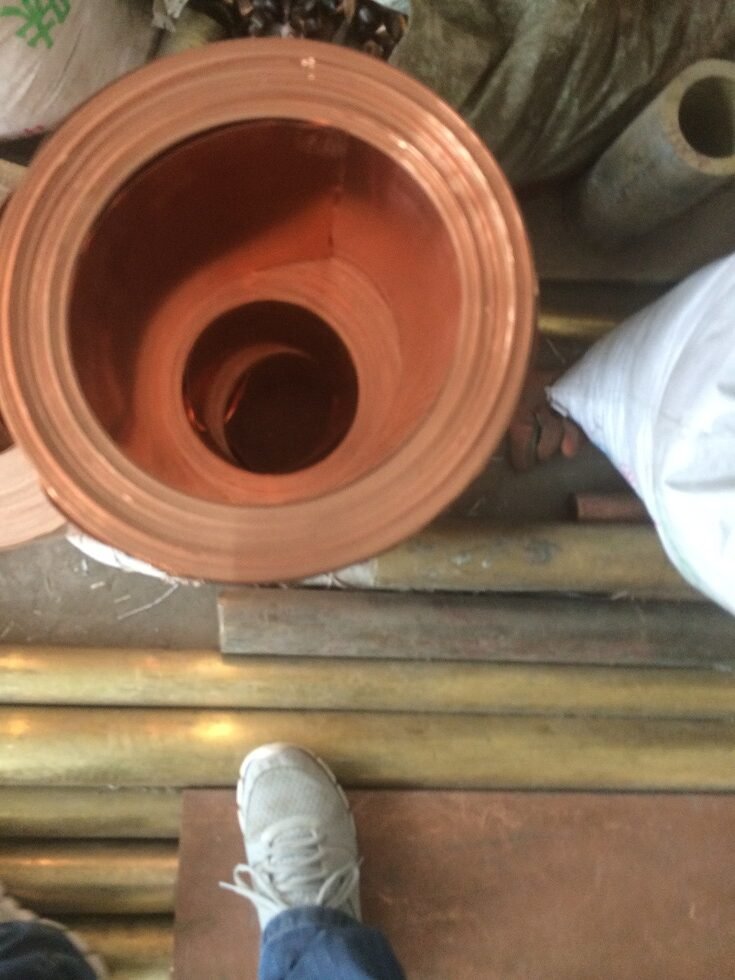
A complete copper strip RFQ helps the buyer and supplier discuss the same product from the first quotation. The description copper strip is not enough to establish alloy, material condition, dimensional requirements or suitability for a production process. Electrical components, formed parts and decorative work can have very different priorities. This QIDAMT enquiry guide explains the information to send, how to identify optional requirements and what to confirm before approving an order. Supply options, minimum quantities and delivery remain subject to the actual specification.
Describe the component and its function
Explain how the strip will be used and which properties matter to the finished part. A buyer requesting material for electrical connections may prioritize conductivity and joint performance, while a formed component may place more emphasis on bend behaviour and dimensions. If the strip is visible after assembly, surface appearance may also be important. State these needs directly instead of expecting the supplier to infer them from the material name.
Provide a drawing or part sketch when it helps explain the requirement. Identify the revision and mark any critical features. Separate requirements for the raw strip from dimensions created later by stamping, forming or machining. The supplier should understand which characteristics must be achieved in the delivered material and which belong to the customer’s production process.
Specify the copper designation and standard
Use the recognized designation required by the design or purchasing specification. Include the applicable product standard and edition where required. Avoid describing material only as pure copper or red copper, because those commercial expressions do not define every property needed for acceptance. If an equivalent grade is proposed, ask for the technical basis and obtain approval before accepting it.
Do not substitute another copper family solely because its appearance is similar. Where oxygen content, joining behaviour or another characteristic matters, provide the actual requirement. If the purchaser has not selected the grade, identify the application and request information for technical review rather than asking the supplier to guarantee an undefined performance outcome. The approved selection should be recorded in the final order.
Include temper and forming requirements
Specify the required temper using the system associated with the chosen standard. The words soft, half hard and hard may be used commercially, but they should be connected to an agreed designation and acceptance requirement. State whether the strip will be bent, stamped, drawn or formed through another operation. Include any relevant bend direction, radius or tooling restriction from the component design.
The Copper Development Association describes temper as an indication of a metal’s degree of hardening within the applicable specification. For purchasing, the practical point is to order the material condition as carefully as the alloy. An apparently correct grade in an unsuitable condition can create production problems. If a trial is needed, agree the quantity and assessment method before committing the full order to production.
Define thickness, width and edge requirements
Write nominal thickness and width together with their permitted tolerances. Identify the measurement method for any special requirement. If a finished part is sensitive to strip tracking or edge condition, explain that concern and specify the relevant criterion. Avoid using precision strip as a substitute for an actual tolerance. A description that sounds strict can still leave the acceptance basis unclear.
Discuss burrs, edge shape and any requested edge treatment separately. State whether the quoted material is expected to have normal slit edges or additional processing. If camber or another shape characteristic affects feeding, include the limit and measurement arrangement. The supplier should confirm what can be achieved for the requested dimensions, material condition and order quantity.
State electrical and surface requirements explicitly
When conductivity is a requirement, give the specified value, unit, reference conditions and test requirement. Do not assume that every copper product automatically satisfies the same electrical specification. Identify whether results must appear on the material certificate or in a separate report. Purchasing should confirm those documents with the technical team before comparing quotations.
Describe the surface condition required for the next process. Plating, soldering, bonding and visible decorative work may need different preparation or cleanliness requirements. Ask for confirmation of any protective treatment and its compatibility with the customer’s process. A bright photograph does not establish the condition of every delivered surface, so use an agreed inspection description or sample where appearance is critical.
Match coil presentation to handling equipment
State the preferred delivery form, maximum coil weight, inside diameter and any outside diameter restriction. Include winding and orientation requirements where these affect feeding or unloading. Confirm whether the order permits multiple coil sizes and how quantity variation will be handled. These details help avoid a delivery that meets the material specification but cannot be used efficiently on the customer’s equipment.
Specify joint restrictions and identification requirements if they matter. Labels should allow the customer to match each coil to the packing list and relevant material records. If coils will be split between different jobs, decide how that identification will be retained. Good traceability is easier to maintain when it is planned before processing rather than reconstructed after the original labels have been discarded.
Agree packing and acceptance records
Describe the destination and expected handling route. Ask the supplier to confirm the proposed protection for the strip faces and edges. Identify any restriction on packing materials that may affect the surface or the customer’s unpacking process. Packaging should be evaluated against the actual route and equipment, not selected only from a generic description of export packing.
At receipt, document the unopened package, labels and any visible damage before releasing the material. Check dimensions and appearance using the agreed inspection plan. If a concern is found, record the coil reference, measurement location and process stage. This gives QIDAMT a useful basis for investigation and helps distinguish incoming material concerns from changes introduced during handling or fabrication.
Send the enquiry in one complete package
Include the grade, estándar, temperamento, espesor, ancho, tolerancias, quantity, coil presentation, surface requirements, test documents and destination. Attach the current drawing revision and mark any permitted alternatives. Ask for separate confirmation of availability, Procesando, minimum order and lead time. Contact sales@qidamt.com or WhatsApp +86 139 6951 8618. For background on temper terminology, see the Copper Development Association's technical publication. Requirements for a particular application should follow its agreed product standard.