 FORTSCHRITT
Steel Plate Export Packing: Information to Confirm with QIDAMT
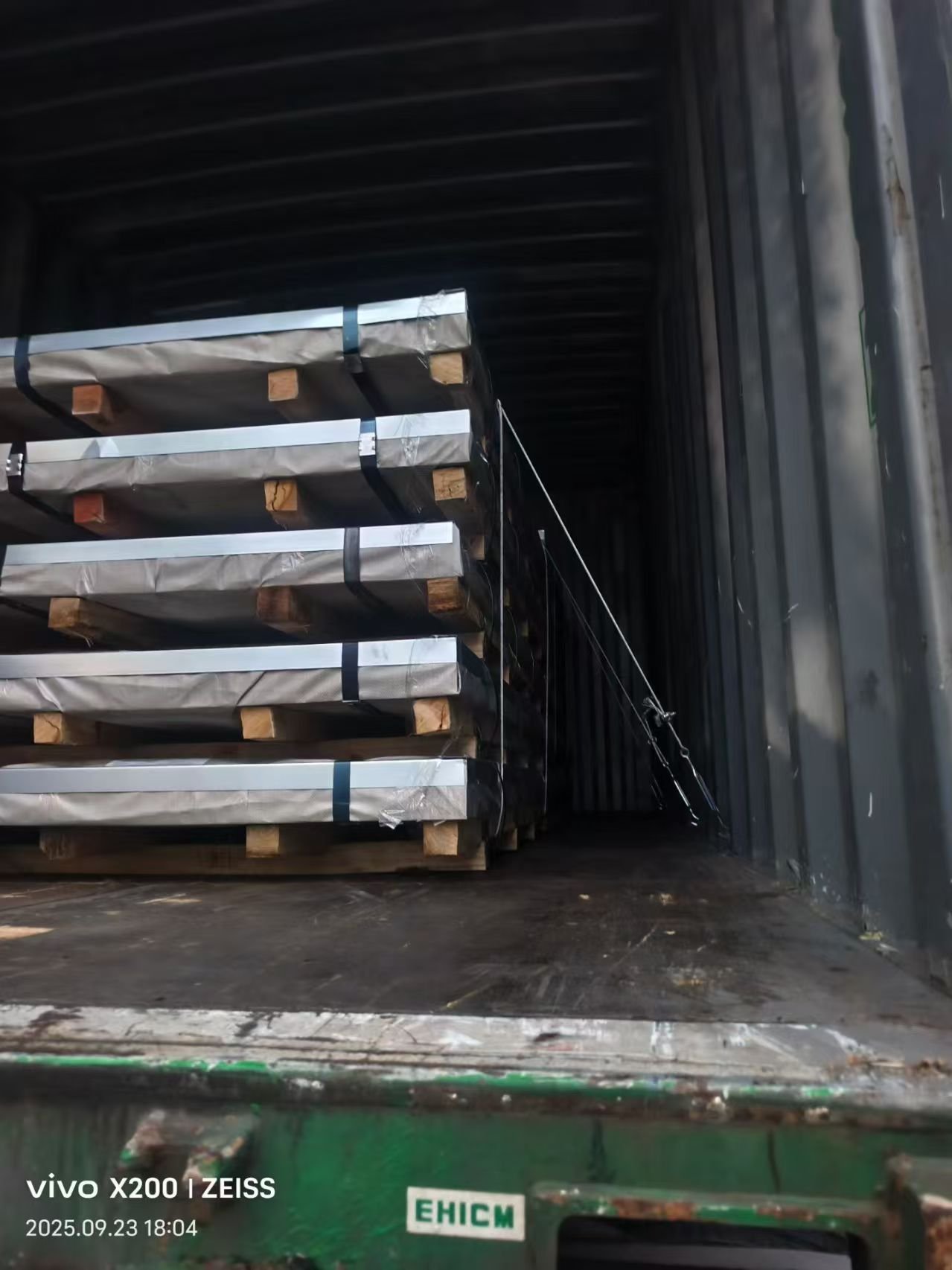
Steel plate export packing should be planned around the material, transport route and receiving equipment. The phrase standard export packing does not explain package weight, moisture protection, identification or unloading restrictions. Those missing details can create difficulties even when the plate itself meets the order. This QIDAMT information checklist helps buyers prepare the requirements that need confirmation before dispatch. It is a framework for discussing a shipment, not a claim that one packing arrangement is suitable for every product or destination.
Start with the material and delivery form
Provide the grade, product standard, Abmessungen, quantity and surface condition. Identify whether the shipment contains individual heavy plates, stacks of thin sheets or processed pieces. A packing arrangement should support the actual product and protect the characteristics that matter to the customer. Describe visible or finished surfaces, fragile edges and any restrictions on direct contact with packing materials.
Explain whether the receiving team will use the material as complete plates or distribute pieces to several jobs. This affects how identification and package grouping should be discussed. Where different grades or thicknesses are ordered together, request clear separation and marking. Avoid relying on visual differences to distinguish material after it has been unloaded and the original package has been opened.
Confirm the transport route and handling stages
State the delivery destination and the agreed commercial delivery terms. Describe known transfer points, temporary storage and the final unloading arrangement. A shipment that moves directly into a suitable warehouse may have different packing needs from one that will be handled repeatedly or stored before use. Raise those conditions while the quotation can still account for them.
Ask the relevant transport and logistics specialists to review package dimensions and weights against the route. Container selection, loading arrangements and cargo securing should be determined by competent parties using the actual load information. A product photograph or a previous shipment should not be used as the only basis for those decisions. Record the final responsibilities so that no handling stage is left undefined.
State package weight and access restrictions
Provide the maximum package weight the customer’s equipment can handle, along with any dimensional or access limits. Distinguish the weight of each package from the total shipment weight. Ask for confirmation of the proposed grouping before dispatch. A receiving site may be able to accept the total quantity but still be unable to unload one oversized or excessively heavy package.
Explain any requirement for forklift access, lifting points or other handling interfaces. The receiving team should review these details with its competent lifting personnel. Do not add an improvised lifting instruction to a purchase order without the necessary assessment. The practical purchasing task is to communicate the restrictions and obtain a suitable confirmed arrangement before the material is packed.
Agree moisture and surface protection
Discuss the likely exposure during transport and storage, including rain, condensation and contact with contaminants. Ask the supplier to describe the proposed wrapping and separation materials. Protection should match the material and its subsequent process. Rostfrei, carbon steel, coated products and decorative finishes may require different discussions, so avoid using one general instruction for every item in a mixed order.
If temporary oils, films or other treatments are proposed, confirm their compatibility with painting, Schweißen, cleaning or the intended use. Ask for removal and storage instructions where necessary. Additional wrapping does not automatically solve every moisture risk, particularly when the receiving conditions are not controlled. Make sure the customer can maintain the required protection after delivery rather than only during the overseas leg.
Define edge protection and package construction
Identify edges, corners or finished features that need particular protection. State whether interleaving or protection of a designated face is required. Ask how the package will remain stable through the agreed handling stages. These should be confirmed requirements rather than assumptions based on the appearance of a sample pack.
Where timber or another regulated packing material is used, ask the logistics provider to verify the destination’s applicable requirements and documentation. Do not assume that one treatment or mark is sufficient for every jurisdiction or route. Arrange this review before dispatch, when changes are easier to make. Keep the confirmed packing requirements with the shipment documents so that the receiving and clearance teams can locate them.
Agree labels and document matching
Request package references that match the packing list and material records. Identify the information required on each label, such as grade, Abmessungen, piece count and weights. Where heat traceability is needed, agree how the material reference will be preserved after cutting or repacking. Labels should remain useful through the expected route and be positioned where they can be read during normal receiving inspection.
Check the relationship between package references, commercial documents and inspection certificates before shipment. A small naming difference can create confusion when several similar packs arrive together. Ask for a draft packing list when the order is complex. Resolve discrepancies while the material is still accessible rather than after packages have been separated among warehouses or production jobs.
Specify the records needed at dispatch
If photographs are required, state what they should show. Useful views may include package identification, the overall packed goods and relevant protection details. Photographs support communication but do not replace measurements, inspection reports or the cargo-securing assessment. Agree whether the customer needs the records before dispatch or only with the shipment documents.
At arrival, record the unopened condition and compare labels and quantities with the packing list. Photograph visible damage before unpacking changes the evidence. Keep affected items identifiable and follow the agreed reporting process. Clear records help distinguish a product specification question from damage associated with handling, transport or later storage.
Send a complete packing enquiry
Provide QIDAMT with the plate specification, quantity, destination, handling limits, package weight restrictions and surface-protection requirements. Add identification, documentation and photograph requirements where they matter. Ask the quotation to confirm the proposed arrangement and any additional cost. Contact sales@qidamt.com or WhatsApp +86 139 6951 8618. Unser mill test certificate guide explains related traceability considerations. Packing details, delivery dates and logistics arrangements should be confirmed for the individual order before dispatch.