 ПРАГРЭС
What Is Pickled and Oiled Steel? HRPO Sheet Properties, Gauge and Applications
What Is Pickled and Oiled Steel? HRPO Sheet Properties, Gauge and Applications
Pickled and oiled steel — often called HRPO (Hot Rolled Pickled and Oiled) — is one of the most common starting materials for industrial fabrication, yet it is frequently confused with ordinary hot-rolled black sheet. This guide explains what the pickling and oiling process actually does, why buyers specify it, which gauges are most used, and how it compares to plain hot-rolled and cold-rolled sheet.
The HRPO Process in Two Steps
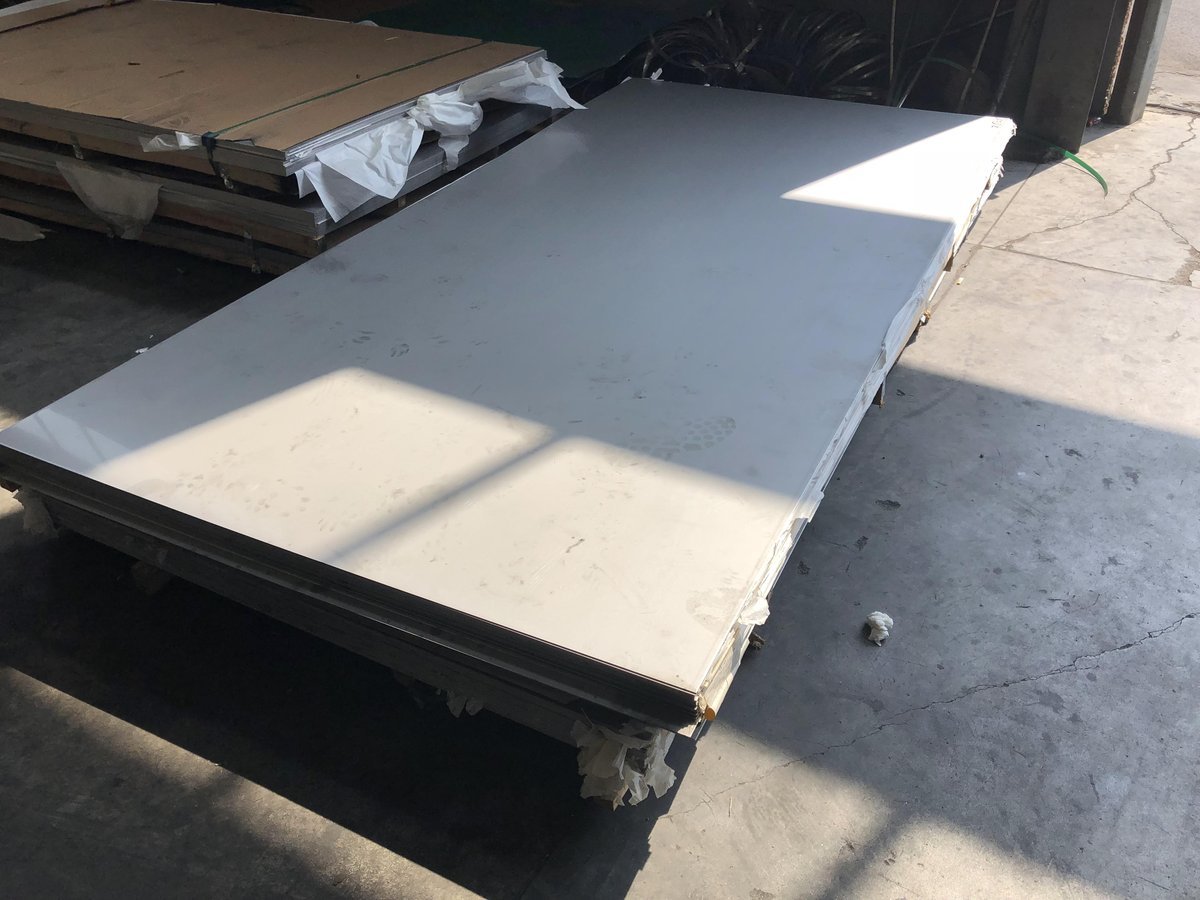
Hot-rolled steel exits the mill at high temperature and coiled with a dark iron oxide scale on the surface. Pickling passes the coil through a hydrochloric (or sulfuric) acid bath that dissolves the scale, exposing a clean, matte grey steel surface. An oil film is then applied immediately to prevent flash rust during storage and transport. The result is a uniform, scale-free, ready-to-fabricate surface that does not require shot blasting or grinding before welding, painting or forming. Наш Плоскі брусок з вугляродзістай сталі Q235B і Q345D structural steel are supplied from the same pickled and oiled base material.
Why Buyers Specify HRPO Instead of Black Hot-Rolled
Plain hot-rolled sheet is cheaper per tonne, but the mill scale causes three practical problems. Першы, scale spalls during welding and plasma cutting, producing poor weld quality and extra cleanup. Second, scale prevents paint and powder coating from adhering — the coating will peel within months. Third, the rough, pitted surface hides surface defects and makes inspection difficult. Pickling removes all of these issues, and the oil film keeps the sheet rust-free in the warehouse for 6 – 12 months without further treatment. For most structural fabrication, automotive repair parts, chassis and equipment enclosures, the small price premium for HRPO saves far more in downstream preparation time.
Common Gauges and Dimensions
| Таўшчыня (мм) | Звычайнае выкарыстанне | Stock condition |
|---|---|---|
| 1.5 – 2.5 | Sheet metal parts, ахоўнікаў, panels | HRPO, змазаны алеем |
| 3.0 – 6.0 | Chassis, дужкі, базы | HRPO, змазаны алеем |
| 8.0 – 12.0 | Heavy plates, апорныя пліты | HRPO or hot-rolled |
| 14 – 50 | Heavy structural plate | Usually black HR |
Standard sheet size is 1500 × 6000 мм або 1800 × 6000 мм, with coils available from 1.5 мм да 6.0 mm for roll-forming lines. Width tolerance is typically ±2 mm and thickness tolerance follows GB/T 709 or ASTM A6.
HRPO vs Cold-Rolled: Which to Choose
Cold-rolled sheet is produced by further rolling HRPO at room temperature, giving a much smoother, brighter surface and tighter thickness tolerance (±0.05 mm versus ±0.2 mm for HRPO). It costs about 30 – 50 % more and is used for furniture, прыборы, automotive body panels and anything that needs a polished or painted finish. HRPO is the right choice when you need a structural plate that welds easily, takes paint well, and does not require cosmetic surface quality. For non-structural decorative parts, бачыць наш cold-rolled steel coil.
Handling and Storage
The oil film is the only rust protection HRPO has. Once it is wiped off, scratched or soaked in rain, flash rust appears within days. Store sheets indoors, off the floor, and keep the original oil intact until fabrication. Wipe the surface with solvent before painting or welding, then re-oil or repaint the cut edges immediately. If you need long-term outdoor storage, galvanized or pre-painted products are the better choice.
For small production runs or prototype work, we supply HRPO sheet cut to your exact dimensions with mill certificates, so you can skip the slitting line and go straight to fabrication.